

Cyber Thieves Steal Millions in Freight Before Trucks Even Arrive
FBI task force reveals how criminals use cyber schemes to target $1m+ shipments before pickup.
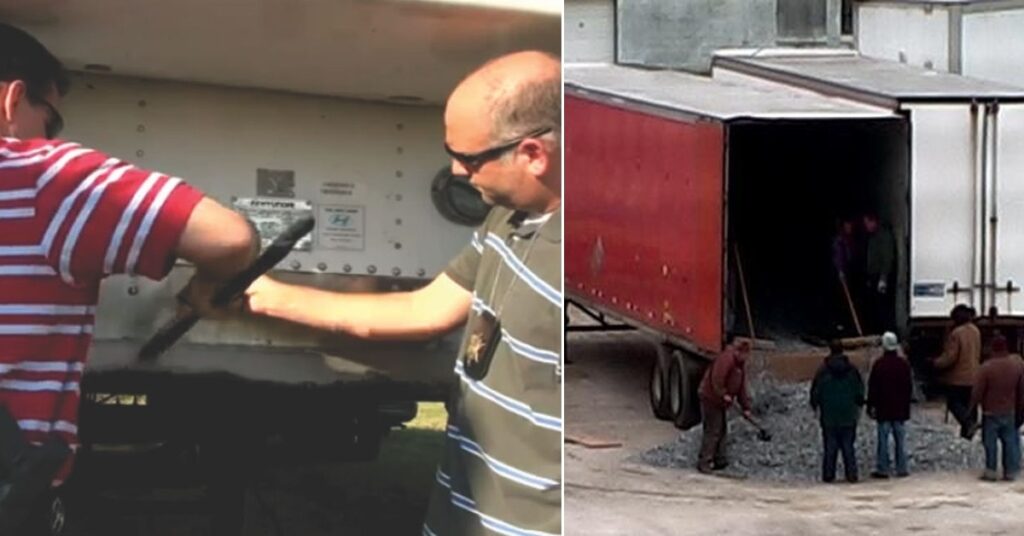
Criminals are now stealing millions of dollars in freight before trucks even arrive at shipping docks, the FBI’s Memphis Cargo Theft Task Force has warned.
What once involved opportunistic thefts from warehouses or tractor-trailers now begins with digital intrusions and social engineering. Jeremy Baker, Assistant Special Agent in Charge of the FBI’s Nashville Memphis Resident Agency, oversees the task force’s work and has witnessed this evolution firsthand.
“They know exactly what they’re picking up,” Baker told FreightWaves. “Through cyber-enabled means, the theft has been done even before that truck arrives. All they have to do is have the truck arrive.” The result?
The Memphis Cargo Theft Task Force was originally established as the Auto Cargo Theft Task Force, focusing primarily on vehicle-related crimes. Around 2008, its mission narrowed, and the unit dropped the “auto” designation, allowing the Memphis Police Department to continue vehicle investigations through its own unit.
Today, the task force operates as a collaborative effort, with FBI agents working alongside officers from the Memphis Police Department and deputies from the Shelby County Sheriff’s Office. It also coordinates with federal, state, and local partners to tackle the growing threat of cargo theft. However, the methods used by criminals have changed significantly over the years.
In the past, cargo theft was often a crime of opportunity. But technology has shifted the landscape entirely.
“Earlier investigations often involved crimes of opportunity,” Baker explained. “Thieves might encounter televisions, shoes, or another valuable commodity. Physical access often determined what criminals took. Technology has changed that model.”
Now, criminals use computer intrusions and social engineering to gather intelligence on shipments before they even reach the dock. By exploiting vulnerabilities in digital systems, thieves can identify specific high-value freight and plan their thefts with precision. This allows them to impersonate legitimate carriers, making fraudulent pickups appear routine.
“They’ve already duped everybody. The company who is releasing the goods thinks the legitimate company has shown up. But they’re just disguised as that carrier.”
Jeremy Baker·Assistant Special Agent in Charge, FBI Nashville Memphis Resident Agency
Baker, who has a background in cybersecurity, compares these cargo theft schemes to attacks on organizations with weak digital defenses. Criminals target businesses where poor controls create opportunities, and the transportation industry has become a prime target. “Bad guys are savvy to this,” he said. “They’re going to go to where they can get the quick wins.”
Weak links in the freight chain, and how to fix them
The vulnerabilities in the freight industry extend beyond physical security. According to Baker, the process often breaks down between brokers, carriers, and shipping facilities. Each party may assume another has completed the necessary checks, creating gaps that criminals exploit through impersonation or compromised information.
By the time the deception is discovered, the cargo is already gone.
But the damage isn’t just financial, it disrupts supply chains, delays deliveries, and erodes trust in the freight industry.
Baker emphasized that training and verification are critical to preventing these crimes. Phishing campaigns conducted by the task force have shown that awareness can drastically reduce risks. While 60% of employees initially click on suspicious test phishing messages, that number drops to just 2% after continued education. “A lot of what we’re talking about is changing the culture of some of these organizations,” Baker said. “The bottom line behind it is, of course, there’s a ton of data. But it’s really verify, verify, verify.”
The National Motor Freight Traffic Association has also partnered with the task force to raise cybersecurity awareness within the industry. Their efforts highlight the need for stronger digital defenses, including multi-factor authentication, regular security audits, and employee training programs.
For businesses involved in freight and logistics, the message is clear: cybersecurity must become a priority. Criminals are no longer relying on brute force or opportunistic theft, they’re using sophisticated cyber schemes to target shipments before they even leave the dock. Without robust digital defenses, companies risk losing millions in cargo, along with their reputation and customer trust.
The FBI’s Memphis Cargo Theft Task Force continues to investigate these crimes, but the battle is far from over. As criminals adapt and refine their methods, the freight industry must stay one step ahead. For now, the task force’s advice is simple: verify every detail, educate employees, and treat cybersecurity as seriously as physical security. The future of freight depends on it.


Sign up free to ask CAMAL AI for a summary, the key points or anything else about this story.
Related stories
CAMAL AI
 Financial Ports Newsletter
The maritime economy, every morning
Ports, shipping and freight markets in one short email. Free.
Financial Ports Newsletter
The maritime economy, every morning
Ports, shipping and freight markets in one short email. Free.