

P&I Clubs Eye 7.5% Premium Hike Despite $6.8bn War Chest
Protection and Indemnity clubs face pressure to raise rates by up to 7.5% next year.
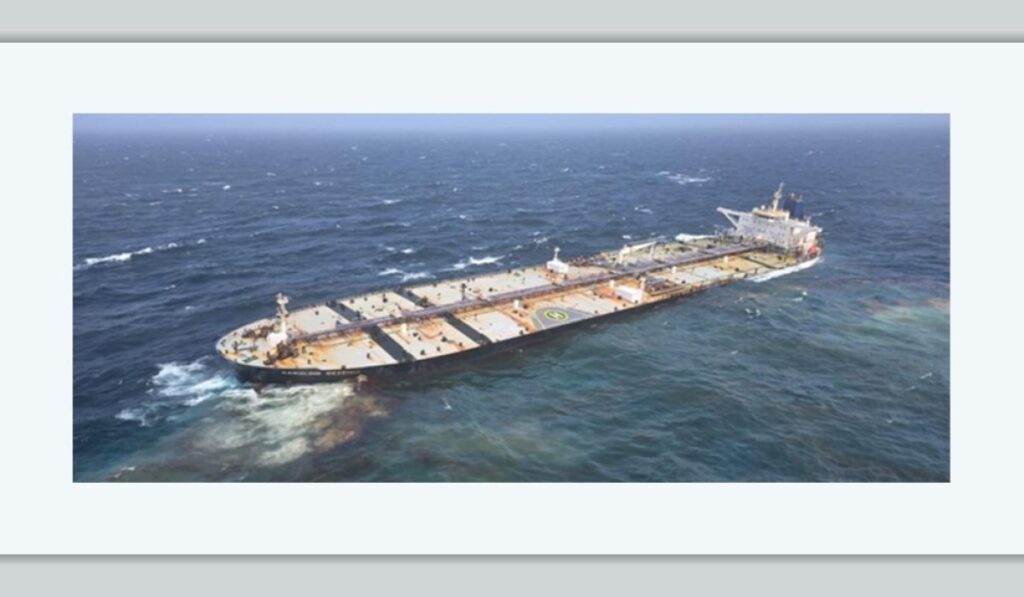
Protection and Indemnity (P&I) clubs are poised to raise premiums by up to 7.5% in the coming year, despite sitting on a collective war chest of $$6.8 billion in free reserves. The move, driven by the rising cost of major casualties and market uncertainty, comes as the International Group (IG) of clubs faces new risks from conflict, sanctions, and the shadow fleet.
The IG, which comprises 12 P&I clubs, is financially robust, with total free reserves standing at $$6.8 billion. Reinsurance and pooling arrangements provide additional layers of protection, capable of covering extreme claims, including casualties on the scale of the Dali allision. However, the brokerage Tysers warns that the clubs may still push for rate increases of up to 7.5% to offset the growing volatility in claims.
“Many still have work to do to achieve a regular combined ratio around 100% against a background of claims volatility and the increasing cost of serious casualties,” Tysers noted in its report. “There are strong arguments that many Clubs are so well-reserved that premium increases are not needed. However, we imagine they will argue they must continue to work to achieve underwriting balance.”
The brokerage expects a repeat of the 5-8% target rate increases seen in 2025 and 2026, citing the need to maintain financial stability in an unpredictable operating environment. New hazards, such as geopolitical conflicts, sanctions, and uninsured risks from the shadow fleet, have added layers of uncertainty to the market, making it harder for clubs to predict future claims.
The Financial Strength Behind the Rate Hikes: Clubs
Despite the push for higher premiums, the P&I clubs are in a strong financial position. Gard, the market leader, holds over 25% of the market share and boasts free reserves exceeding $$1.7 billion. Meanwhile, Japan P&I Club achieved an enviable combined ratio of 70% in the last year, marking its fourth consecutive year of strong earnings.
The clubs’ financial resilience is further bolstered by reinsurance and pooling arrangements, which provide a safety net against catastrophic claims. However, Tysers suggests that the clubs may still opt for rate increases to ensure long-term stability, even if their current reserves suggest otherwise.


Sign up free to ask CAMAL AI for a summary, the key points or anything else about this story.
Related stories
CAMAL AI
 Financial Ports Newsletter
The maritime economy, every morning
Ports, shipping and freight markets in one short email. Free.
Financial Ports Newsletter
The maritime economy, every morning
Ports, shipping and freight markets in one short email. Free.