

Carnival’s Fleet Removes Over 5,000 Pounds of Ocean Waste
377 crew members and 29 ships collected 175 bags of debris across 10 countries in September.
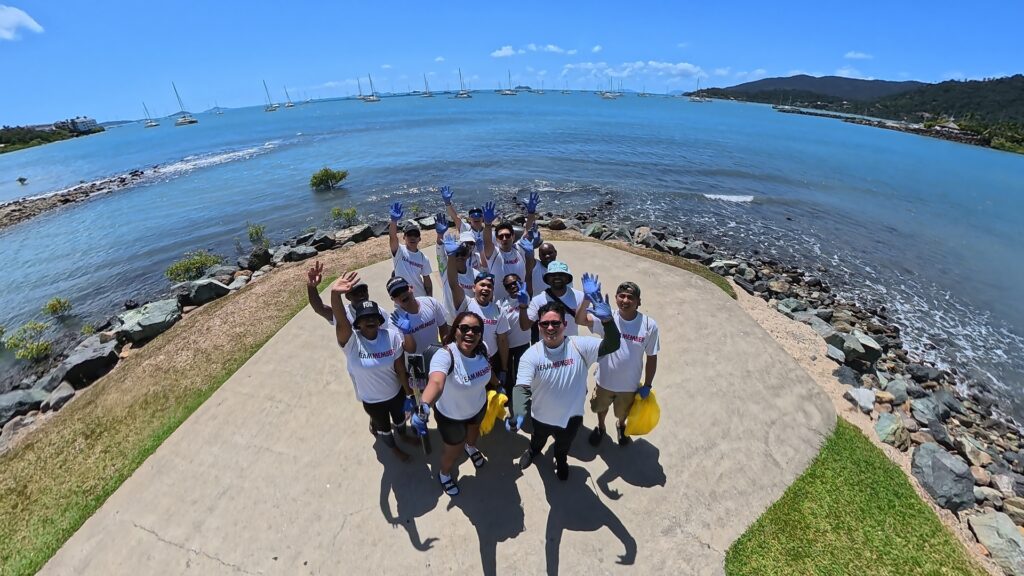
Carnival Cruise Line’s entire fleet has completed a global coastal cleanup initiative, removing more than 5,000 pounds of waste from beaches and waterways in a single month. The effort, timed to coincide with International Coastal Cleanup Day on September 19, mobilised 377 crew members across 29 ships alongside shoreside teams and local partners.
Throughout September, Carnival’s teams conducted 31 cleanups, filling approximately 175 bags with debris. The operation covered major U.S. homeports such as Galveston, Port Canaveral, and Miami, as well as destinations in Alaska, the Caribbean, The Bahamas, Mexico, Greece, France, and Australia. The final vessel to participate, Carnival Glory, wrapped up its cleanup on September 30, ensuring full fleet participation.
Why Carnival’s Cleanup Matters for Coastal Communities
The scale of the operation underscores the cruise line’s broader commitment to ocean health. In 2026 alone, Carnival teams have collected over 7,200 pounds of debris through both shipboard and shoreside efforts. The September initiative builds on year-round cleanup activities, supported by local environmental organisations, port authorities, and community groups.
Carnival
Christine Duffy, president of Carnival Cruise Line, framed the effort as both a privilege and a responsibility.
“We have the privilege of operating on the world’s oceans and visiting some of its most beautiful coastal destinations, and with that privilege comes a responsibility to protect them. This effort demonstrates what is possible when our people and partners come together around a common goal, taking meaningful action to protect the oceans and destinations we proudly visit.”
Christine Duffy·President of Carnival Cruise Line
The cleanup aligns with Carnival’s Our Sea Pledge program, which targets five key areas: Climate Action, Circular Economy, Sustainable Tourism, Biodiversity & Conservation, and Good Health, Inclusion & Belonging. These pillars guide the company’s environmental and community impact strategies, from reducing emissions to promoting responsible tourism.
From Waste to Action: How Carnival’s Teams Tackled Coastal Pollution
The logistical challenge of coordinating cleanups across 10 countries required precise planning. Each ship’s crew worked with local partners to identify high-impact sites, from tourist-heavy beaches in the Caribbean to remote waterways in Alaska. The 111 shoreside team members provided critical support, ensuring continuity between port visits and community engagement.
The collected waste, ranging from plastic bottles to discarded fishing gear, highlights the persistent threat of marine debris. Studies estimate that 8 millionlion tonnes of plastic enter the ocean annually, a crisis that initiatives like Carnival’s aim to mitigate. While corporate sustainability programs often face scrutiny, the tangible results of this campaign, measured in pounds of waste removed, offer a concrete example of industry-led conservation.
Looking ahead, Carnival plans to expand its cleanup efforts, integrating them into routine operations. The company’s focus on biodiversity and conservation also includes partnerships with marine research institutions, though specifics remain under development. For coastal communities, the benefits extend beyond cleaner shores: reduced pollution supports local fisheries, tourism, and public health.
The success of this initiative raises a critical question: can other maritime operators replicate Carnival’s model at scale? With cruise lines under increasing pressure to adopt sustainable practices, the answer may shape the future of global shipping. For now, the 5,000 pounds of debris removed serve as a reminder of the industry’s dual role, as both a steward and a potential threat to the oceans it relies on.


Sign up free to ask CAMAL AI for a summary, the key points or anything else about this story.
Related stories
CAMAL AI
 Financial Ports Newsletter
The maritime economy, every morning
Ports, shipping and freight markets in one short email. Free.
Financial Ports Newsletter
The maritime economy, every morning
Ports, shipping and freight markets in one short email. Free.



