

Black Sea Drone War: Cook Survives First Strike, Dies in Rescue Ship Attack
A 47-year-old Turkish ship’s cook survived a drone strike on his freighter.
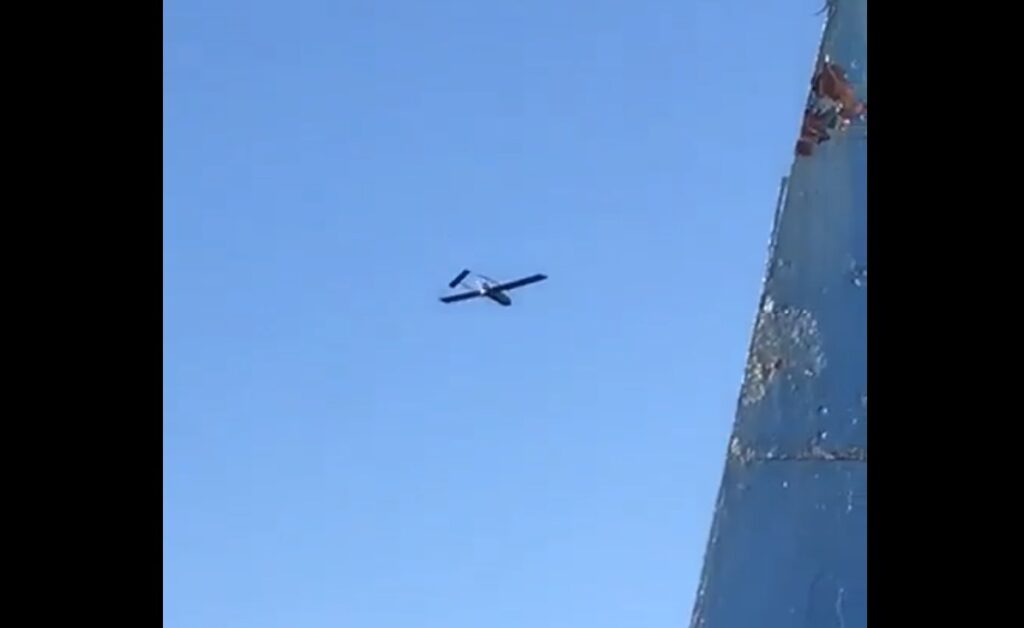
A Ukrainian drone strike on a Turkish cargo ship in the Black Sea has killed a cook who had just been rescued from another vessel targeted days earlier.
The victim, Ilker Lazoglu, 47, was the head cook aboard the Necibe, a Turkish-owned freighter flagged in San Marino. On August 18, the Necibe came under attack while loading wheat off Tuapse, prompting its 18 crew members to abandon ship safely. They were rescued by the Ural, another Turkish-owned vessel, which remained in the area.
From Rescue to Tragedy: The Second Attack
Three days later, on August 21, the Ural itself was struck by Ukrainian drones. This time, the crew was not as fortunate. Eight crew members were injured, and Lazoglu, who had been transferred to the Ural after the first attack, was killed. His uncle, Faruk Lazoglu, recounted the harrowing sequence of events in an interview with Turkish outlet Cumhuriyet.
“He called me when the ship [Necibe] was bombed. He said he was alive and that I shouldn’t worry. He said that another ship would come soon to rescue him and that he would transfer to that ship [Ural].”
Faruk Lazoglu·Uncle of the victim
Faruk Lazoglu later received a call from a company official informing him that the Ural had also been attacked. His nephew had been seriously wounded and died before medical assistance could reach him. Lazoglu leaves behind two young daughters.
The Black Sea: A War Zone for Commercial Shipping
Ukraine has repeatedly warned shipping interests to avoid Russia’s Black Sea ports, citing the inherent risks of operating in a war zone. Naryman Dzhelialov, Ukraine’s Ambassador to Ankara, addressed the issue in an interview with Turkish outlet Yetkin Report.
“Our aim is not to kill civilians; civilians are not our target. Unfortunately, they are victims of war. Before Russia attacked Ukraine, the Black Sea was a zone of peace. The Black Sea is not a safe place. Shipowners need to take this into account as well.”
Naryman Dzhelialov·Ukrainian Ambassador to Ankara
The Necibe (IMO 9548732) and Ural (IMO 7725386) are both Turkish-owned vessels, but they sail under different flags, San Marino and Cameroon, respectively.
Turkey has sought to maintain a delicate balance in the conflict, providing humanitarian aid to Ukraine while also engaging in trade with Russia. This balancing act has left Turkish vessels exposed to attacks from both sides. The Ural’s return to Turkey marks the end of a tragic chapter, but the broader implications for Black Sea shipping remain uncertain.
Ukraine’s drone capabilities have evolved significantly since the start of the war, allowing it to project power far beyond the front lines. Drones are now a key component of Ukraine’s strategy to disrupt Russian logistics and weaken its war effort. However, the use of drones in maritime attacks raises complex legal and ethical questions, particularly when civilian vessels are caught in the crossfire.
The death of Ilker Lazoglu serves as a stark reminder of the human cost of war. As the conflict in Ukraine shows no signs of abating, the Black Sea is likely to remain a dangerous place for commercial shipping. Shipowners, insurers, and crews will need to weigh the risks carefully before venturing into the region, while governments and international organisations must work to establish clearer rules of engagement to protect civilian lives.
The Ural is expected to undergo repairs before returning to service, but the psychological toll on its crew may be harder to mend. For the families of those killed or injured in the attack, the road to recovery will be long and painful. As the maritime industry grapples with the fallout from this latest incident, one thing is clear: the Black Sea is no longer a safe passage for commercial vessels.


Sign up free to ask CAMAL AI for a summary, the key points or anything else about this story.
Related stories
CAMAL AI
 Financial Ports Newsletter
The maritime economy, every morning
Ports, shipping and freight markets in one short email. Free.
Financial Ports Newsletter
The maritime economy, every morning
Ports, shipping and freight markets in one short email. Free.