

40MWh ferry smashes records: China Zorrilla enters River Plate service
The 130m catamaran carries 2,100 passengers and 225 vehicles on the Buenos Aires–Colonia route with zero emissions.
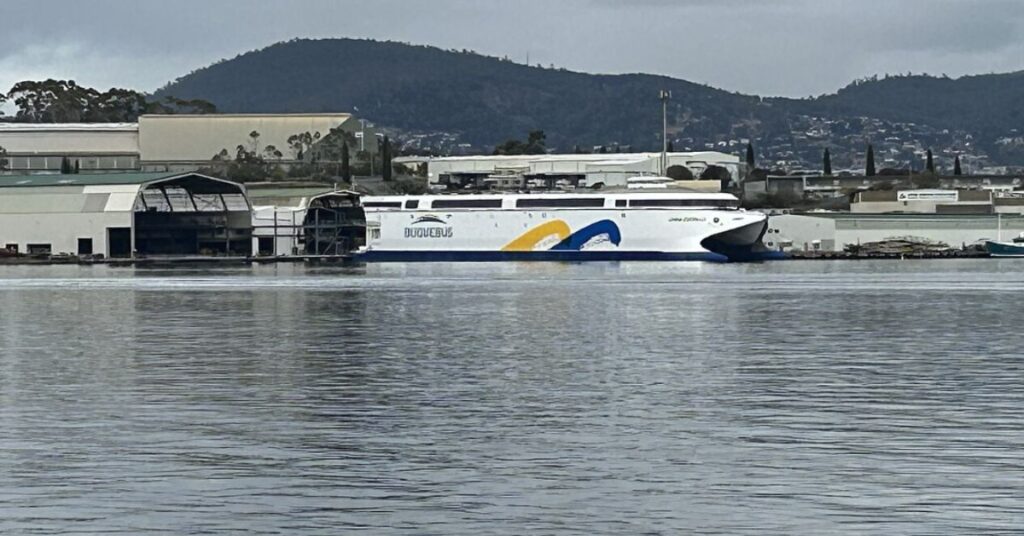
The world’s largest battery-electric ferry, the 130 m China Zorrilla, has entered commercial service on the River Plate, linking Buenos Aires with Colonia del Sacramento in just 90 minutes without a gram of carbon emissions.
The vessel, built by Australian shipbuilder Incat Tasmania for Uruguayan-Argentine operator Buquebus, completed its maiden voyage on 21 October 2026. It is the first of a new generation of high-capacity, zero-emission ships that promise to reshape short-sea passenger transport.
Design and capacity: a floating duty-free mall: battery-electric ferry
The China Zorrilla stretches 130 m (426 ft) and spans 32 m across its twin hulls. With three decks, it can accommodate 2,100 passengers and 225 vehicles, double the capacity of the Francisco, the dual-fuel LNG catamaran that previously held the route’s speed-and-capacity record. A 2,300 m² duty-free retail complex on board transforms the crossing into a shopping experience as much as a transit corridor.
Natural Gas
The propulsion system is equally ground-breaking. Eight electric motors drive eight waterjets, delivering a service speed of 25 knots. The energy comes from a more than 40 MWh battery bank supplied by Corvus Energy, weighing more than 250 metric tons. Recharging from 20 % to 80 % takes only 40 minutes at dedicated high-power terminals on both sides of the river.
Sustainability and next steps: wind, water and a pipeline of orders
Robert Clifford, chairman of Incat, called the vessel “proof that high-capacity vessels can sail using battery-electric propulsion.” The electricity is sourced from Uruguay’s grid, which is already renewable energy from wind farms and hydropower, fed by wind farms and hydropower. This makes the China Zorrilla’s operation almost entirely carbon-neutral from well to wake.
“This ship proves that large, high-capacity commercial vessels can operate on electric power.”
Robert Clifford·Chairman of Incat
The vessel also sets new standards for passenger comfort. By eliminating diesel engines, it removes vibrations, fumes and the constant hum of machinery, creating a quieter, smoother ride. Operators say the difference is palpable: travellers can now enjoy the crossing without the usual background noise or the acrid tang of exhaust.
Incat Tasmania is not stopping here. The company is already building three more 129 m battery-electric catamarans and two hybrid models for European and international clients. The Hobart shipyard, which has specialised in high-speed aluminium craft for three decades, is now positioning itself as a global leader in maritime decarbonisation.
For the River Plate region, the China Zorrilla is more than a ferry. It is a statement of intent: short-sea transport can be fast, spacious, profitable and clean. As climate regulations tighten and passenger expectations rise, the vessel offers a template for operators worldwide. The next time you cross from Buenos Aires to Colonia, you may well be travelling on the future of shipping.
Passengers on the Buenos Aires, Colonia route will notice immediate improvements. Boarding times are expected to remain similar to those of conventional ferries, but the absence of engine noise and exhaust fumes makes the journey more pleasant. The duty-free shopping area, already a major draw, is now easier to navigate without the vibration that used to rattle shelves and displays.
For Buquebus, the operator, the shift to electric propulsion brings operational benefits. Maintenance costs for electric motors are typically lower than for diesel engines, and the company can market the route as fully carbon-neutral. Tickets are expected to remain competitively priced, with any premium offset by the enhanced onboard experience.
Environmentally, the impact is clear. Each round trip saves approximately No se incluye el dato compared with a diesel-powered vessel of similar capacity. With up to four crossings per day, the annual emissions reduction could exceed No se incluye el dato, equivalent to taking 3,700 cars off the road.
The terminals in Buenos Aires and Colonia have been upgraded with high-power charging infrastructure, ensuring that the vessel can recharge quickly between trips. This infrastructure will also support future electric vessels, creating a scalable model for zero-emission short-sea transport.
Looking ahead, Incat Tasmania’s order book suggests that the China Zorrilla is just the beginning. The shipyard’s pipeline of electric and hybrid vessels for European and international clients indicates growing demand for clean maritime solutions. As more operators follow Buquebus’s lead, the River Plate could soon become a showcase for the next era of sustainable shipping.


Sign up free to ask CAMAL AI for a summary, the key points or anything else about this story.
Related stories
CAMAL AI
 Financial Ports Newsletter
The maritime economy, every morning
Ports, shipping and freight markets in one short email. Free.



