

Japan Grounds Three Tokai Kisen Ships After 13 Safety Violations
Tokyo ministry halts ferry and jetfoil services for 20 days following decades of alcohol abuse and operational lapses.
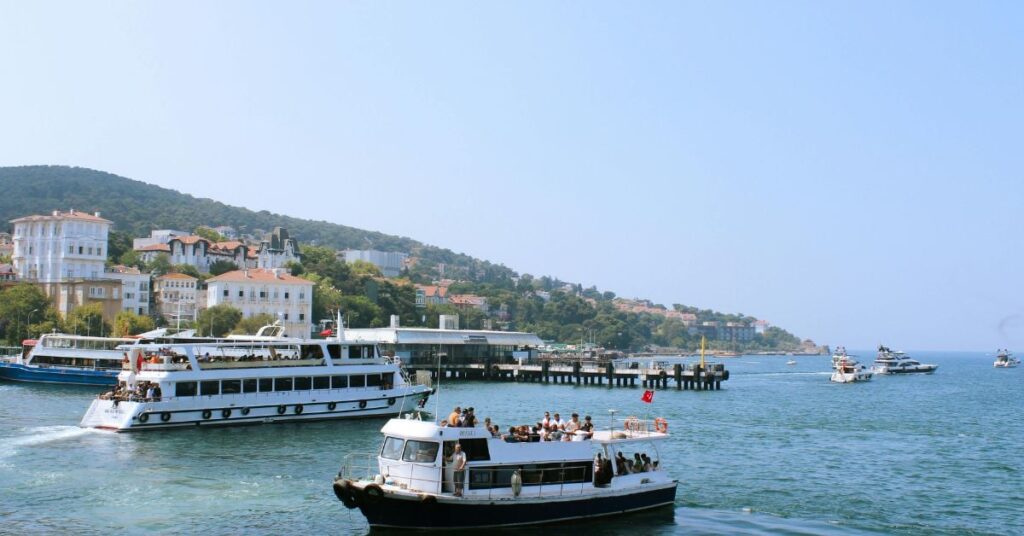
Japan has issued its first-ever 20-day ship suspension order to Tokai Kisen Co., grounding three passenger vessels after a six-month inspection uncovered 13 maritime law violations, including a three-decade tradition of crew members operating ferries while intoxicated.
The Ministry of Land, Infrastructure, Transport and Tourism (MLIT) confirmed the suspension will affect the Tachubanu Maru ferry and two jetfoils, Seven Island Tomo and Seven Island Yui, from October 9 to October 28, 2026. The decision follows a thorough investigation between January and June 2026, which exposed systemic failures in the company’s safety protocols.
The MLIT’s findings paint a damning picture of Tokai Kisen’s operations. The company’s internal monitoring systems were deemed “ineffective”, and senior management, including President Junichi Yamazaki, were aware of the tradition but failed to intervene.
The Ministry of Land, Infrastructure, Transport and Tourism (MLIT) enforces these rules through regular inspections and administrative penalties.
April 2026, a crew member on a jetfoil avoided an alcohol test by having another employee take it in his place. Further violations emerged in July, when additional cases of intoxicated crew members on duty were documented. Operational negligence extended beyond alcohol, with ships recorded sailing with unlocked gangways, a critical safety hazard for passengers.
Kanto District Transport Bureau Bureau dismissed the company’s safety management officer in August 2026, citing a “failure to uphold maritime safety standards". The current suspension marks the most severe penalty yet, reflecting the severity of the violations uncovered. The bureau’s decision to dismiss the safety officer underscores the regulatory expectation that companies prioritise compliance over operational convenience.
Tokai Kisen’s history of administrative penalties raises concerns about its corporate governance. The company has been subject to increasing scrutiny since December 2024, when the MLIT issued its first warning. Despite this, systemic issues persisted, culminating in the current suspension.
Impact on Passengers and the Tokyo-Izu Islands Route: ship suspension order
The suspension of the three vessels will disrupt ferry services between Tokyo and the Izu Islands, a vital transport link for residents and tourists. To mitigate the impact, Tokai Kisen has diverted other ships to cover the routes, including the Salvia Maru ferry, the jet ship Seven Island Tairyo, and chartered vessels Kuroship Maru and Ogasawara Maru. The Izu Islands, a chain of volcanic islands south of Tokyo, rely heavily on ferry services for the movement of goods, medical supplies, and passengers.
Transport Minister Tatsunori Ibayashi addressed the media, stating: The MLIT could have suspended Tokai Kisen’s entire fleet but opted to ground only three ships to “minimise inconvenience to island communities". The ministry’s decision to limit the suspension to three vessels reflects a balancing act between enforcing regulatory standards and mitigating the economic impact on local communities.
For residents of the Izu Islands, the suspension poses significant challenges. The islands depend on ferry services not only for passenger transport but also for the delivery of essential goods, including food, medical supplies, and construction materials. Schools, hospitals, and businesses may face delays in receiving critical shipments, while tourists could experience longer wait times or cancelled trips.
Tokai Kisen has advised passengers to check updated schedules on its official website or contact local ferry terminals for real-time information. The company has also set up a dedicated hotline to assist passengers with rebooking and alternative travel arrangements.
Tokai Kisen’s largest shareholder, Fujita Kanko Inc. (18.04%), and its parent company, DOWA DOWA Holdings Co., Ltd.., Ltd. (6.83%), have yet to comment on the suspension. Other major shareholders include Tokyo Kisen Co., Ltd. (3.45%), Mizuho Bank, Ltd. (2.39%), and The Master Trust Bank of Japan, Ltd. (2.32%).
The financial implications of the suspension remain unclear, but industry analysts warn of potential reputational damage to Japan’s maritime sector. Fujita Kanko, a major player in Japan’s hospitality and tourism industry, holds a significant stake in Tokai Kisen, raising questions about its oversight of the company’s operations. DOWA Holdings, formerly known as Dowa Mining, has diversified into environmental services and recycling, but its association with Tokai Kisen could attract scrutiny from investors and regulators alike.
The suspension raises broader questions about safety standards in Japan’s passenger shipping industry. While Tokai Kisen is the first company to face such a penalty, the MLIT’s investigation suggests that “complacency in safety culture” may be more widespread. The ministry has indicated it will conduct further inspections of other operators in the coming months, signalling a potential crackdown on lax safety practices across the sector. The MLIT’s proactive stance may prompt other maritime companies to review their own safety protocols to avoid similar penalties.
For passengers planning travel to the Izu Islands, Tokai Kisen has advised checking updated schedules on its official website or contacting local ferry terminals for real-time information. The company has also pledged to implement stricter safety measures, including random alcohol testing and enhanced crew training, though critics argue these steps come too late.
Passengers are encouraged to monitor official announcements and consider alternative travel options, such as flights to nearby airports or private charter services, to avoid disruptions. The suspension period will conclude on October 28, 2026, but the long-term impact on Tokai Kisen’s operations, and Japan’s maritime safety regulations, may linger far longer.
The MLIT’s decision to suspend Tokai Kisen’s vessels underscores the importance of robust safety protocols in the maritime industry. The case serves as a cautionary tale for other operators, highlighting the consequences of neglecting regulatory standards.
As Japan prepares for increased maritime traffic ahead of the 2025 World Expo in Osaka, the MLIT’s enforcement actions may set a new benchmark for safety compliance. The ministry’s focus on accountability could also drive improvements in training programmes and corporate governance across the sector, ensuring that passenger safety remains a top priority.
In the wake of the suspension, industry stakeholders are calling for greater transparency in maritime operations. The MLIT has urged Tokai Kisen to provide regular updates on its safety reforms and to engage with local communities to rebuild trust. For passengers and residents of the Izu Islands, the coming weeks will be a test of the company’s ability to restore confidence in its services. The suspension may also prompt a broader discussion about the need for stricter oversight of Japan’s ferry operators, particularly those serving remote island communities.


Sign up free to ask CAMAL AI for a summary, the key points or anything else about this story.
Related stories
CAMAL AI
 Financial Ports Newsletter
The maritime economy, every morning
Ports, shipping and freight markets in one short email. Free.
Financial Ports Newsletter
The maritime economy, every morning
Ports, shipping and freight markets in one short email. Free.



