

$12.8m LNG deal sparks Mozambique’s $30bn gas gamble
Saipem and Jan De Nul sign €11m letter of intent for ExxonMobil’s Rovuma LNG Phase 1 development in Mozambique.
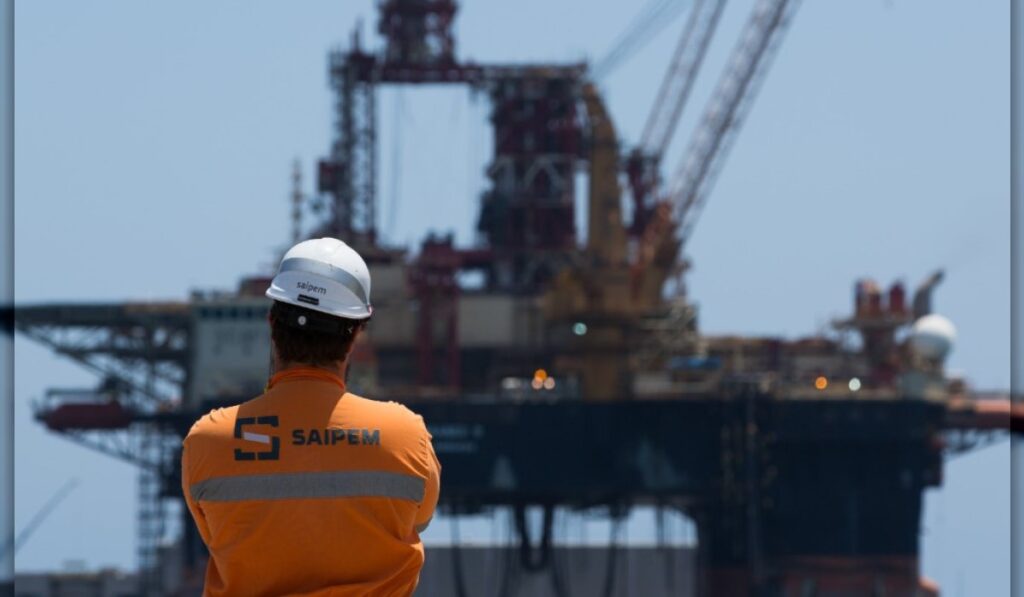
Saipem and Jan De Nul have secured a critical foothold in ExxonMobil’s $30bn Rovuma LNG project, signing a €11m ($12.8m) letter of intent to advance offshore gas facilities in Mozambique. The deal, announced on 11 September, marks a pivotal step for the consortium as it vies for the full engineering, procurement, construction, and installation (EPCI) contract, expected to be awarded 2026.
The preliminary scope, limited to engineering and procurement services, will define the project’s execution strategy for upstream facilities. These include 18 subsea wells, a network of pipelines, and manifolds designed to transport gas from offshore Area 4 to the onshore liquefaction plant. The consortium’s prospective EPCI work would cover gas export pipelines, umbilicals, and infield flowlines in both shallow and deepwater environments.
Why this €11m deal matters for Mozambique’s gas ambitions: rovuma lng project
Rovuma LNG LNG project is one of Africa’s most ambitious energy developments, with a planned capacity of 18.6 million tonneslion tonnes of LNG per year. Standard Bank estimates the venture could inject $11bn annually into Mozambique’s GDP and generate $150bn in government revenue over three decades. However, the final investment decision (FID), slated for 2026, remains contingent on regulatory approvals and partner consensus.
Natural Gas
The project’s significance extends beyond its economic impact. Mozambique’s Rovuma Basin, where Area 4 is located, holds an estimated 85 trillion cubic feet of natural gas, making it one of the largest untapped reserves in the world. This positions the country as a potential major player in the global LNG market, competing with established producers like Qatar and Australia. The development of these reserves could also diversify Mozambique’s economy, which has traditionally relied on agriculture and mining.
ExxonMobil’s unit, ExxonMobil Moçambique Limitada, signed the LOI on behalf of Mozambique Rovuma Venture (MRV), which includes partners ENH, CNPC, ENI, KOGAS, and XRG. The project’s scale is underscored by recent contract awards: over $1.3bn in deals have been secured in the past month alone, including $1.1bn in pre-investment contracts for equipment. These contracts are part of a broader strategy to ensure the project’s readiness ahead of the FID in 2026.
Local content and logistics: The unsung pillars of Rovuma LNG
Saipem and Jan De Nul focus on offshore infrastructure, Mozambican firms are carving out roles in logistics. CFML Logistic, a subsidiary of state-owned railway company Caminhos de Ferro de Moçambique, will manage land and port infrastructure for the project’s logistics base, extending to the Port of Pemba terminal.
The involvement of local firms like CFML Logistic is critical, as it ensures that Mozambique’s infrastructure and workforce are developed in tandem with the project’s progress. This aligns with the government’s broader strategy to maximise local participation in large-scale energy developments.
Alistair Group Mozambique, meanwhile, will provide support operations for drilling campaigns and offshore activities. The company’s role highlights the importance of specialised logistics in ensuring the smooth execution of offshore operations, particularly in remote and challenging environments like the Rovuma Basin. Both CFML Logistic and Alistair Group Mozambique are examples of how local firms are being integrated into the project’s supply chain, fostering skills transfer and economic growth.
Johanna Boothey, ExxonMobil’s country manager for Mozambique, emphasised the project’s local impact:
“The contracts reflect a strong commitment to local content. They should help develop domestic capabilities and support port infrastructure that can serve industries beyond oil and gas.”
Johanna Boothey·ExxonMobil Mozambique country manager
The Port of Pemba, a key hub for the project, is expected to see significant upgrades as part of the logistics infrastructure development. These enhancements will not only support the Rovuma LNG project but also benefit other industries in northern Mozambique, including fisheries and tourism. The port’s strategic location makes it a critical asset for the region’s economic development, and its expansion could attract further investment beyond the energy sector.
The SMDC consortium, comprising Saipem, McDermott, Daewoo Engineering, and China Petroleum Engineering & Construction Corporation, has already secured the engineering contract for the project’s onshore liquefaction facilities. This consortium brings together expertise from multiple regions, ensuring that the project benefits from global best practices while adhering to local requirements. The onshore facilities, which will include 12 liquefaction modules, are designed to process the gas extracted from the offshore wells and prepare it for export.
Rovuma LNG LNG project is poised to reshape Mozambique’s role in the global energy landscape. With a planned production capacity of 18.6 million tonneslion tonnes per year, the project will position the country as a significant LNG exporter, potentially supplying markets in Asia, Europe, and beyond. The timing of the project is particularly noteworthy, as global demand for LNG is expected to grow in the coming decades, driven by the transition away from coal and the need for cleaner energy sources.
For Mozambique, the project offers a unique opportunity to leverage its natural resources for economic development. The estimated $11bn annual addition to the country’s GDP could fund critical infrastructure projects, education, and healthcare initiatives.
However, the project also faces challenges, including regulatory hurdles, security concerns in northern Mozambique, and the need to ensure that local communities benefit from the development. The government has emphasised the importance of transparency and equitable distribution of revenues to avoid the resource curse that has plagued other energy-rich nations.
The final investment decision (FID), expected in 2026, will be a critical milestone for the project. If approved, construction is likely to accelerate, with first production targeted for 2031. The project’s success will depend on the ability of ExxonMobil and its partners to navigate the complex regulatory and logistical challenges while maintaining a strong commitment to local content and sustainable development.
For stakeholders and industry observers, the Rovuma LNG project serves as a case study in how large-scale energy developments can be structured to benefit both international investors and host countries. The involvement of local firms, the emphasis on infrastructure development, and the focus on long-term economic impact set a precedent for future projects in Africa and beyond. As the project progresses, it will be closely watched by governments, investors, and communities alike, all of whom stand to gain, or lose, from its outcome.
For now, the €11m LOI is a modest but symbolic step. If the FID proceeds as planned, the consortium’s role could expand dramatically, positioning Saipem and Jan De Nul as key players in Mozambique’s gas-driven economic transformation. The stakes are high: delays or regulatory hurdles could derail a project that promises to reshape the country’s energy landscape. Industry analysts will be monitoring developments closely, particularly as the 2026 FID deadline approaches.
Those interested in following the project’s progress can refer to official updates from ExxonMobil and the Mozambique Rovuma Venture (MRV) partners, as well as regulatory announcements from the Mozambican government. The Port of Pemba and other key infrastructure developments will also provide insights into the project’s evolving impact on the region.


Sign up free to ask CAMAL AI for a summary, the key points or anything else about this story.
Related stories
CAMAL AI
 Financial Ports Newsletter
The maritime economy, every morning
Ports, shipping and freight markets in one short email. Free.
Financial Ports Newsletter
The maritime economy, every morning
Ports, shipping and freight markets in one short email. Free.