

Mercedes Vans Stranded as Rhine Drought Grounds 135m Cargo Ship
A Dutch-flagged vessel carrying Sprinter vans remains stuck in Düsseldorf’s harbour.
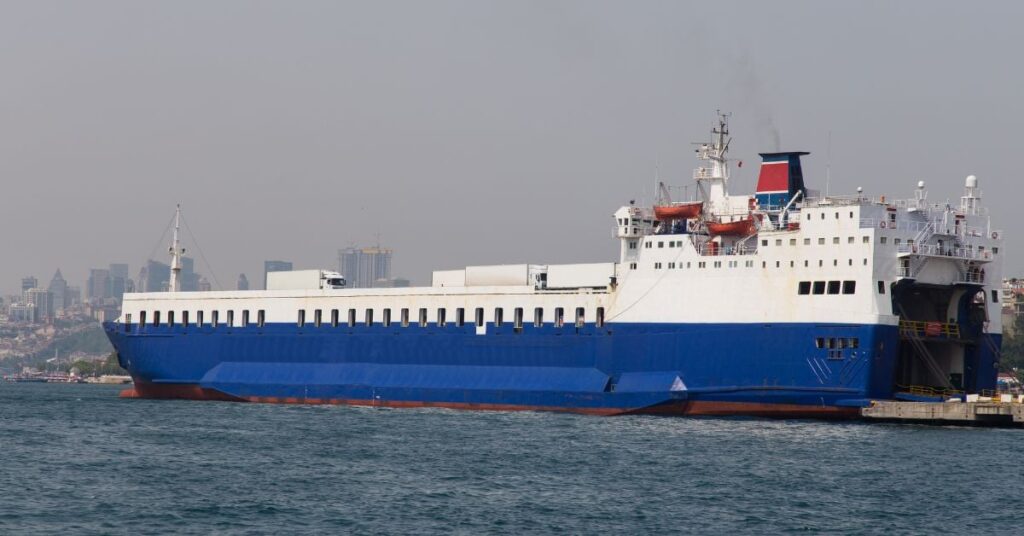
A 135-metre Dutch-flagged cargo ship carrying Mercedes-Benz vans has been stranded in Düsseldorf’s harbour for since Monday after running aground on a sandbank, as niveles excepcionalmente bajos de agua on the River Rhine paralyse key shipping routes.
The vessel, bound for the Port of Rotterdam, became stuck on Monday while attempting to leave a harbour basin. Authorities confirmed the cargo, white Mercedes-Benz vans from the Sprinter Plant in Düsseldorf, remained undamaged, but efforts to free the ship were hampered by water levels too low for tugboats to intervene safely.
Why the Rhine’s Low Water Levels Are Crippling Shipping
The incident highlights the growing crisis on the Rhine, Europe’s most critical inland waterway. The River Rhine stretches over el río Rin, connecting Switzerland, Germany, France, and the Netherlands, and serves as a vital artery for the continent’s industrial and commercial activities.
Prolonged drought and a lack of rainfall have reduced water levels to historic lows, forcing operators to slash cargo loads or suspend operations entirely. The stranded vessel, operated by logistics firm Mosolf, is just one of many affected by the conditions, which have disrupted supply chains across Germany and the Netherlands.
The Port of Düsseldorf, where the vessel ran aground, is a key hub for automotive logistics, handling thousands of vehicles annually. The port’s harbour authority is responsible for maintaining safe navigation conditions, including dredging operations to ensure adequate water depth. However, the recent dispute between the port authority and Mosolf underscores the challenges faced by harbour authorities in balancing maintenance with the demands of commercial shipping.
A police spokeswoman warned that attempting to free the ship could “risk damaging the vessel”, leaving authorities with little choice but to wait for water levels to rise. Meanwhile, Mosolf attempted to use the ship’s bow thrusters to nudge it free, with plans to unload some of the vans to lighten the load. “se planea intentar alcanzar el Rin más tarde esta semana tras descargar algunas furgonetas,” a Mosolf spokesman later confirmed, though the vessel remained since Monday behind schedule.
The grounding occurred as the ship navigated a single harbour basin in Düsseldorf, blocking no other traffic. However, the dispute over responsibility for the incident has intensified. The Port of Düsseldorf authority claimed the captain misjudged the vessel’s weight and draught, while Mosolf countered that insufficient dredging in the harbour was to blame. The ship was eventually freed after another cargo vessel nudged it off the sandbank, allowing it to resume its journey following a slight rise in water levels.
What This Means for Europe’s Supply Chains
The Rhine’s low water levels are not just a logistical headache; they are a threat to Europe’s economy. The river is a lifeline for industries reliant on just-in-time deliveries, including automotive manufacturers like Mercedes-Benz. The Sprinter Plant in Düsseldorf, which loaded the stranded vessel, is one of Mercedes-Benz Vans’ primary production sites, producing thousands of vehicles annually for global distribution. Delays like this one could ripple through production schedules, affecting dealerships and customers downstream.
For shipping operators, the crisis has forced difficult decisions. Some have reduced cargo loads by up to cargas reducidas to navigate the shallow waters, while others have temporarily halted operations altogether. The financial impact is significant: reduced loads mean higher costs per unit transported, and suspended operations lead to lost revenue and contractual penalties. The situation is expected to worsen unless significant rainfall replenishes the Rhine’s levels, a scenario meteorologists say is unlikely in the short term.
The stranded vessel’s cargo, consisting of Mercedes-Benz vans, is part of a broader supply chain that extends beyond Europe. Many of these vehicles are destined for markets in Africa, Asia, and the Americas, where delays could disrupt local dealership inventories and customer deliveries. For logistics companies like Mosolf, which specialises in vehicle transport, such disruptions are particularly damaging, as they rely on predictable schedules to meet contractual obligations with manufacturers and dealers.
As the stranded vessel finally makes its way to Rotterdam, the incident serves as a stark reminder of the vulnerability of Europe’s inland waterways. The Port of Rotterdam, Europe’s largest seaport, is a critical gateway for goods entering and leaving the continent. Delays in the Rhine’s shipping routes can create bottlenecks at Rotterdam, further straining supply chains already under pressure from global trade disruptions.
With climate change expected to exacerbate drought conditions, industries may need to rethink their reliance on the Rhine. Potential alternatives include increased investment in rail and road transport, though these options come with their own challenges, including higher costs and capacity constraints. For now, shipping operators are left to monitor water levels closely, hoping for a reprieve before the next crisis hits.
The ripple effects of the Rhine’s low water levels extend far beyond the shipping industry. For businesses reliant on just-in-time deliveries, such as automotive manufacturers, delays can lead to production halts, increased costs, and missed deadlines. The Mercedes-Benz Sprinter Plant in Düsseldorf, for example, may face temporary slowdowns if vehicles cannot be transported efficiently to their next destination. This, in turn, could lead to shortages at dealerships, delaying customer deliveries and affecting sales.
Consumers may also feel the impact of the crisis. Delays in the delivery of vehicles, machinery, and other goods can lead to higher prices, as businesses pass on increased logistics costs to customers. In some cases, products may become temporarily unavailable, particularly if manufacturers are unable to source components or raw materials transported via the Rhine.
For logistics companies like Mosolf, the crisis underscores the need for contingency planning. While the stranded vessel was eventually freed, the incident highlights the risks of operating in an environment where water levels can change rapidly. Companies may need to invest in more flexible transport solutions, such as modular vessels that can adapt to varying water depths, or diversify their routes to include rail and road options.
The immediate outlook for the Rhine remains uncertain. Meteorologists predict that water levels will remain low in the coming weeks, with little rainfall expected to alleviate the drought conditions. This means that shipping operators will continue to face challenges, including reduced cargo loads and potential temporary halts in operations. The Port of Düsseldorf and other harbour authorities may need to increase dredging efforts to maintain safe navigation conditions, though such measures are costly and time-consuming.
In the longer term, the crisis on the Rhine could prompt broader changes in Europe’s logistics landscape. Industries may accelerate their shift toward alternative transport modes, such as rail and road, though these options are not without their own limitations. Rail transport, for example, is often more expensive and less flexible than inland waterways, while road transport is constrained by capacity and environmental regulations.
For now, businesses and consumers alike are advised to monitor developments closely. The Port of Rotterdam and other key logistics hubs provide regular updates on water levels and shipping conditions, which can help stakeholders plan accordingly. Meanwhile, the stranded vessel’s journey to Rotterdam serves as a temporary reprieve, but the underlying issue of low water levels on the Rhine remains unresolved, posing an ongoing challenge for Europe’s supply chains.
As the situation evolves, one thing is clear: the Rhine’s role as Europe’s industrial lifeline is under threat, and the consequences will be felt far beyond the river’s banks.


Sign up free to ask CAMAL AI for a summary, the key points or anything else about this story.
Related stories
CAMAL AI
 Financial Ports Newsletter
The maritime economy, every morning
Ports, shipping and freight markets in one short email. Free.
Financial Ports Newsletter
The maritime economy, every morning
Ports, shipping and freight markets in one short email. Free.



