

Houthi Drone Boat Base Wiped Out: The Strike That Shakes Red Sea Shipping
Yemeni forces obliterate a Tufan-1 unmanned attack boat and its coastal outpost.
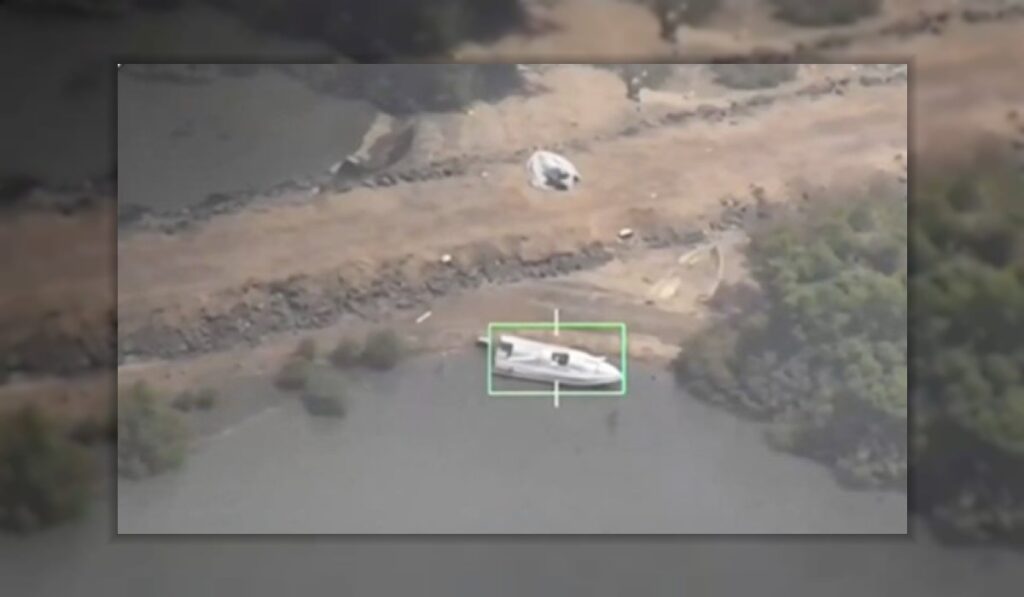
The operation, confirmed by video footage, also revealed that another Tufan-1 and the outpost itself had already been neutralised in a prior strike.
The Houthis outpost, located in the northern stretch of the coastal strip under their control, was positioned to target vessels off the Saudi coast. June 2024 2024, a Tufan-1 was used in an attack on the Greek-owned bulk carrier Transworld Navigator, which survived despite a massive explosion. The same type of vessel was responsible for the sinking of the Liberian-flagged MV Tutor on June 12, 2024, resulting in the death of one Filipino crew member.
Tufan-1-1 operates with a two-man crew who steer the vessel toward its target before abandoning it and being recovered by an accompanying boat. The Houthiss have a history of deploying such vessels, including a 2017 attack on the Royal Saudi Naval Force frigate HMS Al Madinah, which killed two Saudi sailors.
“The seizure demonstrated the ability of Yemeni forces to protect territorial waters and prevent military supplies from reaching the Houthis,” Dwaid said.
The interception of the dhow highlights the role of external actors in sustaining the Houthis’ military capabilities. The IRGC, a branch of Iran’s armed forces, has been a key supplier of weapons and technology to the group, enabling it to project power beyond Yemen’s borders.
Escalation and the Future of Red Sea Security
The destruction of the Houthi outpost comes amid a sharp escalation in hostilities between Yemeni government forces and the Iran-aligned group. In recent weeks, government forces have intensified drone and artillery strikes on Houthi positions, while the Houthis have launched missile and drone attacks on government-held areas in Marib and along the western Red Sea coast.
Since announcing a ban on Saudi-linked maritime traffic on July 20, the Houthis have claimed a series of attacks on Saudi vessels and targets inside the kingdom, raising concerns about the stability of one of the world’s most critical shipping lanes.
Bab el Mandeb el Mandeb strait, a narrow chokepoint separating Yemen from Djibouti, remains one of the most vulnerable points in global trade routes. Approximately 10% of the world’s seaborne oil passes through this strait, along with vast quantities of containerised goods.
The Houthiss’ ability to disrupt traffic here has already forced shipping companies to reroute vessels around the Cape of Good Hope, adding significant costs and delays to global supply chains. The National Resistance Forces’ recent successes in neutralising Houthi maritime assets could provide temporary relief, but the broader conflict shows no signs of abating.
Yemen’s state-run Saba TV reported that government forces had intercepted and destroyed another remotely operated Houthi explosive boat before it could reach its intended targets. The conflict, which began in late 2014 when the Houthis seized Sanaa and much of northern Yemen, has drawn in a Saudi-led coalition and continues to pose a threat to regional and global trade.
The National Resistance Forces, aligned with the Internationally Recognised Government (IRG) of Yemen, have been a key player in countering Houthi advances. The IRG, based in Aden, has struggled to assert control over the country since the Houthis seized the capital, Sanaa, in 2014. The Saudi-led coalition, which intervened in 2015, has provided air support and logistical assistance to the IRG, but the conflict has settled into a prolonged stalemate, with neither side able to achieve a decisive victory.
The recent escalation in hostilities has raised concerns among international observers about the potential for further disruptions to Red Sea shipping. The United Nations has repeatedly called for a ceasefire, but efforts to broker peace have so far failed. With the Houthis continuing to receive support from Iran and the IRG relying on backing from Saudi Arabia and other regional allies, the conflict shows no signs of resolution in the near term.
The National Resistance Forces’ ability to neutralise Houthi maritime assets highlights the ongoing struggle for control over Yemen’s coastal waters. With the Red Sea serving as a vital artery for global commerce, the stakes could not be higher. The next phase of the conflict will likely see further attempts by both sides to assert dominance over this strategically critical region. For shipping companies and global trade networks, the situation remains fraught with risk, as the threat of attacks on vessels persists.
For those operating in the region, the recent developments underscore the need for heightened vigilance. The interception of drone components and the destruction of Houthi naval outposts may temporarily reduce the threat, but the broader instability in Yemen ensures that the Red Sea will remain a flashpoint for the foreseeable future. Official updates on the conflict can be monitored through channels such as Saba TV and The December 2 News Agency, which provide real-time reporting on developments in Yemen.


Sign up free to ask CAMAL AI for a summary, the key points or anything else about this story.
Related stories
CAMAL AI
 Financial Ports Newsletter
The maritime economy, every morning
Ports, shipping and freight markets in one short email. Free.
Financial Ports Newsletter
The maritime economy, every morning
Ports, shipping and freight markets in one short email. Free.



