

Kenya bets $1.2bn on private hands to revive Mombasa and Lamu ports
The government launches a two-phase concession programme to modernise its key maritime gateways, starting.
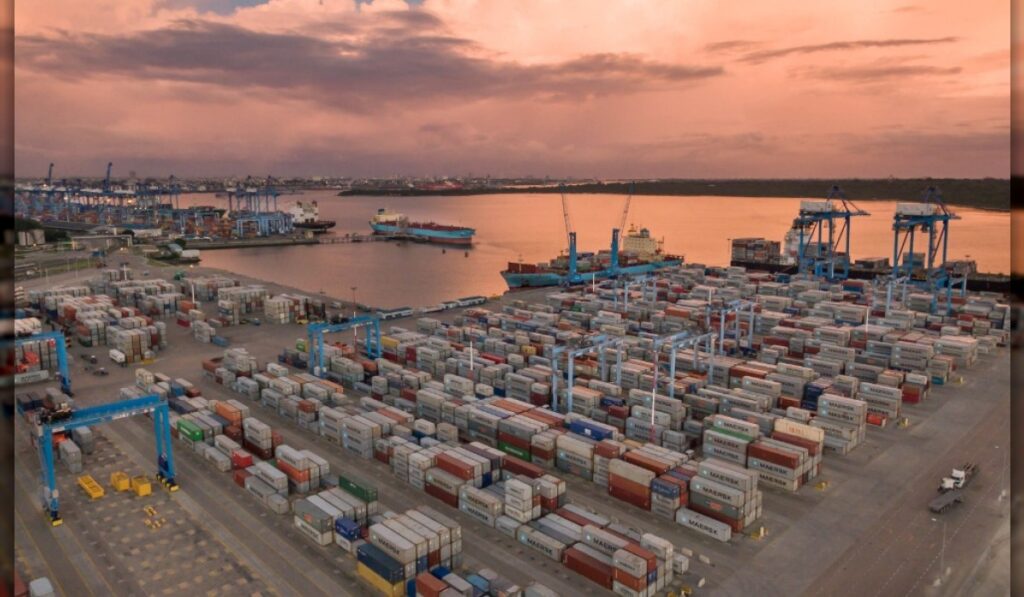
Kenya has launched a $1.2 billion investment programme to modernise its key ports, marking a strategic shift toward private-sector involvement in maritime infrastructure. The initiative targets critical upgrades at the ports of Mombasa and Lamu, with the government aiming to attract private operators through a landlord port model.
The first phase of the programme, valued at $615 million, will focus on four major assets: Mombasa berths 11 to 14, Mombasa Container Terminal 1, Lamu Container Terminal berths 1 to 3, and the adjacent Lamu Special Economic Zone. The state-owned Kenya Ports Authority (KPA) will contribute $60 million, while private investors will provide the remaining funding. Feasibility studies for these concessions have already been approved, allowing KPA to proceed with competitive procurement.
Expansion plans and capacity upgrades: Mombasa and Lamu
The redevelopment of Mombasa’s berths 11 to 14 is projected to triple annual container capacity from 300,000 twenty-foot equivalent units (teu) to 900,000 teu. Dredging and berth realignment will also enable larger vessels to dock, improving efficiency. Meanwhile, Lamu’s first three berths are designed to handle a combined 1.2 million teu, positioning the port as a vital trade hub for northern Kenya and neighbouring landlocked countries.
A second phase, estimated at approximately $770 million, will extend the programme to additional Mombasa container and general cargo terminals, Mbaraki Wharf, and inland depots at Embakasi and Naivasha. Together, both phases are expected to draw $1.2 billion in private investment, according to the National Treasury.
Government oversight and investor concerns
Under the landlord port model, KPA will retain ownership and regulatory control while private operators finance and manage terminal operations. The government has emphasised its commitment by co-investing in the first phase, despite fiscal pressures. However, key details, such as concession fees and contract durations, remain undisclosed, raising concerns among potential investors about transparency and long-term viability.
The success of the programme hinges on securing capable private partners to deliver the promised upgrades. If executed effectively, the modernisation could significantly enhance Kenya’s role in regional trade. For now, industry stakeholders are closely monitoring developments at Mombasa and Lamu as the privatisation process unfolds.


Sign up free to ask CAMAL AI for a summary, the key points or anything else about this story.
Related stories
CAMAL AI
 Financial Ports Newsletter
The maritime economy, every morning
Ports, shipping and freight markets in one short email. Free.



