


Indian Captain Faces 10 Years in UK Prison Over Russian Oil Cargo
Ajay Pant arrested after British commandos seized the tanker Smyrtos carrying 98,000 tonnes of Russian oil
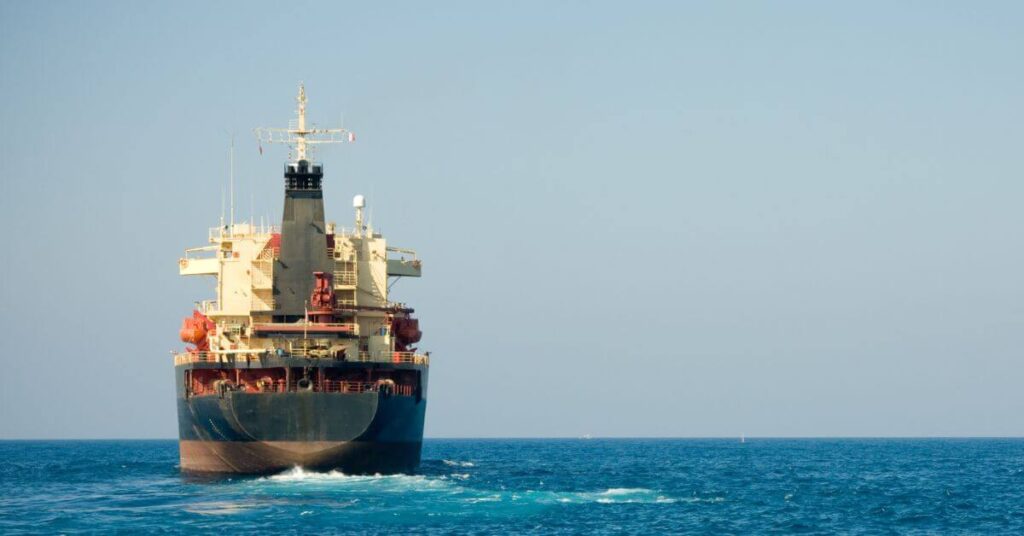
An Indian merchant navy captain remains in a British prison, facing up to a decade behind bars after UK authorities accused him of transporting Russian oil in violation of international sanctions. Ajay Pant, 38, was arrested on June 14 when British commandos boarded his tanker, the Smyrtos, in the English Channel, seizing the vessel and its cargo of 98,000 tonnes of crude.
Pant, the only crew member charged among the 24 onboard, denies any wrongdoing. His wife, Ritu Pant, has publicly called him a ‘scapegoat’, arguing that as a captain, his role was limited to ensuring the safe delivery of the cargo, not questioning its legality.
The Tanker and the Shadow Fleet: Indian
According to court documents, the tanker departed the Russian port of Ust-Luga on June 5, bound for Egypt’s Port Said, before being intercepted by British forces.
The operation was hailed as a ‘blow to Russia’ by then-then-Prime Minister Keir Starmer, underscoring the UK’s commitment to enforcing sanctions.
Prosecutors allege that Pant, as the vessel’s master, was aware of the cargo’s origins and was responsible for its transportation.
The case raises questions about the liability of seafarers under international sanctions regimes.
The Human Cost of Geopolitical Disputes
Pant’s arrest has highlighted the risks faced by seafarers caught in the crossfire of international sanctions. Steve Yandell, a representative of the International Transport Workers’ Federation, told AFP that crew members often lack awareness of whether their cargo is subject to sanctions, leaving them vulnerable to legal repercussions.
Ritu Pant described the emotional toll of her husband’s detention in a heartfelt account. “He was broken and he was just crying,” she said. “He didn’t know what had happened to him… He just said, ‘I am in jail, please take me out.’” India government has provided consular support through its High Commission in London, which has raised the matter with British authorities. The Indian Ministry of External Affairs has also issued a statement expressing concern over the case, urging the UK to consider the “humanitarian aspects” of Pant’s detention.
India’s maritime community has rallied around Pant, with fellow captains and industry groups emphasizing the need for clearer guidelines to protect seafarers. Sanket Joshi, an Indian tanker captain, called the situation ‘very alarming’, warning that similar cases could deter young Indians from pursuing careers at sea. “If captains can be arrested for simply doing their jobs, who will want to take the risk?” Joshi asked. The Indian National Shipowners’ Association has called for diplomatic intervention, arguing that the case sets a dangerous precedent for seafarers worldwide.
The legal battle ahead is daunting. Pant’s application to have the charges dismissed is scheduled for a hearing on November 12, with his full trial set to begin on December 15. If convicted, he faces a maximum sentence of 10 years in prison, a prospect that has left his family and colleagues in limbo. His mother, Deepa, who lives in Ramnagar, a village in Uttarakhand’s Nainital district, has launched a social media campaign calling for his release, garnering support from thousands of seafarers and their families across India.
For seafarers and their families, the case underscores the need for greater protections under international maritime law. The International Maritime Organization (IMO), the UN agency responsible for regulating shipping, has yet to issue formal guidelines on sanctions compliance for seafarers, leaving captains like Pant exposed to legal risks. Industry groups are now pushing for the IMO to establish a clear framework that distinguishes between commercial decisions made by shipowners and the operational responsibilities of crew members.
The outcome of Pant’s trial could have far-reaching implications for the global shipping industry. If he is convicted, it may embolden Western authorities to pursue similar cases against seafarers, further complicating the already fraught landscape of international maritime trade. Conversely, an acquittal could prompt a reevaluation of how sanctions are enforced, potentially leading to greater safeguards for crew members.
For now, the case serves as a stark reminder of the complexities facing the global shipping industry amid geopolitical tensions. As sanctions regimes tighten, the line between compliance and criminal liability grows increasingly blurred for those tasked with navigating the world’s oceans. Seafarers, who play a vital role in keeping global trade moving, are finding themselves on the front lines of a legal and diplomatic battle with no easy resolution in sight.
Sign up free to ask CAMAL AI for a summary, the key points or anything else about this story.
Related stories
Financial Ports Newsletter
The maritime economy, every morning
Ports, shipping and freight markets in one short email. Free.