


US Claims 10m Barrels Nightly in Hormuz—But Data Tells a Different Story
Washington reports 15-20 tankers daily in a stealth lane, yet independent tracking shows just 3-12 crossings.
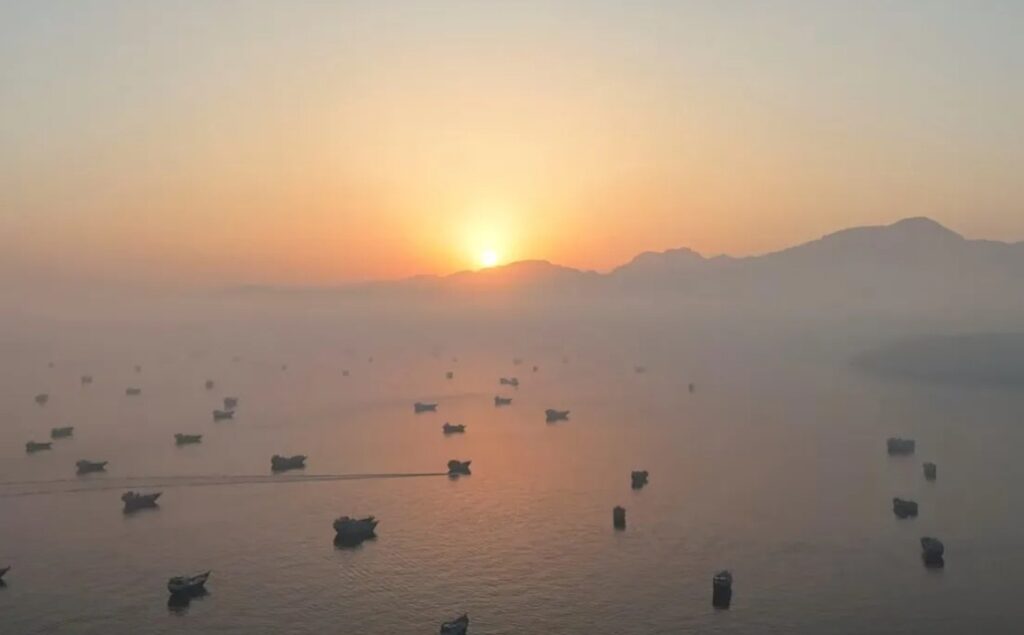
The U.S. administration has touted significant progress in securing tanker traffic through the Strait of Hormuz, but independent data paints a more modest picture of the corridor’s effectiveness.
Two American officials told Axios reporter Barak Ravid that between 15 and 20 tankers now transit a U.S.-defended “stealth” lane on the Omani side of the strait each night. According to the officials, this route facilitates the movement of approximately 10 million barrels of oil daily, covering both inbound and outbound traffic. The claims suggest a major achievement in countering Iranian influence in the critical waterway.
However, independent assessments challenge this narrative. Consultancy firm Kpler, which tracks maritime traffic using synthetic aperture radar (SAR) imaging, reports a far lower volume of crossings. Its data shows between 3 and 12 vessels per day, a figure that includes not only oil tankers but also bulk carriers, container ships, and traffic through the Iranian-controlled lane on the northern side of the strait. Unlike AIS transmissions, which can be manipulated, SAR imaging provides a more reliable but not infallible method of tracking.
Danny Citrinowicz, a former analyst with Israeli Defense Intelligence, acknowledged that if the U.S. figures are accurate, they represent a “major operational success” for American forces. Yet he cautioned that such progress could provoke further Iranian retaliation.
“Iran is unlikely to accept a situation in which it cannot export oil while other Gulf producers continue to do so,” he said. “Paradoxically, America’s relative operational success could become a driver of further Iranian escalation. Without a return to a negotiated framework, it will be increasingly difficult to prevent that escalation.”
The Strait’s Risks Extend Beyond Western Interests: Data
The Iranian threat in the Strait of Hormuz is not limited to vessels linked to Western nations. On August 19, two large Chinese-owned tankers attempted to transit the waterway—one through the Omani lane and the other via the central route—but abruptly reversed course, according to maritime analytics firm Windward. The incident highlights the persistent risks in the region, even for ships associated with Iran’s allies.
The standoff in the strait remains a flashpoint with global implications. If Iran perceives the U.S.-backed corridor as a direct challenge to its authority, further provocations could follow. Analysts warn that without diplomatic intervention, the situation risks escalating into a broader conflict, with potential disruptions to oil markets and rising energy prices. For now, the disparity between official claims and independent data underscores the volatility of the region’s geopolitics.
Sign up free to ask CAMAL AI for a summary, the key points or anything else about this story.
Related stories
Financial Ports Newsletter
The maritime economy, every morning
Ports, shipping and freight markets in one short email. Free.