


COSL targets two next-gen semisubs to reshape deepwater drilling
China’s COSL advances feasibility study for two cutting-edge deepwater semisubmersible rigs.
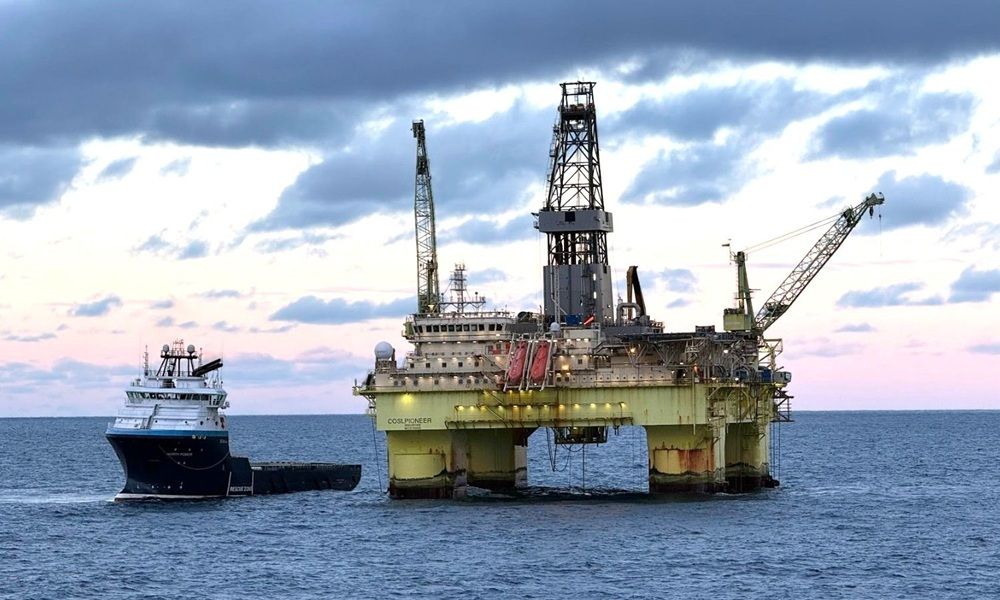
China Oilfield Services Limited (COSL) has taken a decisive step toward reshaping deepwater drilling with the approval of a feasibility study for two next-generation semisubmersible rigs. The move, endorsed by the company’s board and audit committee, underscores COSL’s ambition to lead in offshore energy exploration as global demand for deepwater projects grows.
Semisubmersible rigs are critical for deepwater operations, offering stability and versatility in harsh marine environments. Unlike jackup rigs, which are limited to shallower waters, semisubs can operate in depths exceeding 3,000 metres, making them indispensable for frontier oil and gas fields. COSL’s latest proposal follows a late-June resolution to explore the construction of 59 offshore service vessels and four high-performance jackup drilling rigs, signalling a broader push to modernise its fleet.
Why semisubs? The deepwater advantage
Deepwater drilling has become a cornerstone of global energy production, with major oil companies increasingly targeting reserves in ultra-deep waters. Semisubmersible rigs are favoured for their ability to withstand extreme conditions, including high waves and strong currents, while maintaining operational efficiency. COSL’s decision to invest in next-generation semisubs suggests a strategic bet on the long-term viability of deepwater projects, particularly in regions like the South China Sea and West Africa, where exploration activity is intensifying.
Brent Crude
The company has yet to disclose technical specifications for the proposed rigs, but industry analysts anticipate advancements in automation, safety features, and fuel efficiency. These upgrades could reduce operational costs and environmental impact, aligning with the maritime sector’s push toward decarbonisation. COSL’s existing fleet already includes several semisubmersible rigs, but the new units are expected to incorporate cutting-edge technology to enhance performance and reliability.
What’s next for COSL’s offshore expansion?
The feasibility study marks the first phase of COSL’s plan, with the company likely to evaluate design options, cost estimates, and potential contractors in the coming months. If the study yields positive results, construction could begin within the next two years, though timelines may shift depending on market conditions and regulatory approvals. COSL’s broader fleet modernisation efforts, including the 59 offshore service vessels and four jackup rigs approved in June, indicate a long-term commitment to expanding its offshore capabilities.
For the offshore drilling sector, COSL’s move could signal a shift in industry dynamics. As competition intensifies among oilfield service providers, investments in advanced rigs may give COSL a competitive edge in securing contracts for high-profile deepwater projects. The company’s focus on semisubmersible technology also reflects a growing trend among drillers to prioritise versatility and efficiency in response to fluctuating oil prices and evolving energy policies.
While COSL has not revealed the financial details of the proposed rigs, the project aligns with the company’s broader strategy to capitalise on the recovery of offshore exploration. With global energy demand projected to rise, deepwater drilling is expected to play a pivotal role in meeting future supply needs. COSL’s latest initiative could position it as a key player in this evolving landscape, provided the feasibility study delivers promising results.
As the offshore industry continues to evolve, stakeholders will be watching closely to see how COSL’s next-generation semisubs perform in real-world conditions. If successful, the rigs could set a new benchmark for deepwater drilling technology, influencing future investments across the sector.
Sign up free to ask CAMAL AI for a summary, the key points or anything else about this story.
Related stories
Financial Ports Newsletter
The maritime economy, every morning
Ports, shipping and freight markets in one short email. Free.