

Black Sea Blockade Sends Wheat Prices to Three-Year High
Ukrainian exports collapse by 80% in August as 70 ships queue at Sulina Canal
Global wheat prices have climbed to their highest point in three years as the Black Sea conflict disrupts grain exports from both Russia and Ukraine. Since early August, wheat futures on the Chicago exchange have jumped by 18%, reflecting growing concerns over supply stability.
The shipping crisis has left around 70 vessels stranded near the entrance of the Sulina Canal, a key route for Ukrainian grain shipments into the Danube delta. Ukraine’s agriculture ministry reports an 80% drop in exports this month, a severe setback as the country enters its harvest season.
Russian Ports Face Severe Disruptions: black sea blockade
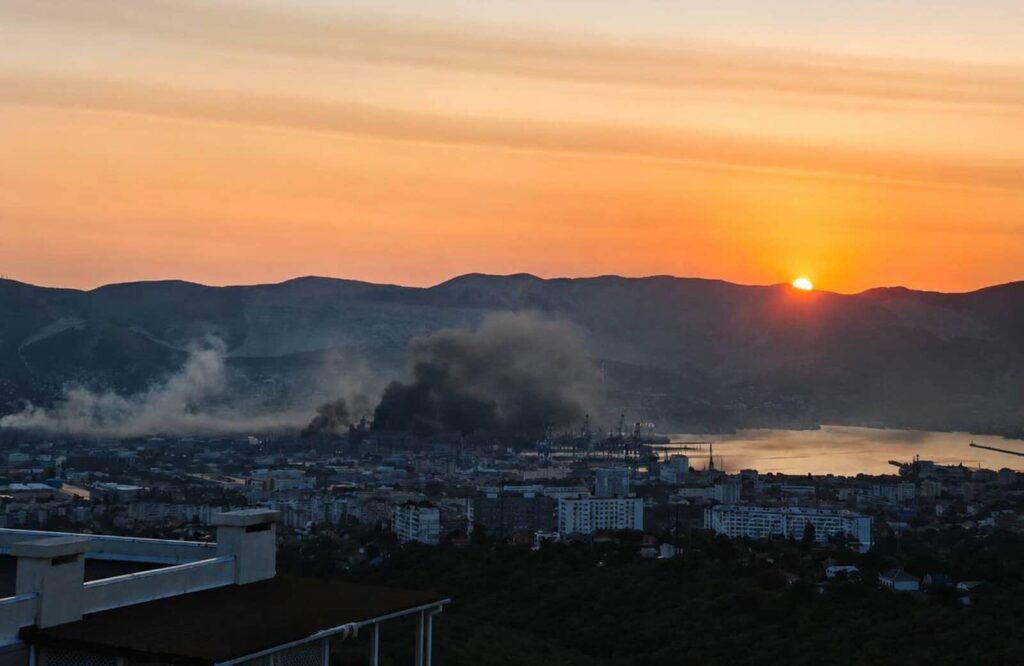
The impact extends to Russia, where Ukrainian drone strikes have forced the shutdown of all three grain terminals at the port of Novorossiysk. Despite Kremlin assurances that export measures are being implemented, Russian wheat shipments have fallen sharply. Interfax reports a 2.6-fold decline in exports compared to last year, attributed to both shipping delays and infrastructure damage.
Analysts warn the situation could worsen. Elena Tyurina of the Russian Grain Union cautions that, at the current rate, this season’s exports may reach their lowest level in a decade—even with a strong harvest. Meanwhile, Union President Arkady Zlochevskiy highlights the financial strain on farmers, noting that unsold grain is being sold as animal feed at a loss of $45 per tonne below production costs.
The ongoing conflict has turned critical export routes into choke points, leaving farmers in both countries with mounting losses and global markets facing tighter supplies.


Sign up free to ask CAMAL AI for a summary, the key points or anything else about this story.
Related stories
CAMAL AI
 Financial Ports Newsletter
The maritime economy, every morning
Ports, shipping and freight markets in one short email. Free.
Financial Ports Newsletter
The maritime economy, every morning
Ports, shipping and freight markets in one short email. Free.



