

BP locks in 20K subsea tech with TechnipFMC for Gulf of Mexico push
The MoU targets 20,000 psi subsea tree systems for BP’s Paleogene projects.
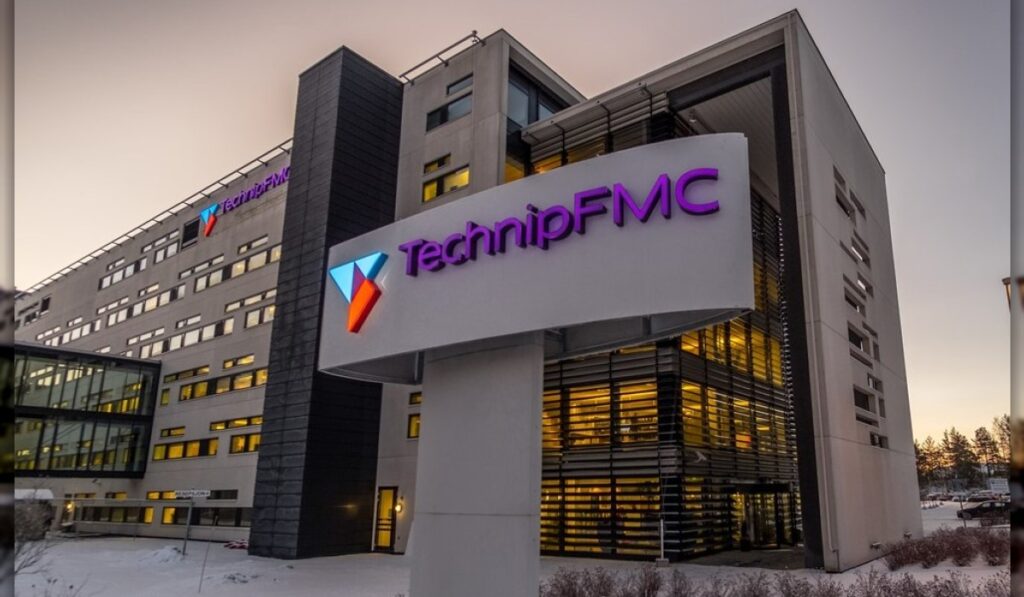
BP has formalised a strategic partnership with offshore engineering giant TechnipFMC to deploy high-pressure subsea production systems in the Gulf of Mexico, targeting the energy major’s ambitious Paleogene projects. The memorandum of understanding (MoU) establishes a framework for supplying 20,000 psi (20K) subsea tree systems, a critical component for deepwater developments.
Under the agreement, signed with BP Exploration & Production, the two companies will collaborate to identify early opportunities and advance technology development. The focus is on standardising subsea equipment, streamlining project delivery, and reducing schedule uncertainty, key factors in deepwater operations where delays can escalate costs.
Why 20K subsea trees matter for BP’s Gulf ambitions
Subsea tree systems are the backbone of offshore production, controlling the flow of hydrocarbons from the seabed to surface facilities. The shift to 20,000 psi technology marks a significant leap in pressure handling, enabling operators to access deeper, more challenging reservoirs. For BP’s Paleogene projects in the U.S. Gulf, this upgrade is not just about capacity, it’s about resilience in one of the world’s most demanding offshore environments.
TechnipFMC has already secured contracts to deploy its 20K subsea technology on BP’s Kaskida and Tiber projects, two of the energy major’s flagship developments in the region. The MoU builds on this track record, creating a pathway for repeatable, systematic project execution. Doug Pferdehirt, TechnipFMC’s chair and CEO, said:
«The MoU reflects our commitment to advancing the deployment of standardized 20K solutions. By combining proven technologies with repeatable and systematic project delivery, TechnipFMC can help improve predictability and performance across future developments.»
Doug Pferdehirt·Chair and CEO, TechnipFMC
A pattern of deepwater dominance: TechnipFMC’s recent wins
The BP agreement is the latest in a string of high-profile subsea contracts for TechnipFMC, underscoring its position as a leader in deepwater engineering. Earlier in October, the company secured a deal with Petrobras to supply flexible pipe systems for pre-salt developments offshore Brazil, a region known for its complex geology and high-pressure reservoirs.
In September, TechnipFMC landed an integrated engineering, procurement, construction, and installation (iEPCI) contract from Petronas Carigali for the Limbayong deepwater project offshore Malaysia. The award covers the entire subsea scope, from design to installation, a testament to the company’s end-to-end capabilities in offshore field development.
August saw another milestone, with Azule Energy awarding TechnipFMC a contract to supply flexible flowlines, risers, and associated equipment for the West Hub Tails project offshore Angola. The deal extends the Agogo Integrated Development, reinforcing TechnipFMC’s footprint in West Africa’s burgeoning deepwater sector.
The BP MoU, however, carries particular weight given the scale and technical demands of the Paleogene play. The Gulf of Mexico’s Paleogene trend is one of the most promising yet challenging frontiers in offshore oil and gas, with reservoirs located at extreme depths and pressures. Standardising 20K subsea tree systems could be a game-changer, reducing lead times and mitigating the risks of cost overruns.
For BP, the partnership aligns with its broader strategy to revitalise its upstream portfolio, particularly in the Gulf of Mexico where it holds significant acreage. The energy major has been vocal about its focus on high-margin, low-carbon projects, and the Paleogene developments fit squarely within this vision. By leveraging TechnipFMC’s expertise, BP aims to accelerate project timelines while maintaining operational efficiency, a balancing act that has eluded many deepwater operators in the past.
The collaboration also reflects a broader industry trend: the push toward standardisation in subsea technology. Historically, bespoke solutions have dominated offshore engineering, driving up costs and complicating project schedules. The shift toward repeatable designs and modular systems is gaining traction, particularly as operators seek to optimise capital expenditure in a volatile energy market.
TechnipFMC’s 20K subsea tree systems are at the forefront of this movement. Designed to handle pressures of up to 20,000 psi, they offer a robust solution for high-pressure, high-temperature (HPHT) environments, a growing necessity as the industry ventures into deeper waters. The company’s track record in the Gulf of Mexico, including its work on BP’s Kaskida and Tiber projects, provides a strong foundation for the MoU’s ambitions.
Looking ahead, the partnership could set a new benchmark for subsea project delivery in the Gulf of Mexico. If successful, the standardised 20K systems could become the default choice for Paleogene developments, potentially influencing other operators in the region. For TechnipFMC, the MoU is more than a contract, it’s a validation of its technology and a stepping stone toward broader adoption of its subsea solutions.
The next phase will likely involve detailed engineering studies and early-stage project planning, with both companies aiming to translate the MoU’s framework into concrete contracts. Given the technical complexities of the Paleogene play, the timeline for full-scale deployment remains uncertain, but the groundwork laid by this agreement signals a clear intent to move swiftly.
For the offshore sector, the BP-TechnipFMC partnership is a reminder of the industry’s relentless push into deeper, more challenging waters. As operators seek to unlock new reserves, the demand for high-pressure subsea technology will only grow, and those who can deliver it efficiently will hold the keys to the next frontier of offshore production.


Sign up free to ask CAMAL AI for a summary, the key points or anything else about this story.
Related stories
CAMAL AI
 Financial Ports Newsletter
The maritime economy, every morning
Ports, shipping and freight markets in one short email. Free.



