

$65m Tax Heist: How 60 Smugglers Exploited Australia’s Sky-High Tobacco
Australian and Chinese authorities dismantle a syndicate that evaded $65m in duties using mislabelled shipping.
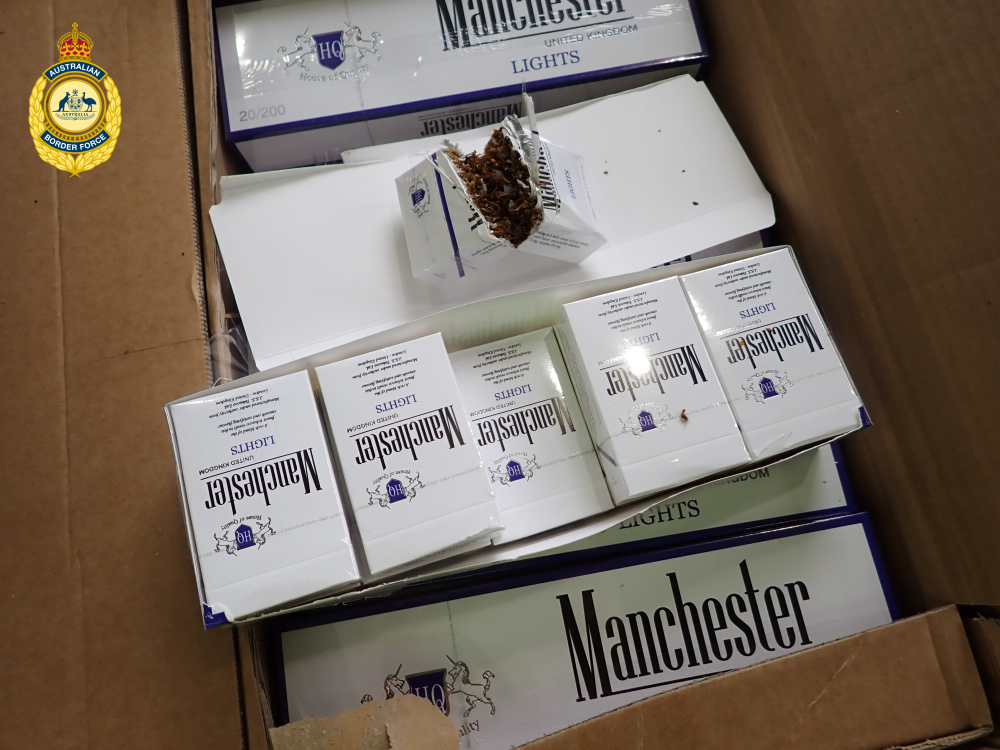
A joint operation between Australian and Chinese authorities has dismantled a major tobacco smuggling ring, resulting in the arrest of 60 individuals and the seizure of 91 shipping containers filled with illicit cigarettes. The bust, which uncovered unpaid duties totalling US$65 million, highlights the scale of organised crime exploiting Australia’s record-high tobacco taxes.
Most of the containers, mislabelled as legitimate cargo such as LED lamps or printers, were destined for Sydney. Upon inspection, 91 were found to contain smuggled tobacco, primarily cigarettes.
How the Smuggling Network Operated, and Why It Thrived: tobacco smuggling
The illicit trade thrives on Australia’s steep tobacco excise tax, which stands among the highest globally. At US$1.10 per cigarette, the unpaid tariff on smuggled goods creates a lucrative black market. Economist Chris Richardson estimates criminal earnings from this trade reach US$5 billion annually, funding organised crime while undermining public health efforts to curb smoking.
The smuggling ring sourced cigarettes from manufacturing hubs in Southeast Asia, assembling and packing them before smuggling the products into warehouses in China. From there, the cartons were concealed within legitimate shipments and dispatched to Australia. Once landed, the contraband was sold into the black market, bypassing taxes entirely.
For China, the operation aligns with broader efforts to combat illegal cross-border smuggling, which has historically included counterfeit tobacco operations.
For Australia, the bust serves multiple purposes: reducing tax evasion, cutting off a revenue stream for criminals, and discouraging smoking by eliminating cheaper, untaxed alternatives.
The Broader Impact: Tax Policy Under Scrutiny
The scale of the black market has sparked debate over Australia’s tobacco tax policy. New South Wales Premier Chris Minns has criticised the excise, arguing it inadvertently fuels organised crime. “It’s driving underground black-market cigarettes and it’s really a source of funding and opportunity for organised crime in New South Wales,” Minns said, advocating for a repeal of the tariff.
However, the high cost has created a parallel market where smuggled cigarettes are sold at a fraction of the price, undermining the tax’s public health objectives.
Since July 2025, China Customs has assisted the ABF in intercepting approximately 90 million cigarettes, one million vape cartridges, and 11 tonnes of loose tobacco before they reached Australian consumers.
For Australian authorities, the challenge remains balancing public health goals with the unintended consequences of high taxes. While the excise aims to deter smoking, its effectiveness is undermined by the thriving black market. The ABF continues to prioritise intelligence-sharing with international partners to disrupt smuggling networks at their source. This includes working with agencies in Southeast Asia, where many of the illicit cigarettes are manufactured, to target production hubs and distribution channels.
Consumers seeking to avoid unknowingly purchasing illicit tobacco are advised to verify the authenticity of products through official channels. The ABF provides resources on its website for identifying counterfeit or smuggled goods, including guidance on packaging, labelling, and authorised retailers. Purchasing from licensed vendors not only ensures compliance with tax laws but also reduces the risk of supporting organised crime.
The next phase of the investigation will focus on tracing the financial networks behind the smuggling ring, with Australian and Chinese authorities expected to release further details in the coming months. Financial investigations are a critical component of dismantling criminal organisations, as they target the profits that sustain illicit operations. Meanwhile, policymakers face mounting pressure to address the root causes of the black market, including the role of taxation in incentivising illegal trade.
For businesses involved in international shipping, this case serves as a reminder of the risks associated with misdeclared cargo. Freight forwarders and logistics providers are increasingly required to implement stricter due diligence measures to prevent their services from being exploited by smugglers. The ABF has urged industry stakeholders to report suspicious shipments and collaborate with authorities to combat illicit trade.
Public health experts continue to advocate for a multi-pronged approach to reducing smoking rates, combining taxation with education, cessation programmes, and stricter enforcement of anti-smuggling laws. While high taxes remain a cornerstone of Australia’s tobacco control strategy, the rise of the black market highlights the need for adaptive policies that address both supply and demand.


Sign up free to ask CAMAL AI for a summary, the key points or anything else about this story.
Related stories
CAMAL AI
 Financial Ports Newsletter
The maritime economy, every morning
Ports, shipping and freight markets in one short email. Free.
Financial Ports Newsletter
The maritime economy, every morning
Ports, shipping and freight markets in one short email. Free.