

China Awards Two Scholarships to Liberia Maritime Authority
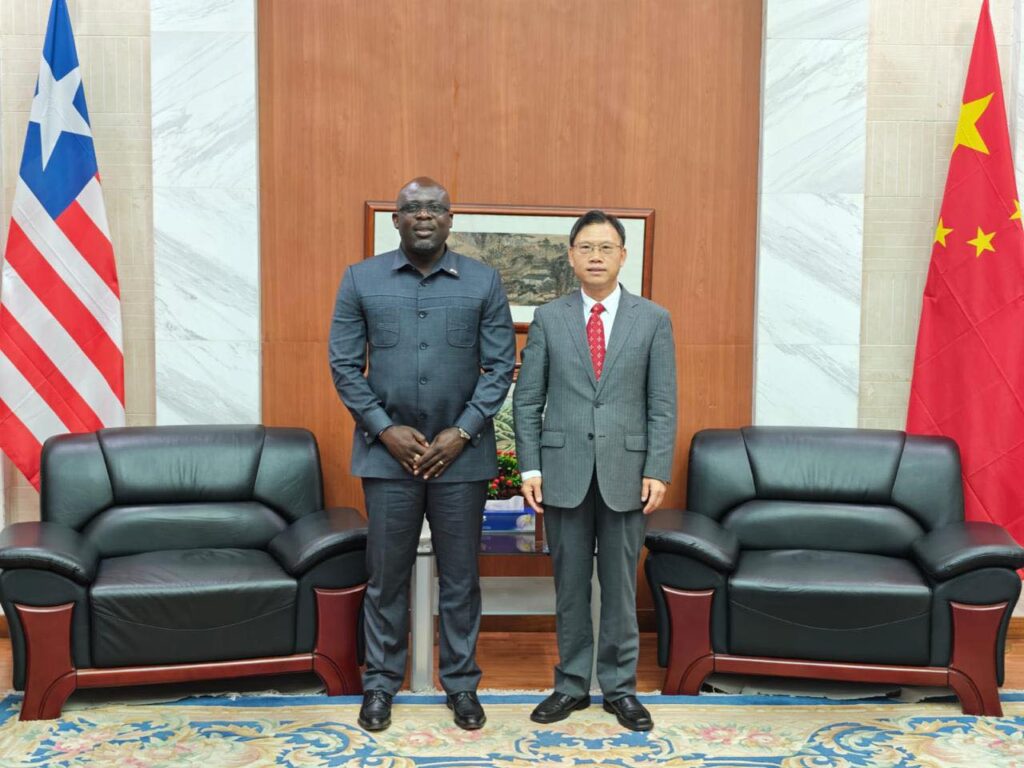
The Government of the People’s Republic of China has awarded two scholarships to the Liberia Maritime Authority (LiMA), signaling a targeted gesture toward professional development within Liberia’s maritime administration. The announcement, concise but notable, points to a continuing emphasis on education as a pillar of international cooperation in the maritime domain. While the formal notice is brief, the act itself underscores an intention to support human capital in a sector that depends on regulatory expertise, safety oversight, and technical proficiency. In the absence of expanded specifics, the development stands as a clear indicator of interest in advancing competencies that underpin effective maritime administration and long-term sector performance.
As of publication, the communication about the awards remained limited in scope, with program parameters, academic destinations, and timelines not disclosed. No information was provided on the intended fields of study, the selection framework for nominees, the duration of support, or post-scholarship placement within the institution. Such details typically shape how scholarships translate into practical outcomes—ranging from regulatory specialization to technical certification—and determine whether gains are sustained after participants return to their posts. Until these components are clarified, the measure can be recognized as a supportive step, pending definition of its operational contours.
In broad terms, scholarship initiatives are widely used to advance capacity‑building in public agencies, especially those charged with complex mandates like vessel registration, compliance monitoring, and port-state control. When aligned with institutional needs, study programs can reinforce domains such as maritime law, safety management systems, environmental protection, and digital recordkeeping. For regulators and administrators, enhanced competencies can strengthen maritime governance, improve risk assessment, and facilitate more consistent enforcement of standards. The value of such opportunities ultimately hinges on the specificity of learning objectives and the mechanism to apply new knowledge to day-to-day responsibilities.
Significance and Context
At the bilateral level, educational support often functions as a durable channel for technical exchange, complementing government-to-government engagement and sectoral cooperation. In practice, scholarships can contribute to institutional strengthening by equipping public officials with updated methodologies, comparative perspectives, and professional networks. When paired with structured reintegration plans—such as defined roles upon completion and mentoring within departments—training outcomes are more likely to take root. The present award fits within this general pattern of skills transfer, even as its full scope awaits elaboration.
Practical benefits from academic or professional programs typically emerge in areas where new knowledge can streamline regulatory workflows, standardize procedures, and elevate the quality of inspections and audits. Targeted training may help modernize documentation practices, improve data integrity, and embed continuous improvement cycles. Strengthened analytical skills can also support evidence-based decision-making, ensuring that policy adjustments keep pace with international benchmarks and evolving industry risk profiles. Such effects are contingent on how curricula are chosen, how learning is evaluated, and how competencies are embedded in institutional performance frameworks.
Governance considerations accompany any public scholarship scheme. Clear articulation of objectives, transparent nomination criteria, and an auditable selection process help ensure fairness and maximize institutional return on investment. Periodic reporting on progress during the program, followed by post-completion assessments tied to role-specific indicators, can demonstrate value and foster public accountability. Documenting lessons learned—what worked, what did not, and what should be adapted—further supports continuous refinement, enabling future awards to target gaps with greater precision.
What to watch next includes formal publication of program details, identification of host institutions, and confirmation of how the awards will be integrated into LiMA’s workforce plans. Clarity on learning outcomes and job assignments upon return would help translate academic gains into operational improvements. Equally, a timetable for milestones and results-oriented follow-up would enhance implementation. Until those elements are defined, the scholarships stand as a constructive but preliminary step toward strengthening maritime administrative capacity through education and professional development.


Sign up free to ask CAMAL AI for a summary, the key points or anything else about this story.
Related stories
CAMAL AI
 Financial Ports Newsletter
The maritime economy, every morning
Ports, shipping and freight markets in one short email. Free.
Financial Ports Newsletter
The maritime economy, every morning
Ports, shipping and freight markets in one short email. Free.



