

Türkiye introduces new restrictions on ships linked to Israel
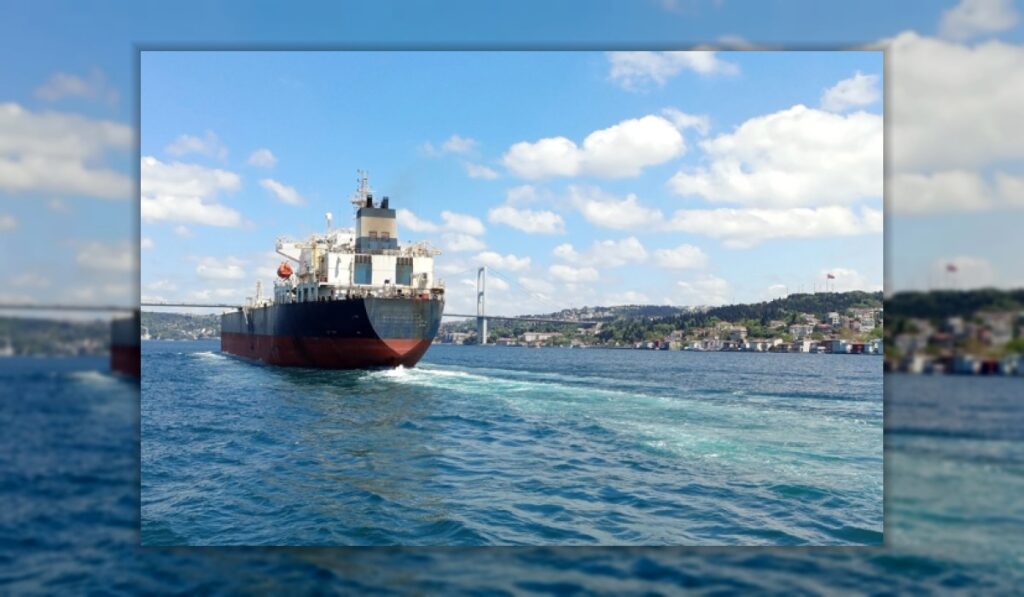
Turkish authorities have recently introduced new regulations. Under this measure, ships docking at Turkish ports must submit an official declaration confirming that they are not carrying military cargo to Israel and have no connections to Israel.
In response to the ongoing conflict in Gaza and escalating tensions between Türkiye and Israel, Turkish authorities have implemented a series of maritime restrictions meant to limit shipping connections with Israel. These measures build on earlier decisions, including a trade cessation between the two countries in 2024.
The new rules impose several requirements and prohibitions for vessels linked to Israel: Declarations Required: Ships docking at Turkish ports must submit official written declarations affirming that they are not carrying military cargo to Israel and have no operational or ownership ties to Israeli entities. Prohibition for Israeli-Flagged or Israeli-Operated Vessels: Vessels flagged in Israel, or operated/owned by Israelis or companies with Israeli shareholders or partners, are being denied entry into Turkish ports. Turkish Ships Prohibited from Using Israeli Ports: Turkish-flagged vessels are no longer permitted to call at Israeli ports. Cargo Restrictions: Vessels carrying hazardous materials (including explosives or radioactive items), military goods, or other cargo judged sensitive or with potential military utility to Israel are prohibited from Turkish ports. Penalties for Non-Compliance: Ships found to have made false declarations may face fines or be expelled from Turkish waters. Monitoring of these declarations will include digital tracking and scrutiny via shipping agents. Trade Severance: Türkiye has effectively cut all direct trade with Israel, including imports/exports and certain services. This is part of broader sanctions already in place since 2023–2024.
Implications and Reactions
Shipping & Trade Disruption. These restrictions affect commercial as well as naval or government-linked shipping. Shipping companies must now vet vessels, ownership, and origins more carefully. Logistics and route planning are impacted—ships that previously called at Turkiye or Israel may need to reroute or avoid certain ports altogether.
Legal and Contractual Challenges. Charterparty agreements, bills of lading, and contracts might become frustrated—that is, legally impossible to fulfill—where voyages involve Turkish or Israeli ports under the new restrictions. Shipping agents and owners may need to look at force majeure clauses, sanctions provisions, or make contractual adjustments.
Efforts to Bypass the Restrictions. Despite the prohibitions, there are reports of maritime firms trying to get around the rules. Some ships under foreign flags, or using indirect routes, appear to continue transporting goods linked with Israel, though these come with ethical, regulatory, and legal risks.
Diplomatic/Political Overtones
The restrictions deepen the rift between Türkiye and Israel. Türkiye has increasingly denounced Israel’s actions in Gaza, accusing it of widespread human rights violations. These shipping restrictions are part of a broader foreign policy aimed at putting pressure on Israel, while aligning with other states taking similar stances.
Some of the measures have been implemented via memos, circulars, or verbal instructions rather than formal legislation or public decrees. This raises questions about consistency of enforcement and legal certainty.
The precise scope—how broadly “affiliation to Israel” is defined—and how long the restrictions will remain in force are still somewhat unclear.
Ships not owned by Israelis, but carrying Israeli cargo, or traveling through Turkish ports on multi-stop journeys, may face difficulties even if they are not directly affiliated. The risk for such third-party carriers is substantial.


Sign up free to ask CAMAL AI for a summary, the key points or anything else about this story.
Related stories
CAMAL AI
 Financial Ports Newsletter
The maritime economy, every morning
Ports, shipping and freight markets in one short email. Free.
Financial Ports Newsletter
The maritime economy, every morning
Ports, shipping and freight markets in one short email. Free.



