

Ghana Navy Arrests Ten Nigerian Stowaways
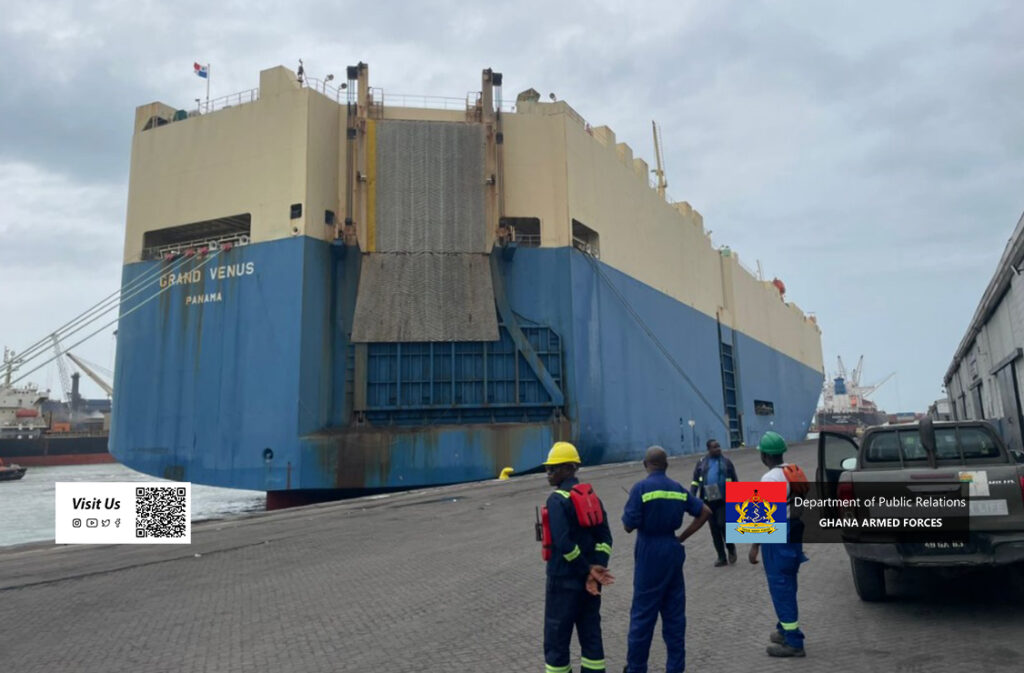
The Ghana Navy arrested ten Nigerian stowaways on 31 October 2025, according to an initial report. The brief notice did not specify the vessel involved, the precise location of the operation, or the conditions of those detained at the time of the arrest. Authorities typically confirm such details after preliminary screening and handover procedures are complete. While information remains limited, the development highlights a recurrent challenge for carriers, port operators, and regional authorities: preventing unauthorized embarkation, safeguarding crew and passengers, and handling stowaway incidents in accordance with international obligations and national law.
Stowaway cases remain a persistent concern in commercial shipping, particularly along busy trade corridors where vessels call at multiple ports and may face pressure to maintain tight schedules. The risks span safety, security, and operational disruption. Ships can encounter hazards when unexpected persons are discovered at sea, including potential medical emergencies, food and water constraints, and the need to alter routes to ensure safe disembarkation. For shipowners and masters, the legal and logistical burden is significant, requiring careful documentation, liaison with authorities, and adherence to established reporting and incident-handling protocols.
Maritime security and regional context
Ghana’s naval and maritime agencies routinely work to deter unauthorized access to ships through coastal patrols, intelligence-sharing, and cooperation with port security. In line with national legislation and international practice, intercepted individuals are generally subjected to identification checks, health screening, and interviews to determine embarkation points and intentions. When nationalities are established, authorities typically coordinate with consular representatives and ship operators to implement repatriation or other lawful outcomes. Such steps are aimed at balancing maritime security imperatives with humanitarian considerations and due process requirements.
For the shipping industry, prevention remains the most effective strategy. Carriers and port facility operators invest in access control, perimeter surveillance, lighting, patrol routes, and tamper-evident seals to detect intrusion attempts, particularly during cargo operations. Crew training focuses on vigilant gangway control, thorough pre-departure searches, and clear reporting lines from deck to shore-based management. The internationally recognized ISPS Code provides a baseline framework for ship and port security assessments, plans, and drills. Yet, implementation on busy terminals with complex cargo flows can be challenging, demanding consistent oversight and continuous improvement.
Regional dynamics further complicate stowaway prevention. West African ports serve diverse trade—from hydrocarbons and agribulk to manufactured goods—drawing high vessel traffic and creating opportunities for unauthorized boarding where security gaps exist. Socioeconomic pressures can drive individuals to attempt dangerous clandestine travel, often with limited understanding of the risks at sea. In such contexts, cooperation among navies, coast guards, immigration services, port authorities, and shipping lines is essential to detect clandestine movement early, reduce incentives for attempts, and streamline lawful, humane resolution when incidents occur.
International guidelines, including those issued by the International Maritime Organization, outline recommended procedures for reporting, safeguarding, and disembarking stowaways. Masters are advised to ensure the safety and basic welfare of those found aboard, maintain accurate records, and notify the next port and relevant authorities without delay. Authorities, in turn, may require evidence to verify identity and embarkation points before approving disembarkation and repatriation. Such processes can be time-consuming, affecting voyage plans and port schedules, but they are central to predictable, rules-based outcomes that respect security and legal standards.
As of the initial report, detailed information about the operation—including the vessel name, last port of call, and the subsequent disposition of the detainees—was not available. Further statements from Ghanaian authorities are typically expected as investigations progress and coordination with foreign missions advances. The incident, first noted by Maritimafrica, underscores the ongoing need for layered security at terminals, proactive shipboard measures, and consistent interagency coordination. Until additional details emerge, the case serves as a reminder that vigilance, preparedness, and clear procedures remain the shipping sector’s best defenses against stowaway incidents.


Sign up free to ask CAMAL AI for a summary, the key points or anything else about this story.
Related stories
CAMAL AI
 Financial Ports Newsletter
The maritime economy, every morning
Ports, shipping and freight markets in one short email. Free.
Financial Ports Newsletter
The maritime economy, every morning
Ports, shipping and freight markets in one short email. Free.



