

The International Hong Kong Convention for safe and sustainable ship recycling comes into force after more than 15 years of waiting
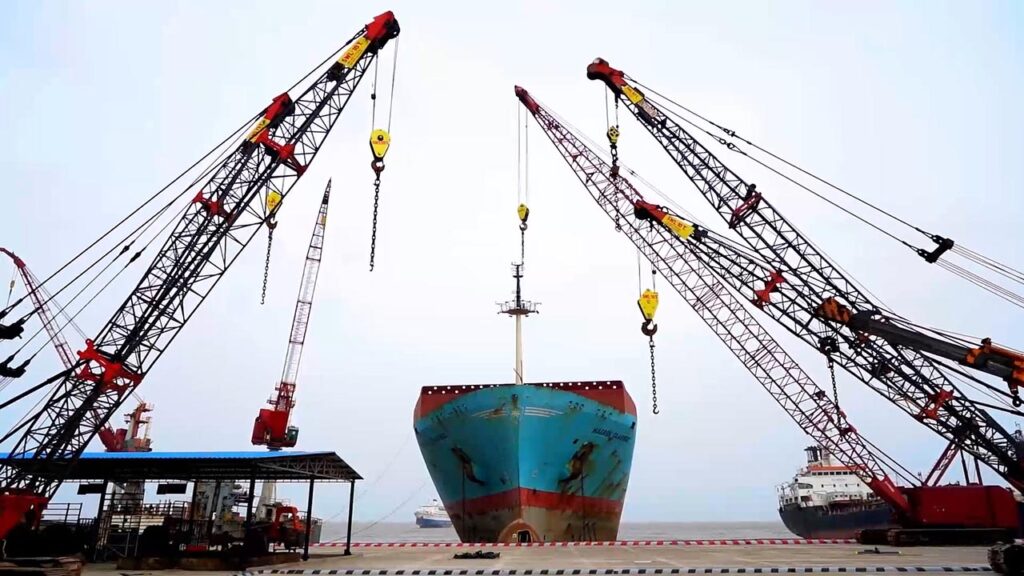
On June 26, 2025, the International Hong Kong Convention for the safe and environmentally sound recycling of ships (HKC) came into force. More than 15 years after its adoption on June 9, 2009, by the International Maritime Organization (IMO), this agreement establishes global standards and imposes responsibilities and obligations on all parties involved in the ship recycling process.
For the Secretary-General of the International Chamber of Shipping (ICS), the Greek Thomas Kazakos, the entry into force of the Convention is a historic milestone that comes after two decades of work. “At ICS, we have long advocated for safe and sustainable ship recycling practices. Now that the Hong Kong Convention has entered into force, we can expect even greater progress worldwide,” Kazakos stated.
The HKC was adopted at a diplomatic conference in China, with contributions from IMO member states, non-governmental organizations, the International Labour Organization (ILO), and the parties to the Basel Convention. The treaty covers the entire life cycle of ships, from design and construction to operation and preparation for recycling. Among its main obligations, it requires ships over 500 GT to maintain an updated inventory of hazardous materials (IHM), certified and verified, detailing substances such as asbestos, chemicals harmful to health and the environment, heavy metals, and hydrocarbons. Furthermore, only authorized recycling facilities may dismantle ships and must have a Ship Recycling Facility Plan covering workplace safety, environmental controls, emergency response, waste management, and record keeping.
The maritime sector has welcomed the HKC’s entry into force with optimism. According to David Loosley, Secretary-General of BIMCO, “the convention has the potential to change the face of ship recycling, support the circular economy, and provide safe jobs to those who need them most.”
In the coming years, the HKC will face several challenges. The first is ensuring its effective implementation and strengthening its provisions, with more than 15,000 ships awaiting recycling, according to BIMCO, in the 24 States that have ratified the Convention, including some of the world’s leading ship recycling nations.
Additionally, differences between the HKC and the Basel Convention guidelines or the European Union Ship Recycling Regulation—which came into force in 2013 and has yet to approve any ship recycling facilities in the Indian subcontinent—must be resolved.
The entry into force of the Hong Kong Convention represents a crucial step, but ongoing monitoring and continuous improvement will be essential to transforming the ship recycling sector in a safe and sustainable manner.


Sign up free to ask CAMAL AI for a summary, the key points or anything else about this story.
Related stories
CAMAL AI
 Financial Ports Newsletter
The maritime economy, every morning
Ports, shipping and freight markets in one short email. Free.
Financial Ports Newsletter
The maritime economy, every morning
Ports, shipping and freight markets in one short email. Free.



