

Syrian Ports Receive Ukrainian Wheat Shipments
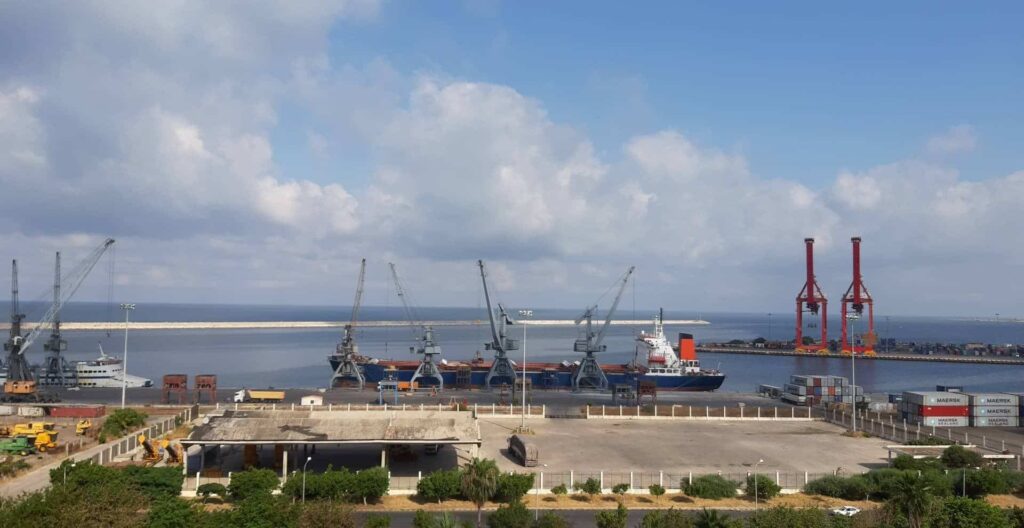
Syrian ports have received Ukrainian wheat shipments, according to a brief post published by Ports Europe. The notice provides a high-level update and, at the time of publication, does not elaborate on timing, volumes, vessels, or specific terminals involved. The development, while succinctly stated, signals a movement of wheat cargoes that warrants closer monitoring by market participants and policy observers.
As of now, no additional details were provided in the source post. There is no accompanying documentation, voyage data, or official statement cited that would clarify the origin points, contractual arrangements, or discharge locations. In the absence of such information, this report is noted as an indicator of activity rather than a comprehensive account of the shipment chain.
The lack of granularity is not unusual for early notices in maritime trade. Routine confirmation for cargo movements typically involves triangulating bills of lading, port agency updates, terminal line-ups, or ship-tracking records, none of which are included in the source summary. Until such corroboration emerges, the report should be treated as a preliminary signal and interpreted with caution by stakeholders.
Limited Details and Broader Context
Wheat is a foundational commodity in international trade, and its movement is often a bellwether for broader supply-chain dynamics. In standard practice, bulk carriers, charter agreements, and port handling arrangements determine how quickly grain cargoes move from origin elevators to destination silos. Variations in logistics—such as vessel size, berth availability, inspection protocols, and weather—can materially affect transit times and discharge rates.
In any grain shipment, due diligence commonly includes quality certification, sanitary and phytosanitary checks, and alignment with import regulations at the receiving country’s ports. Operationally, coordination among shippers, shipowners, port authorities, and surveyors is crucial to ensure the cargo meets contractual specifications and local compliance requirements. Documentation consistency across these touchpoints is a key indicator of successful delivery.
When reports surface with limited specifics, market analysts typically seek secondary confirmation. Publicly accessible tools—such as vessel AIS tracks, port call databases, terminal schedules, and customs bulletins—can provide corroboration, though each source has limitations. Independent verification may also come from commodity trade publications that compile ship line-ups, cargo manifests, or brokerage notes, subject to their own verification standards.
It is equally important to distinguish between planned, en route, and completed deliveries. Announcements may describe intended movements, while the operational reality can shift based on charter party terms, insurance, clearance procedures, or evolving port conditions. In this case, the source communicates arrivals to Syrian ports, but does not specify whether the cargoes represent partial discharges, transshipments, or completed deliveries across one or more terminals.
For risk managers and supply planners, the immediate next steps are straightforward: monitor for official notices from port authorities, look for terminal discharge updates, and assess whether shipping agents or surveyors release corroborating data. Traders may also watch futures spreads and basis movements for signals that align with physical arrivals, while logistics teams evaluate berth congestion and storage throughput indicators.
Transparency remains essential. Without quantified volumes, vessel identities, or schedule details, the market impact of these reported arrivals cannot be responsibly assessed. Assertions about price effects, policy implications, or downstream distribution would be speculative absent further evidence. As always, material claims should be independently verified before they inform operational or strategic decisions.
In sum, the core confirmed element is that Ukrainian wheat shipments have reached Syrian ports, as stated by Ports Europe. Additional documentation or official confirmation would enable a fuller understanding of the shipment scope and commercial context. Until then, prudent analysis emphasizes the distinction between initial signals and validated, comprehensive reporting.


Sign up free to ask CAMAL AI for a summary, the key points or anything else about this story.
Related stories
CAMAL AI
 Financial Ports Newsletter
The maritime economy, every morning
Ports, shipping and freight markets in one short email. Free.
Financial Ports Newsletter
The maritime economy, every morning
Ports, shipping and freight markets in one short email. Free.