

Shandong Oil Port Moves to Ban Shadow Fleet Tankers
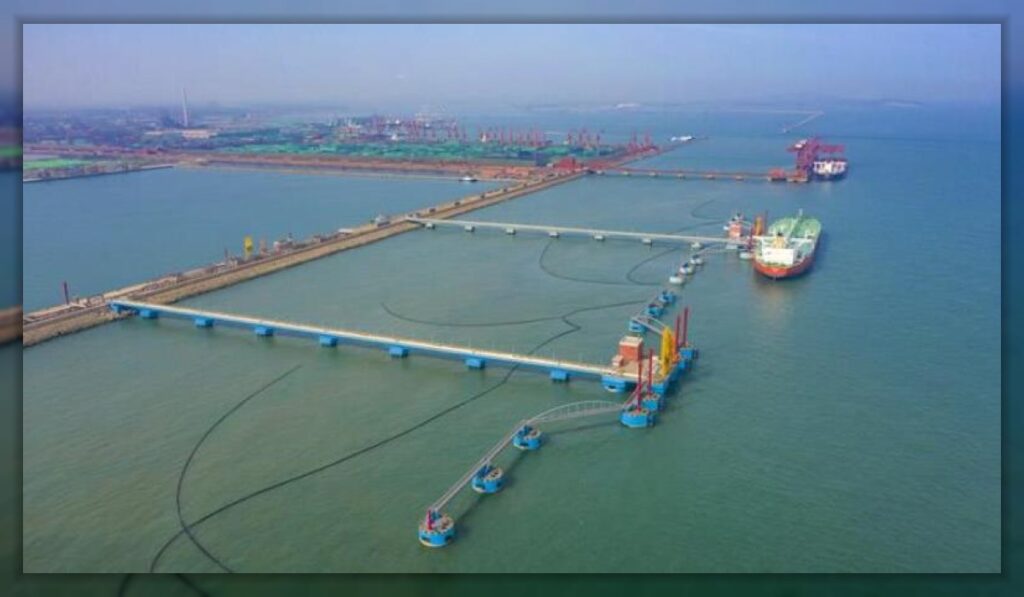
Terminal operators at a major oil port in east China’s Shandong province are preparing to introduce measures that would ban so‑called shadow fleet vessels and restrict calls by older tankers, according to an official notice seen by Reuters and corroborated by a tanker‑tracking source. The move underscores heightened scrutiny of vessel provenance, documentation and safety standards at one of China’s key crude import gateways, even as global oil flows continue to adjust to shifting risk and compliance dynamics.
The notice, as described by Reuters and a tanker tracker, indicates that port terminals will prohibit shadow fleet vessels and seek to curb arrivals by old tankers. While the documents referenced do not publicly spell out the full criteria or timing, the direction of travel is clear: operators intend to narrow access for ships whose ownership, insurance or technical status may be difficult to verify, and to reduce exposure associated with aging hulls.
What a Ban Could Mean for Shipping
In industry parlance, the “shadow fleet” broadly refers to older tankers that operate with opaque ownership structures, change flags and names frequently, and may lack transparent insurance and classification. These ships often trade outside mainstream vetting systems, complicating due diligence for ports, terminal operators, and charterers. Even without formal sanction designations, incomplete or inconsistent documentation can trigger heightened caution among stakeholders responsible for health, safety and environmental performance in busy oil hubs.
If enforced as described, the measures could reshape vessel traffic patterns into Shandong, a region that regularly receives crude via a mix of international tankers. Charterers relying on older ships could face tighter lead times, more rigorous pre‑arrival checks, and potential rerouting to ports with different risk tolerances. Freight costs for compliant, well‑documented tonnage may firm if demand shifts toward younger vessels with clear insurance and classification coverage, while the least transparent ships could see their trading opportunities narrow.
Ports and terminals carry significant liability for any incident within their jurisdiction, from oil spills to structural failures. As a result, they typically weigh vessel age, maintenance records, class status, and insurance arrangements when granting access. Market participants note that older tonnage can present elevated operational risks, including mechanical issues and safety non‑conformities, which in turn can raise insurance premiums or limit cover. Stricter gatekeeping at terminals, therefore, aligns with efforts to de‑risk operations and maintain continuous compliance with international conventions and local regulations.
For shipowners and operators, a sharper line against opaque fleets translates into higher documentation standards and, potentially, capital spending to keep vessels compliant. This can include timely surveys, verifiable insurance, and robust safety management systems that withstand vetting. Traders and refiners, meanwhile, may recalibrate their chartering strategies to prioritize vessels with unambiguous ownership trails and recognized insurance providers, minimizing the risk of delays or denial of entry at the berth.
The reported plan also carries broader signaling power across regional maritime networks. When a major oil port tightens access, neighboring terminals and counterparties often reassess their own acceptance policies to avoid becoming a fallback for higher‑risk traffic. Over time, such shifts can nudge the market toward younger, better‑documented tonnage and reduce the operational space for vessels that struggle to meet mainstream vetting thresholds. In parallel, tanker‑tracking firms and counterparties may intensify monitoring of flag changes, ownership transfers, and AIS behavior as part of routine diligence.
The notice cited by Reuters and a tanker tracker indicates intent but leaves several practical details to be clarified, including precise enforcement mechanisms, any transitional arrangements, and the specific benchmarks that will define “old” or “shadow” status in this context. Until those elements are set out by the terminal operators, market participants are likely to prepare for stricter vetting while awaiting formal guidance. What is unambiguous is the direction: less tolerance for opacity and elevated risk profiles in one of the most sensitive nodes of the crude supply chain.


Sign up free to ask CAMAL AI for a summary, the key points or anything else about this story.
Related stories
CAMAL AI
 Financial Ports Newsletter
The maritime economy, every morning
Ports, shipping and freight markets in one short email. Free.
Financial Ports Newsletter
The maritime economy, every morning
Ports, shipping and freight markets in one short email. Free.



