

Second Russian Arctic LNG Tanker Docks at Chinese Port
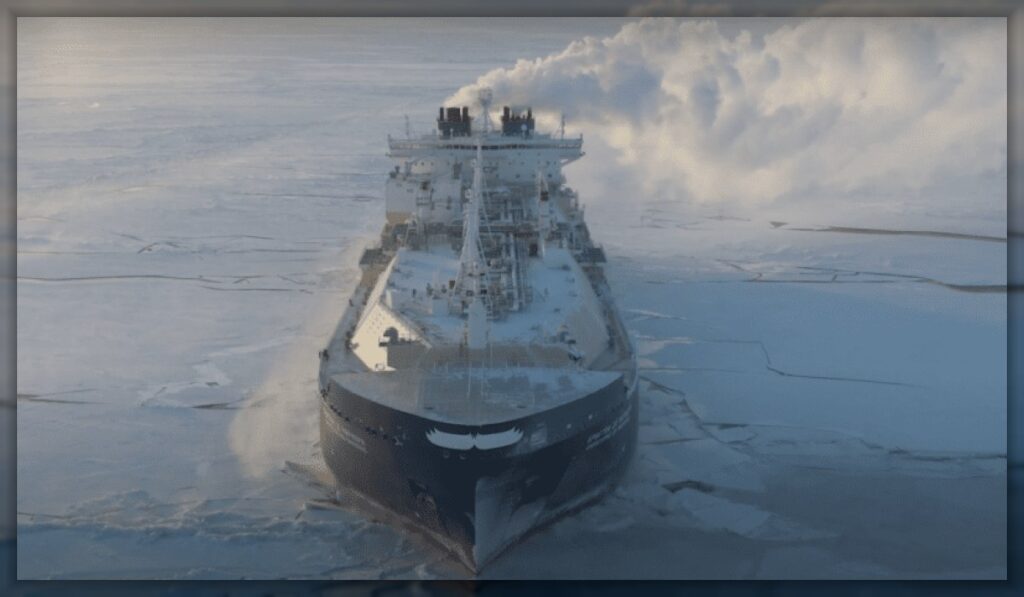
By Che Pan and James Pomfret — Beijing/Hong Kong, Sept 6: Another tanker carrying liquefied natural gas from Russia’s sanctioned Arctic LNG 2 project has docked at a Chinese port, according to ship-tracking data. It is the second known tanker to make such a call, underscoring how cargoes linked to the sanctioned project continue to move into Asia. The development, based on publicly available signals and port-call indicators, adds a new data point to evolving trade patterns as operators navigate restrictions. Reuters did not provide details on the vessel identity, cargo size, or commercial terms in the excerpt available.
The Arctic LNG 2 project has been under constraints that complicate routine trade, financing, and logistics. While the report confirms a docking in China, it does not specify the receiving terminal, contractual counterparts, or the timing of discharge operations. As with similar movements, the shipment’s handling would typically involve a web of maritime services—from classification and insurance to documentation—areas that can be affected when a project is under sanction. The docking nevertheless points to operational pathways that some participants continue to use to bring Russian LNG to market.
Sanctions Shadow and Trade Implications
Sanctions on specific projects can reshape both the physical and financial architecture of energy trade. In practice, that can mean alternative routing, careful selection of service providers, or changes in ownership and chartering structures to comply with applicable regimes. The reported docking suggests that, despite these constraints, LNG tied to the project is reaching end markets. However, the available account does not disclose whether the cargo transited via intermediaries, whether transshipment was used, or whether the vessel performed ship-to-ship operations before arrival—details that are often pivotal in such flows.
Natural Gas
China is a major LNG consumer, and any additional cargoes—regardless of origin—can influence short-term supply dynamics, especially during periods of seasonal demand or price volatility. Yet the report excerpt offers no pricing, volume, or scheduling information that would allow a definitive assessment of market impact. Without those specifics, the development is best understood as a signal event rather than a dataset: one more indication that sanctioned-linked LNG is appearing at Asian ports, and a reminder that the global gas trade remains adaptive under policy and regulatory pressure.
For companies involved in shipping, compliance remains central. Operators typically evaluate exposure to primary and secondary sanctions, review screening procedures for vessels and counterparties, and validate the availability of insurance and banking channels. Even when a shipment reaches a destination, questions can persist about how financing, payment clearing, and risk allocation were structured. The reported docking therefore raises broader issues for traders, charterers, and insurers who monitor precedent-setting voyages to gauge what may or may not be feasible in the current environment.
Public maritime intelligence—especially AIS-based tracking—has become a critical tool for monitoring energy flows. While such data can corroborate port calls and voyage tracks, it is not a substitute for commercial documents or official statements. The report cites tracking information to confirm the Chinese call, but it does not elaborate on the entire voyage history, cargo custody, or inspection records. In the absence of those details, analysts can confirm the location event while remaining cautious about inferring the full commercial narrative behind the movement.
The identification of a second such docking, even without granular documentation, will likely keep attention on the intersection of sanctions enforcement and energy security in Asia. It remains unclear whether this reflects an emerging pattern or isolated voyages proceeding under highly specific circumstances. What is clear from the limited information is that the shipment occurred and was observable in tracking datasets. Further disclosures from authorities, companies, or terminals would be necessary to detail the mechanics of the trade, the commercial arrangements, and any additional compliance safeguards applied to the cargo.


Sign up free to ask CAMAL AI for a summary, the key points or anything else about this story.
Related stories
CAMAL AI
 Financial Ports Newsletter
The maritime economy, every morning
Ports, shipping and freight markets in one short email. Free.
Financial Ports Newsletter
The maritime economy, every morning
Ports, shipping and freight markets in one short email. Free.



