

Peru plans national port network to reshape regional logistics
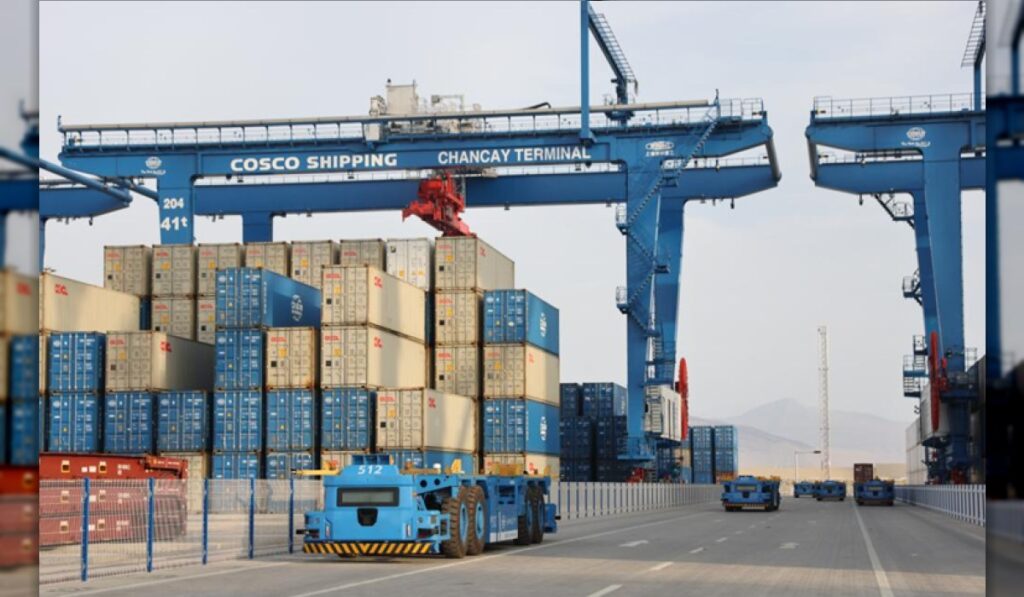
Peru is planning a national port network intended to redefine the regional logistics map, according to trade outlet MasContainer. While the announcement signals an elevated maritime ambition, the information publicly available so far is limited to the plan’s broad intent. No official documentation, cost estimates, or phased timelines were provided in the cited report. Even so, the framing suggests a coordinated approach to port development and operations, with the potential to influence cargo flows, service reliability, and how Peru positions itself within Pacific and South American trade dynamics.
The message embedded in the initiative is straightforward: Peru aims to move from incremental upgrades toward a system-level strategy for maritime gateways. If effectively designed and implemented, a national network could knit together ports, hinterland links, and logistics services in a way that improves throughput, predictability, and overall competitiveness. It also implies an aspiration to strengthen Peru’s role in regional supply chains, potentially altering routing decisions by shippers, carriers, and logistics providers who weigh cost, time, and risk across multiple corridors.
Key questions and regional context
Clarity on the initiative’s architecture will be decisive. In similar efforts globally, core questions typically include how a government will structure oversight, how private operators will be engaged, and how performance will be measured. The MasContainer reference underscores the intent but does not outline a governance blueprint. Observers will therefore look for subsequent briefings that define responsibilities among authorities, concessionaires, and terminal operators, and that explain how national objectives will be translated into port-level investments, operating standards, and service commitments across the network.
Effective governance determines whether a multi-port system becomes more than the sum of its parts. Clear rules on planning, capacity allocation, and competition policy are needed to prevent overlap while preserving incentives for innovation and service quality. Transparent data on volumes, dwell times, and reliability can underpin performance contracts and help align terminal productivity with network goals. In addition, coordination with customs, pilotage, and maritime safety authorities is essential to deliver measurable gains in vessel turnaround and inland delivery times.
Integration with the interior will likely be a central test. Enhanced connectivity between ports and inland nodes—through road, rail, and intermodal facilities—can reduce bottlenecks that frequently negate quayside efficiency. Even modest steps, such as synchronized gate operations, standardized appointment systems, or expanded staging areas, can improve reliability. For a national network to function as advertised, the interfaces between seaports and distribution hubs need to be planned and operated as one system, rather than as isolated projects that compete for the same flows.
Equally important is the information layer. Modern networks hinge on digitalization that enables real-time visibility, streamlined documentation, and predictable handoffs among carriers, terminals, and truckers. Establishing interoperable platforms and common data standards can reduce delays, errors, and administrative costs, while giving authorities and users a clearer view of capacity and congestion. If Peru’s plan prioritizes data quality and transparency, it could shorten dwell times and make service outcomes more consistent for importers and exporters.
Resilience and environmental performance are no longer ancillary considerations; they are core to long-term viability. A network approach can embed sustainability by aligning equipment standards, energy choices, and yard practices across facilities. It can also prioritize climate adaptation for quays, yards, and access roads exposed to weather extremes. Building resilience into planning—through redundancy, diversified inland options, and contingency protocols—helps protect trade flows during disruptions, whether from storms, strikes, or upstream supply shocks.
Financing and sequencing will shape credibility. Without clear investment pathways and milestones, system-level ambitions risk stalling at the concept stage. Authorities typically need to balance quick-win upgrades with long-lead projects, while ensuring that procurement and concessions attract capable operators. The MasContainer report flags the national intent; subsequent official releases will need to specify how projects are prioritized, how private capital is mobilized, and how accountability is enforced to convert strategy into measurable performance gains.
Regionally, the phrase “redefine the map” signals an expectation of competitive and cooperative effects beyond national borders. If Peru ultimately aligns port services, inland links, and digital processes under a single framework, shipping lines and cargo owners may reassess routings and service configurations. That recalibration, however, depends on details yet to be disclosed. For now, the initiative stands as a statement of direction: a national port system designed to elevate reliability, scale, and integration in a way that could resonate across South American trade networks.


Sign up free to ask CAMAL AI for a summary, the key points or anything else about this story.
Related stories
CAMAL AI
 Financial Ports Newsletter
The maritime economy, every morning
Ports, shipping and freight markets in one short email. Free.
Financial Ports Newsletter
The maritime economy, every morning
Ports, shipping and freight markets in one short email. Free.