

More shippers turn to FMC, naming DB Schenker USA and Wallenius Wilhelmsen in new complaints
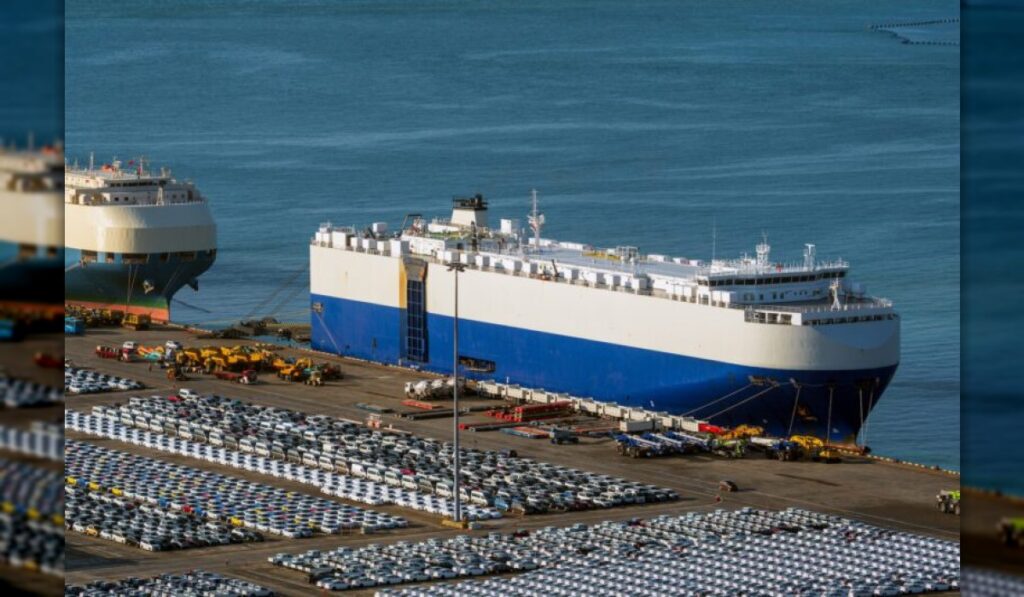
Shippers have filed new complaints with the U.S. Federal Maritime Commission (FMC), adding to a steady stream of cases brought in recent months. According to the latest filings, DB Schenker USA and Wallenius Wilhelmsen are the newest operators to find themselves in the regulatory spotlight. While the specific claims in these cases were not immediately detailed, the move signals continuing tensions in the maritime supply chain as customers seek remedies through the regulator’s formal complaint process.
The rise in complaints reflects persistent unease among cargo owners and logistics customers who continue to navigate complex, sometimes opaque, ocean shipping practices. Disputes frequently arise over charges, service levels, and contractual expectations, even as capacity and schedules have stabilized from earlier disruption peaks. By turning to the FMC, complainants aim to clarify obligations and pursue redress where they believe practices have fallen short of legal or contractual standards.
The FMC’s process allows complaints to be docketed, with respondents given an opportunity to answer and the Commission empowered to oversee discovery, settlement discussions, or administrative proceedings. Outcomes can include directives to adjust practices and, where appropriate, reparations. Many matters conclude via negotiated resolution; others proceed to formal adjudication. Regardless of path, FMC oversight remains a central avenue for resolving commercial grievances tied to U.S.-foreign ocean trades.
Wallenius Wilhelmsen
What the new FMC filings could mean for the market
Both companies named in the new filings are prominent industry actors. DB Schenker USA is a major logistics operator serving U.S. importers and exporters across multiple transport modes. Wallenius Wilhelmsen is a global shipping and logistics group with significant exposure to international trade flows. Their inclusion underscores how regulatory scrutiny can extend across the maritime ecosystem, from carriers to third-party logistics providers, whenever customer relationships and service outcomes are contested.
For the broader market, the latest complaints highlight the stakes around predictability, cost transparency, and performance accountability. Shippers are prioritizing clearer rules on charges and stronger guardrails on service delivery as they plan inventories and contract cycles. Carriers and logistics providers, meanwhile, face mounting pressure to demonstrate consistent compliance and to document how they apply tariffs, surcharges, and operational policies across diverse trade lanes and customer segments.
Next steps will hinge on the FMC’s handling of the dockets, including timelines for responses and any preliminary rulings that may shape the scope of the cases. Public updates typically emerge through Commission notices and docket postings, providing industry observers with cues on enforcement priorities and procedural pace. With DB Schenker USA and Wallenius Wilhelmsen now among the latest names attached to new complaints, market participants will be watching for signals that could influence future contract negotiations, risk management strategies, and day-to-day operational practices.


Sign up free to ask CAMAL AI for a summary, the key points or anything else about this story.
Related stories
CAMAL AI
 Financial Ports Newsletter
The maritime economy, every morning
Ports, shipping and freight markets in one short email. Free.
Financial Ports Newsletter
The maritime economy, every morning
Ports, shipping and freight markets in one short email. Free.



