
Malaysian SAR Rescues Crew After Cargo Ship’s Hull Cracks
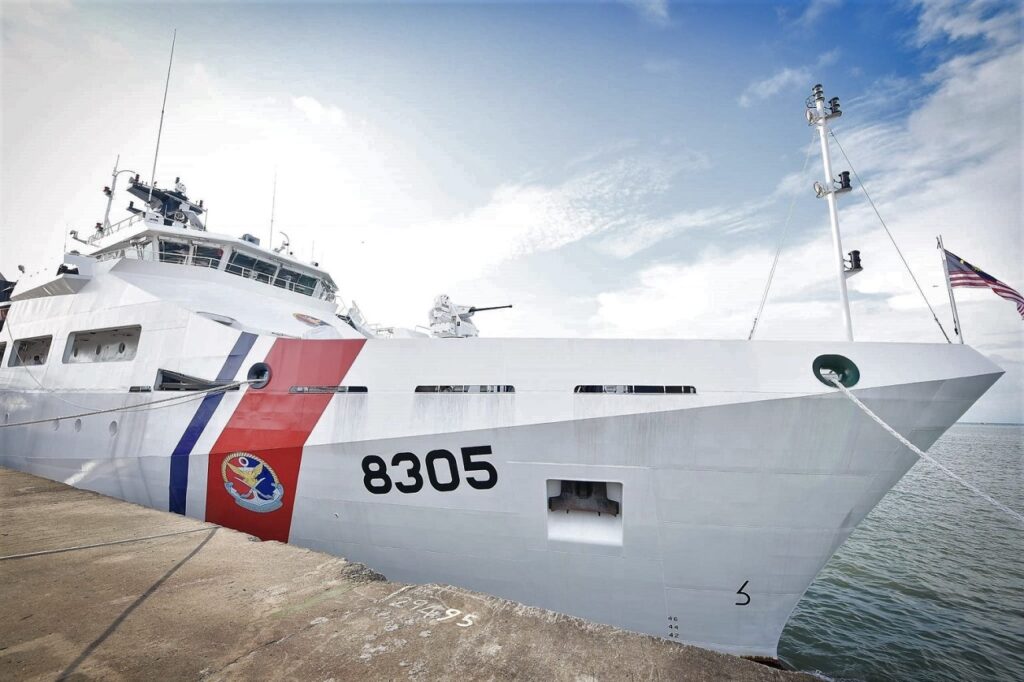
In a dramatic rescue operation, the Malaysian Maritime Enforcement Agency (MMEA) successfully saved 10 crewmembers from a coastal general cargo ship that developed a severe hull crack and subsequent flooding. The vessel, named Kum Jin, issued a distress call early this morning after reporting significant water ingress.
Kum Jin, a vessel built in 1988, was operating locally in Malaysian waters. Registered in Mongolia and managed from Malaysia, the 2,200 dwt ship measured 229 feet (70 meters) in length. The vessel’s age and recent operating conditions likely contributed to the structural failure.
The MMEA received the distress message at 0335 hours on July 8. The report indicated that the ship’s hull had cracked forward on the port side near the ballast tank, leading to severe flooding. The urgency of the situation was clear as the crew struggled to manage the rapidly escalating water levels.
Upon receiving the distress call, the MMEA quickly dispatched a rescue boat to the scene. The rescue operation took place west of Tanjung Rhu, south of Kuala Lumpur, in the busy waters of the Malacca Strait. When the rescue team arrived, they found the captain and nine crewmembers abandoning ship and heading towards the lifeboat.
Timely Intervention Saves 10 Crewmembers Amid Severe Flooding
Despite challenging weather conditions, the MMEA managed to transfer all 10 crewmembers safely to the patrol boat. The crew consisted of the captain, who was Indonesian, and crewmembers from Indonesia and Myanmar. The prompt action of the MMEA ensured that all personnel were safely brought to shore without any injuries.
Following the rescue, the MMEA assessed the vessel’s condition and determined it was beyond saving. The Kum Jin ultimately sank later in the day. This incident highlights the critical role of maritime safety and rescue operations, especially for older vessels that may be prone to structural issues.


This rescue operation underscores the importance of maintaining and upgrading older ships. As vessels age, the risk of structural failures increases, necessitating rigorous inspections and adherence to safety protocols. The timely intervention by the MMEA prevented what could have been a tragic loss of life.
The Malacca Strait, one of the world’s busiest shipping lanes, sees a high volume of maritime traffic. Incidents like this emphasize the need for robust search and rescue capabilities to respond to emergencies swiftly. The MMEA’s quick response and effective coordination with the ship’s crew exemplify the agency’s readiness to handle such crises.
The rescued crew members are reportedly in good health and are currently being assisted by local authorities. Investigations into the cause of the hull crack and the vessel’s maintenance history are expected to follow. This will likely involve scrutinizing the ship’s recent operations and any possible lapses in maintenance that could have led to the structural failure.
The incident serves as a reminder of the inherent risks in maritime operations, particularly for vessels operating in challenging environments. It also highlights the need for continuous improvement in safety standards and emergency preparedness in the maritime industry.
Maritime authorities globally can learn from this incident, reinforcing the necessity for stringent safety checks and readiness to deal with emergencies. The MMEA’s successful rescue operation not only saved lives but also provided a blueprint for handling similar incidents in the future.


Regístrate gratis para pedirle a CAMAL AI un resumen, las claves o lo que quieras sobre esta noticia.

Noticias relacionadas
CAMAL AI