
Livorno’s Gestione Bacini to modernise Maregiglio ferry
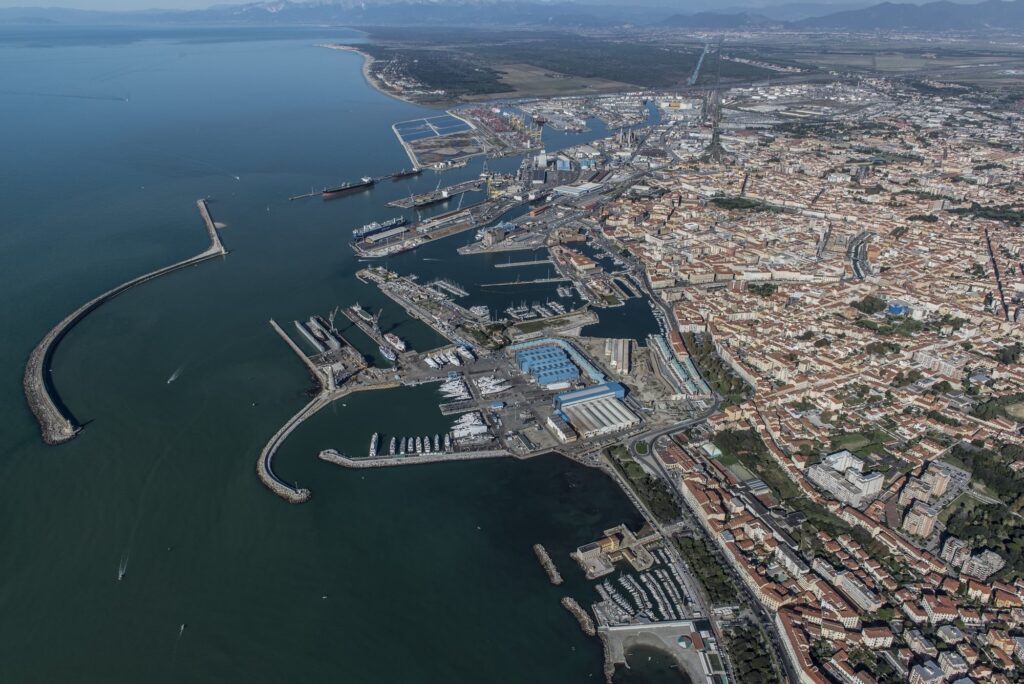
Livorno’s Gestione Bacini has secured a deal to modernise a Maregiglio ferry, according to a brief notice published by Ports Europe. The announcement did not disclose the vessel’s name, contract value, project scope or schedule. It simply confirmed the award and the intended modernisation of a ferry associated with Maregiglio. While concise, the item signals a concrete step toward yard work under the supervision of the Livorno-based firm. No further comments were available at the time of publication.
The development underscores continuing demand for lifecycle upgrades in the short-sea and regional ferry segment. Shipowners regularly seek refurbishments to address wear, improve reliability, and align older assets with prevailing operational expectations. Absent to date are particulars on whether the planned works will centre on machinery, safety equipment, interiors, structural maintenance, or a combination thereof. Without official detail, any characterisation beyond the announcement would be speculative, and the scope of the contract remains undisclosed.
Industry context and limited disclosures
In general terms, ferry modernisation programmes can include hull conservation, steel repairs, propulsion and auxiliary machinery overhauls, upgrades to electrical and control systems, improvements to lifesaving appliances, and refits of passenger areas. Projects may also address vibration, noise and fuel-efficiency through careful maintenance or component selection. None of these elements has been specified for this case; they are cited only as typical options available to owners pursuing yard work. The breadth of a modernisation determines duration, budget and operational impact, and careful planning is often required to coordinate yard slots with service commitments for a working ferry.
Initial notices of this kind frequently omit specifics until procurement, engineering surveys and scheduling are finalised between owner and yard. The limited disclosure here is consistent with that pattern. More granular information—such as the selected yard period, defined work list, and testing protocols—usually follows once contracts are executed and logistics are settled. Until then, the only confirmed fact remains that a contract has been awarded to undertake modernisation work on a Maregiglio-linked vessel.
For the brand cited in the notice, an upgrade typically aims to extend service life, bolster availability and enhance the passenger experience, subject to the exact scope chosen. Owners often leverage such yard time to rectify deferred maintenance alongside targeted improvements, reducing future downtime. Depending on configuration, work may range from replacement-in-kind of aged components to selective enhancements intended to improve reliability. Without a published specification, however, it is not possible to infer which path will be taken in this instance.
From an operational perspective, established yards provide predictable processes for quality control, classification interventions and post-refit trials. Communication between owner, class, and contractor is central to meeting safety and performance targets while maintaining schedule discipline. A capable shipyard will typically stage tasks to compress critical-path activities and rigorously document testing, allowing operators to re-enter service with confidence once acceptance criteria are met.
Stakeholders will now watch for official statements clarifying identity of the vessel, the nature and extent of work, the projected timeframe and any operational implications during the yard period. Confirmation of scope and timeline will help determine the likely impact on deployment and maintenance planning. Until those details emerge, the current position is straightforward: a Livorno-based shipyard has been selected to carry out modernisation on a ferry associated with Maregiglio, as reported by Ports Europe.


Sign up free to ask CAMAL AI for a summary, the key points or anything else about this story.
Related stories
CAMAL AI
 Financial Ports Newsletter
The maritime economy, every morning
Ports, shipping and freight markets in one short email. Free.
Financial Ports Newsletter
The maritime economy, every morning
Ports, shipping and freight markets in one short email. Free.