

ECSA European Shipowners presents two studies on the value and competitiveness of the maritime sector at the ESS in Brussels
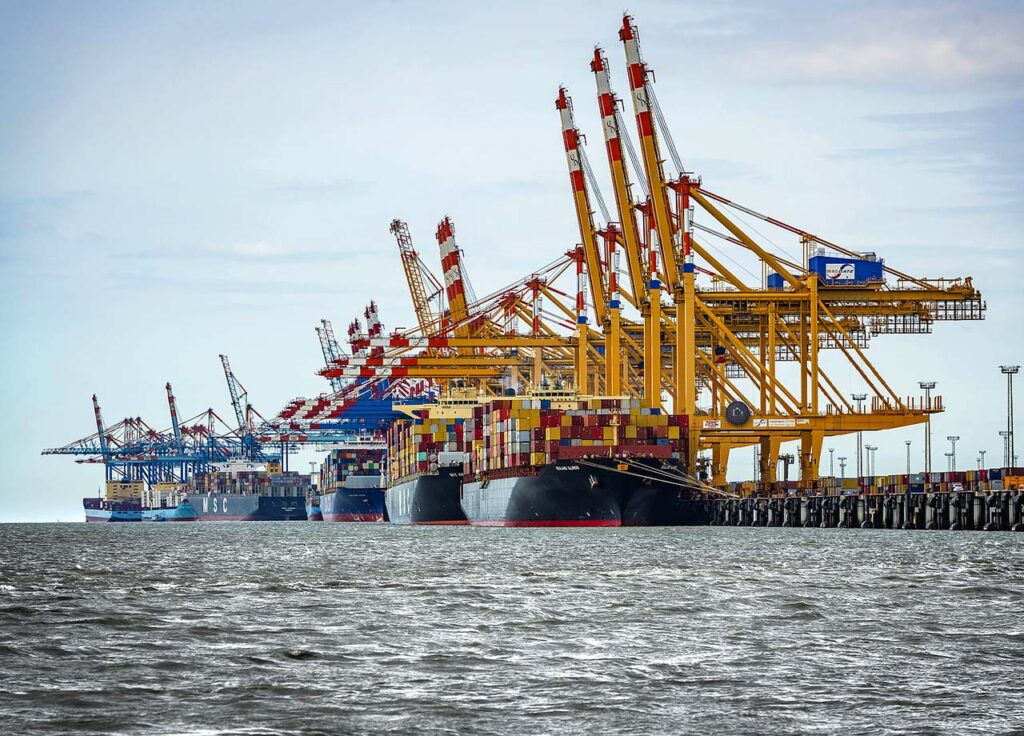
The fleet controlled by European shipowners accounts for 35% of the world’s fleet in tonnage, according to a study by the CE Delft institute on the economic value of the European shipping sector (The economic value of the European shipping sector), presented on March 19 by European shipowners (ECSA European Shipowners) during the European Shipping Summit 2025 (ESS2025) in Brussels, Belgium.
According to this study, European shipping controls 30% of global tonnage in the bulk carrier sector, 44% in container ships, 35% in oil tankers, and 33% in LNG carriers, making it a key player in global maritime trade.
European shipowners also presented a second report, this time prepared by consulting firm Deloitte, EU Shipping Competitiveness Study International benchmark analysis, on the competitiveness of European shipping and how it serves as a geopolitical asset for the continent, facilitating the export and import of goods, food, and energy.
Natural Gas
This study highlights that the EU is facing fiercer international competition than ever. The European fleet is growing steadily, but other fleets are expanding even faster. As geopolitical uncertainty increases, European shipping should be considered a geopolitical asset, strengthening the EU’s leadership in global supply chains.
According to Deloitte, the current regulatory and fiscal framework of the EU supports a competitive European shipping sector. However, it also highlights key areas for improvement, such as reducing the investment gap for adopting clean technologies and fuels, decreasing administrative burdens, and aligning with international regulations.
For the Secretary-General of ECSA European Shipowners, Sotiris Raptis, “shipping is the cornerstone of European energy security and supply chains, and it is at the forefront of the energy transition. It accounts for 35% of the global fleet compared to the EU’s 15% share of global GDP. To keep European shipping as a geopolitical asset, we need to maintain its international competitiveness and invest in the energy transition. National and EU revenues from the EU ETS must be reinvested in the sector and directed towards clean technologies and fuels that will make the entire maritime sector more competitive.”


Sign up free to ask CAMAL AI for a summary, the key points or anything else about this story.
Related stories
CAMAL AI
 Financial Ports Newsletter
The maritime economy, every morning
Ports, shipping and freight markets in one short email. Free.
Financial Ports Newsletter
The maritime economy, every morning
Ports, shipping and freight markets in one short email. Free.



