

Brittany Ferries launches hybrid Saint-Malo on Bilbao route
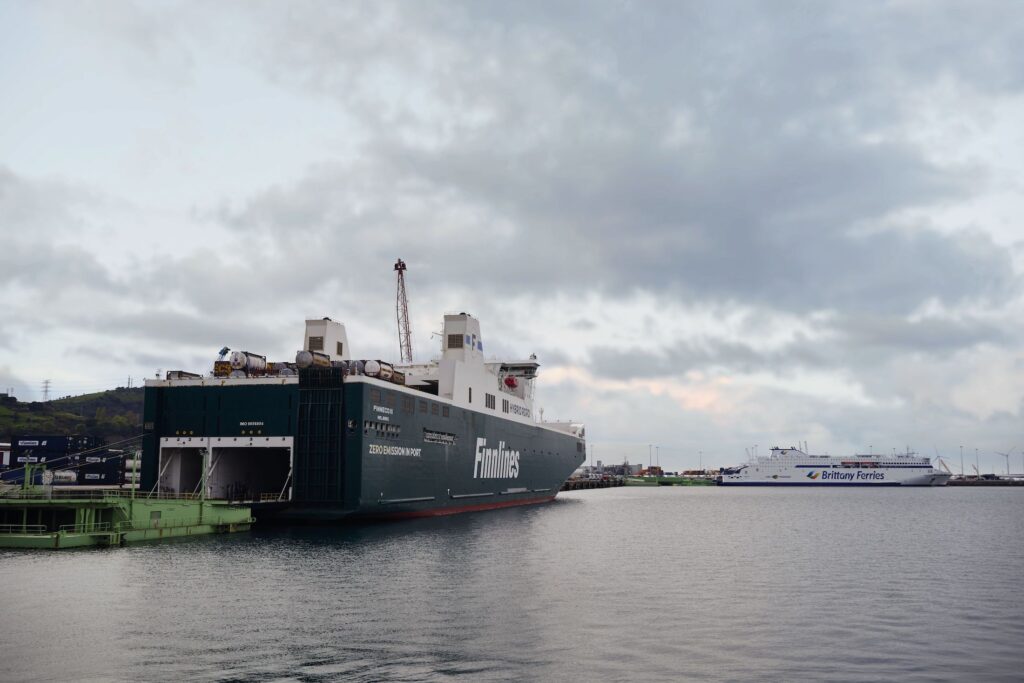
Brittany Ferries has introduced the hybrid vessel Saint-Malo on the Bilbao route, according to a brief report by Ports Europe. The announcement underscores the ferry sector’s gradual pivot toward cleaner operations, even as specific operational and technical details are yet to be made public. The introduction suggests a strategic intent to align services with evolving environmental and efficiency expectations on a high-profile corridor. No timeline, configuration data, or service frequency information accompanied the notice, but the move signals incremental adaptation in a market closely watched for practical progress on emissions reduction and fleet modernization.
Hybrid deployment, while defined differently across operators and platforms, generally implies combining more than one power source to optimize fuel use and emissions across varied operating profiles. In ferry services, this can translate into fuel savings during maneuvers, quieter port calls, and the potential for lower overall emissions, depending on the technology employed and the route’s operational realities. By assigning a hybrid ship to Bilbao, Brittany Ferries indicates a pragmatic approach that prioritizes an established route where incremental gains in efficiency and environmental performance could be both measurable and visible.
Hybrid deployment on the Bilbao corridor
The Bilbao corridor is a prominent conduit for passengers and freight, where operators must balance reliability, cost control, and environmental responsibilities. Introducing Saint-Malo on this route may enhance operational flexibility, especially in port approaches and low-speed segments, where hybrid systems can deliver advantages. The announcement does not specify the vessel’s power architecture, energy storage, or integration with shoreside infrastructure, leaving open important questions about the scope of emissions reductions and the practical extent of hybrid operation under real-world conditions.
From a commercial standpoint, visible steps toward cleaner operations can support brand positioning and stakeholder confidence at a time when customers, communities, and regulators increasingly scrutinize maritime footprints. A hybrid assignment can also serve as a platform for internal learning, allowing crews and technical teams to refine procedures, gather performance data, and calibrate maintenance regimes. Such incremental, route-based deployments often inform broader fleet strategies, especially when operators weigh the costs and benefits of future investments against operational results and regulatory trajectories.
Operational success will depend on how the hybrid system is utilized day to day. Variables such as voyage length, sea conditions, port turnaround times, and onboard energy management can influence outcomes. Without disclosed specifications, it is not possible to quantify expected savings or performance changes, but the choice of route itself speaks to an intent to test and demonstrate value where it matters: on a busy link with consistent traffic patterns. The degree to which the ship interfaces with port services and any shoreside energy solutions will also shape results over time.
Industry-wide, hybridization is one pathway among several being explored to reduce emissions and improve efficiency. While some operators experiment with alternative fuels or fully electric operations on shorter crossings, hybrid platforms can offer a scalable middle ground for longer routes, contingent on vessel design and service profiles. Against that backdrop, Brittany Ferries’ move adds to a growing body of operational experience across European corridors. It may also prompt peer operators to compare approaches, as practical deployments often reveal constraints and opportunities not evident in trials or design studies.
At this stage, the available information remains concise: the hybrid ship Saint-Malo has been introduced on the Bilbao route, as reported by Ports Europe. No further data on the vessel’s capabilities, commissioning timeline, or service configuration has been released. In the absence of those specifics, the development primarily stands as a directional indicator—one that aligns with gradual, real-world integration of hybrid solutions in mainstream ferry operations. As more details emerge, attention will focus on measurable outcomes, from emissions and fuel metrics to schedule reliability and passenger experience.


Sign up free to ask CAMAL AI for a summary, the key points or anything else about this story.
Related stories
CAMAL AI
 Financial Ports Newsletter
The maritime economy, every morning
Ports, shipping and freight markets in one short email. Free.
Financial Ports Newsletter
The maritime economy, every morning
Ports, shipping and freight markets in one short email. Free.