
ACUA Ocean’s Hydrogen USV ‘PIONEER’ Completes First Zero-Emission 24-Hour Offshore Mission
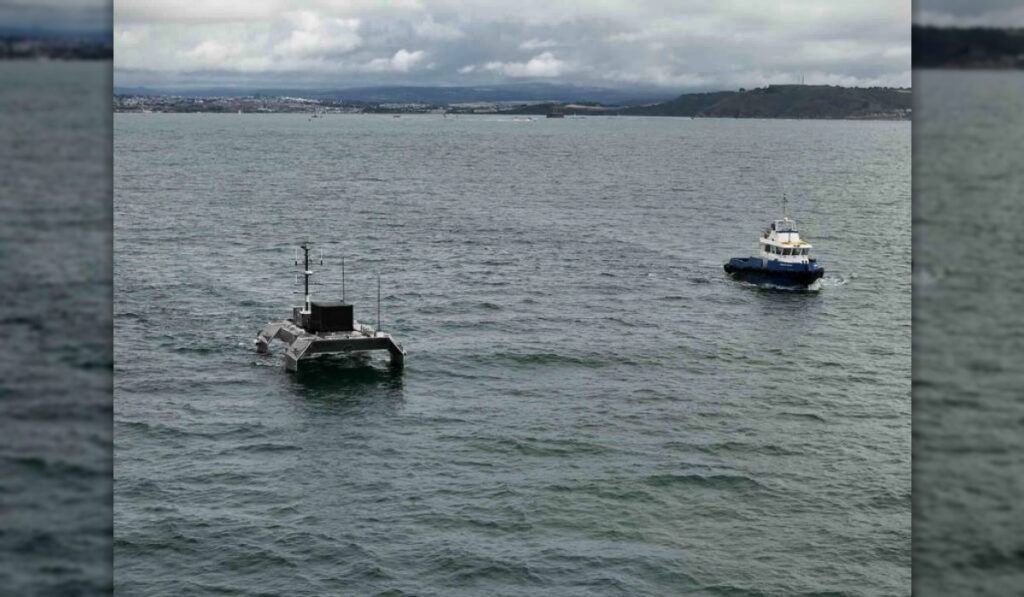
ACUA Ocean announced that its hydrogen-powered unmanned surface vessel, PIONEER, has completed what the company describes as the world’s first continuous, remote 24-hour offshore operation on zero emissions. The milestone demonstrates the growing feasibility of hydrogen propulsion for long-endurance autonomous missions and underscores how alternative fuels are moving from trials toward operational reality in the maritime domain.
According to the company, the offshore run validated key elements for persistent remote operations, including power management, data connectivity, and safe navigation over an extended period without fossil fuels. While detailed performance metrics were not disclosed, the achievement points to the maturing integration of fuel cells, onboard storage, and control systems required to keep a hydrogen platform operating reliably at sea for a full day.
For operators, a zero-emission, long-endurance USV opens up use cases that benefit from continuous presence without crew risk or fuel-related emissions. These include environmental surveys, asset and infrastructure monitoring, maritime domain awareness, and support to offshore energy projects. Unmanned craft like PIONEER can complement crewed vessels, taking on tasks that demand persistence while reducing operational exposure and enabling more frequent data collection at lower marginal cost.
Hydrogen USV Trial Signals Momentum for Maritime Decarbonization
Hydrogen’s appeal in this context is its high energy density relative to batteries and its point-of-use emissions profile, which can help reduce the carbon footprint of monitoring and support services. The PIONEER trial also contributes practical evidence to ongoing discussions about safety cases, classification, and insurance for hydrogen-powered maritime systems. Demonstrations of stable operations, remote supervision, and reliable fail-safes are crucial for building confidence among regulators and customers.
Significant challenges remain before hydrogen USVs scale broadly. The availability of low-carbon hydrogen, portside storage and handling infrastructure, and harmonized standards for bunkering and safety procedures will shape deployment timelines. Total cost of ownership will depend on fuel pricing, component durability, and maintenance models for fuel cell stacks and balance-of-plant equipment. Even so, hydrogen offers a pathway to missions where battery-electric endurance is constrained and diesel is no longer acceptable from an emissions standpoint.
While ACUA Ocean did not detail the trial’s location or specific endurance metrics beyond the 24-hour claim, the result will be closely watched by offshore wind developers, research institutes, and security agencies seeking to decarbonize routine operations. In the coming months, stakeholders will look for follow-on trials, expanded payload integrations, and steps toward repeatable deployments. If replicated at scale, hydrogen-powered USVs could help accelerate the maritime sector’s shift toward cleaner support services while enabling new models of persistent, data-rich operations at sea.


Sign up free to ask CAMAL AI for a summary, the key points or anything else about this story.
Related stories
CAMAL AI
 Financial Ports Newsletter
The maritime economy, every morning
Ports, shipping and freight markets in one short email. Free.
Financial Ports Newsletter
The maritime economy, every morning
Ports, shipping and freight markets in one short email. Free.