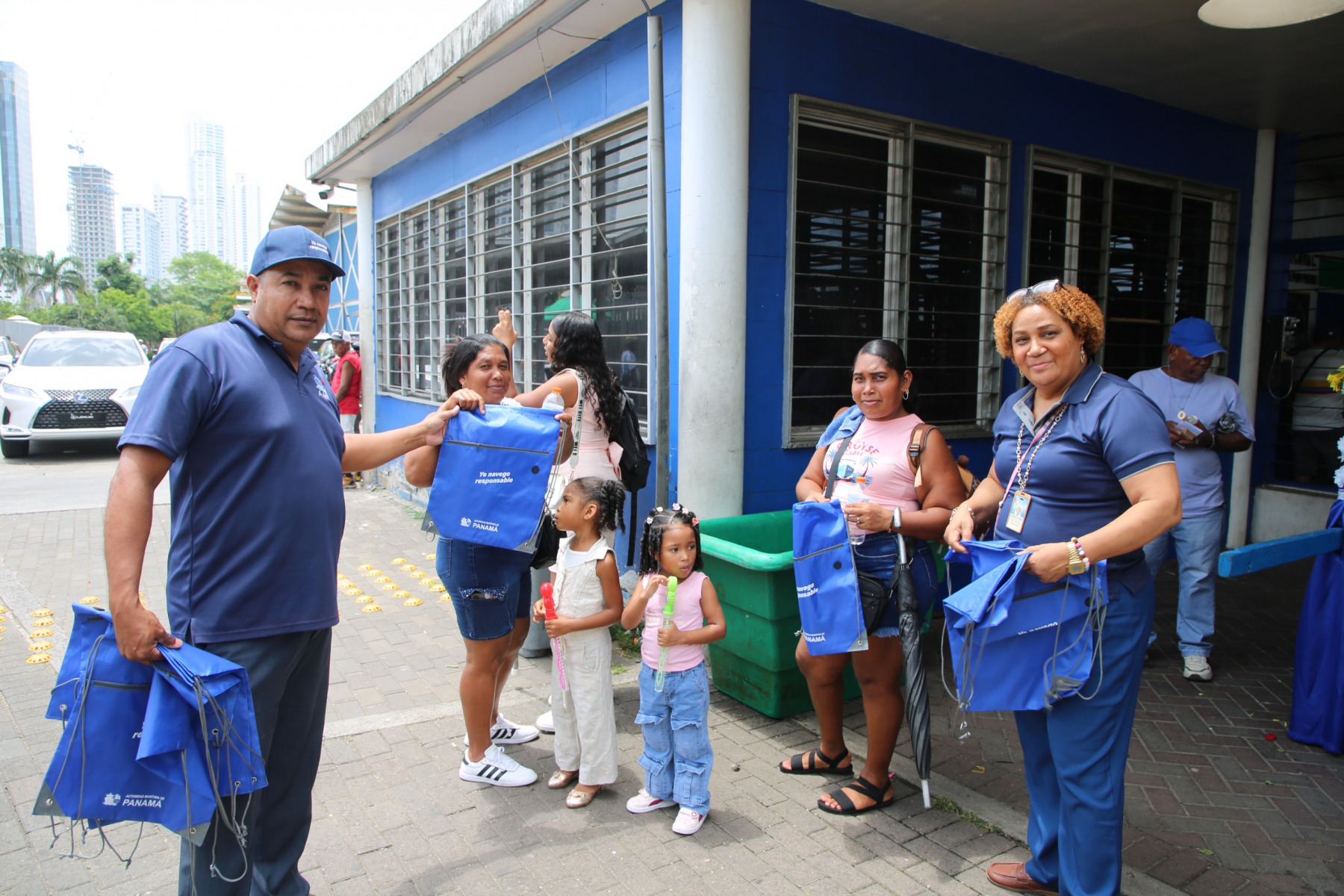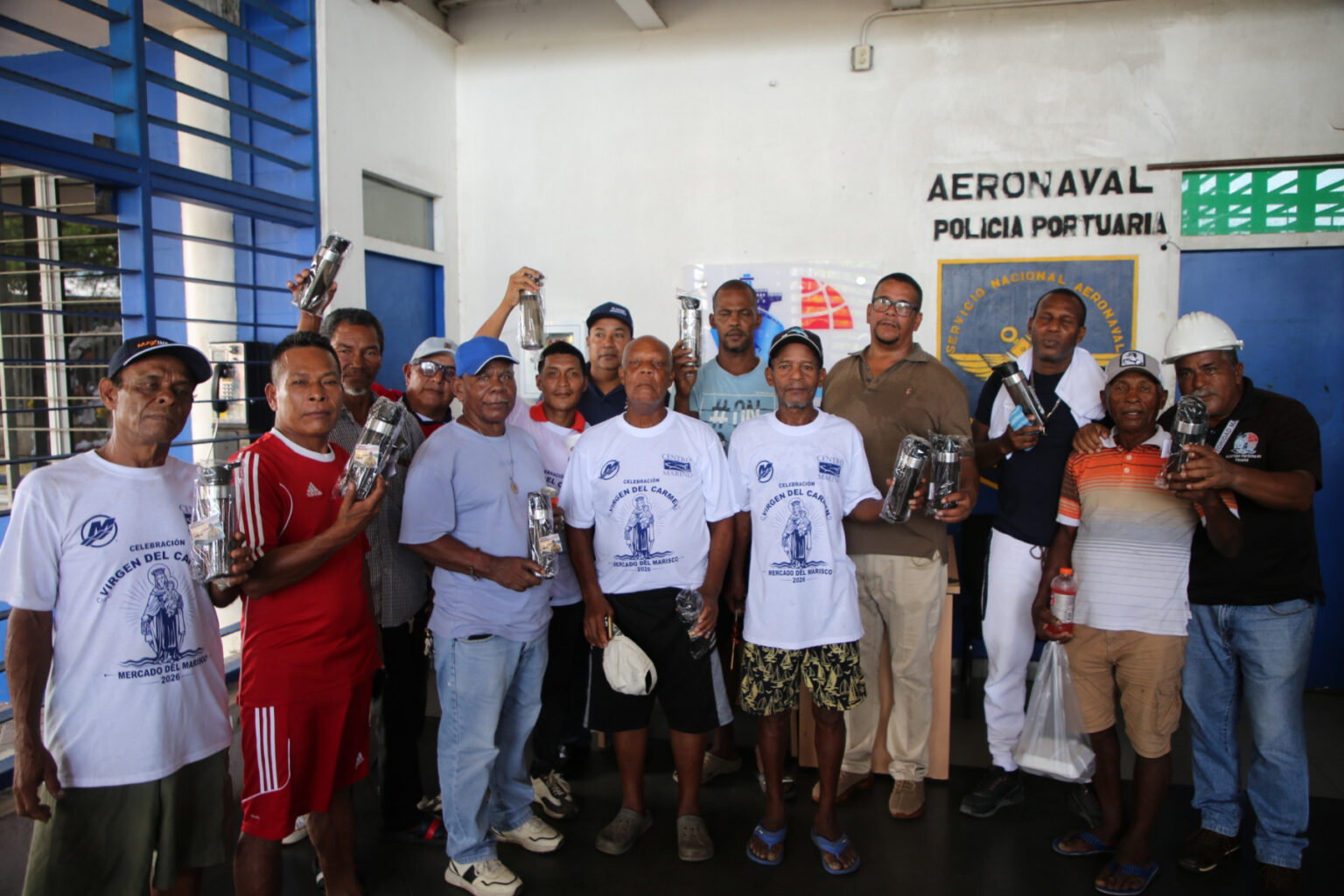
As Panama marks Seafarers’ Week, coinciding with Fisherman’s Day, the Panama Maritime Authority (AMP) has reported significant progress in supporting the country’s maritime workforce, issuing 2,319 national seafarer licensesand providing maritime safety training to more than 3,600 people during the first half of 2026.
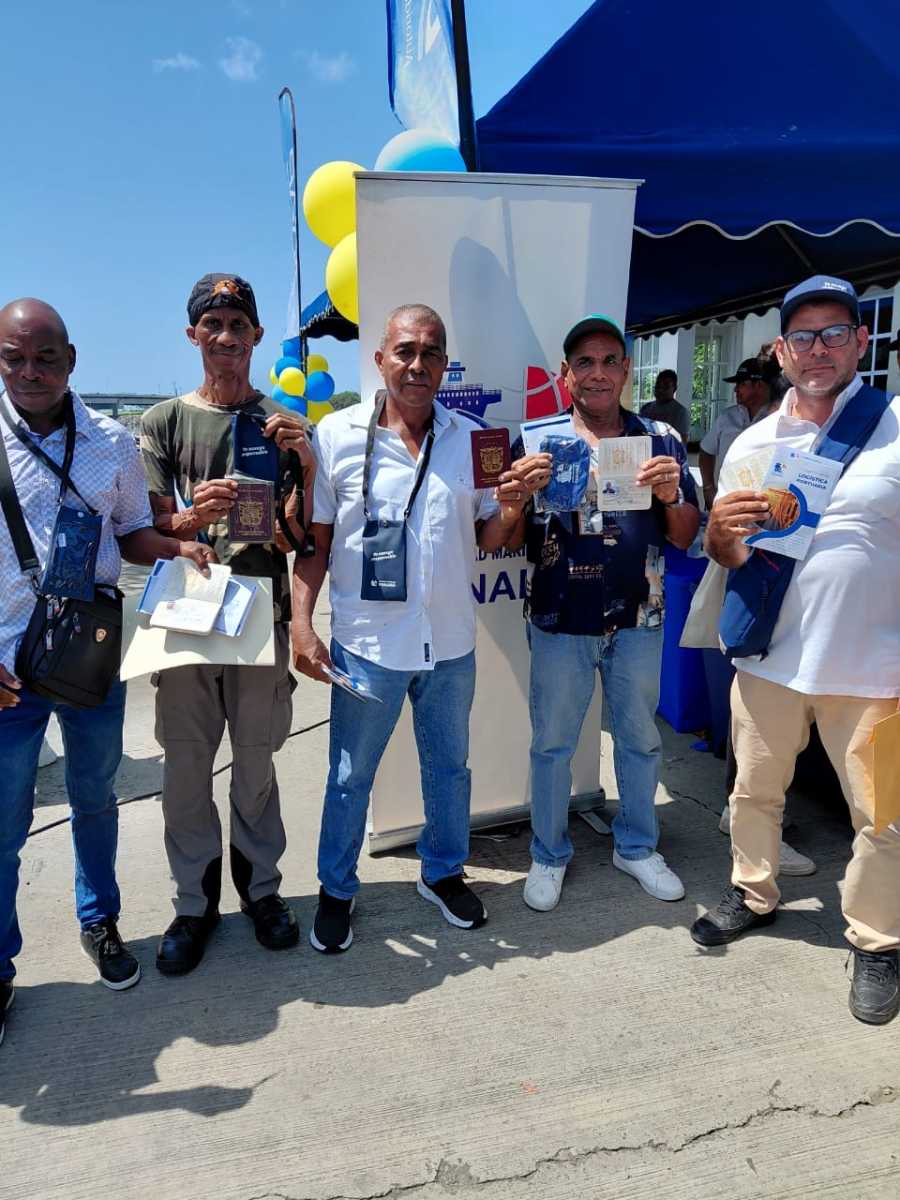 These results were achieved through the National Licensing Tours, an initiative that brings AMP services directly to coastal and island communities, making it easier for those who depend on the sea for their livelihood to obtain the documentation required to work in national waters.
Bringing Maritime Services Closer to Coastal Communities
Led by the General Directorate of Seafarers (DGGM), the program has helped decentralize maritime services by improving access to licensing while promoting safer and more orderly navigation.


Before receiving their licenses, participants complete training in sea survival, first aid, fire prevention and firefighting, maritime safety, nautical terminology, and the proper use of safety equipment. They are also assessed to certify their professional competencies.
The National Licensing Tour will continue throughout the second half of 2026, visiting communities in Chiriquí, Coclé, Herrera, Los Santos, Veraguas, Bocas del Toro, Guna Yala, Darién, Panamá, Panamá Oeste and Colón, with the aim of bringing AMP services closer to fishermen, small vessel operators and maritime workers across the country.
Supporting Seafarers Through Training and Certification
In Panama, Fisherman’s Day, established under Law No. 13 of May 5, 2016, is celebrated alongside the festivities honoring the Virgin of Carmen, the patron saint of seafarers. The occasion recognizes the contribution of those who make their living from the sea and play a vital role in the national economy, food supply and the development of the maritime sector.
Within this context, the Panama Maritime Authority reaffirmed its commitment to strengthening the capabilities of the country’s maritime workforce through training, certification and licensing programs that contribute to safer and more professional navigation.
Through these initiatives, the AMP continues to enhance navigation safety, promote the formalization of domestic maritime services, and bring government services closer to coastal communities, supporting the sustainable development of Panama’s maritime sector.