The session brought together representatives from UN Trade and Development (UNCTAD), the International Chamber of Shipping (ICS), BIMCO, the European Maritime Safety Agency (EMSA) and DP World.
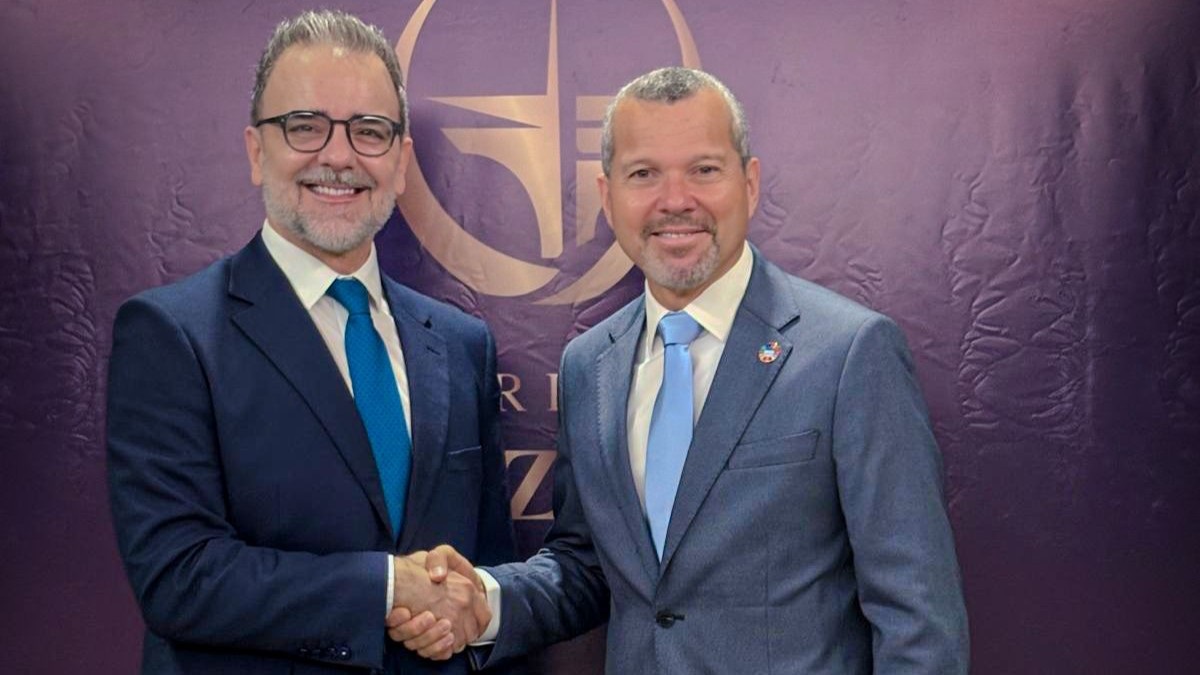
Opening the discussion, Pedro Manuel Moreno, Acting Secretary-General of UNCTAD, highlighted that maritime transport remains the backbone of the global economy, carrying more than 80% of world trade by volume. He warned that disruptions at critical maritime chokepoints can have consequences far beyond shipping, affecting energy prices, food security and inflation, with impacts that are often felt most acutely in developing economies.
Uneven resilience across the global maritime sector
A central theme of the session was that resilience is unevenly distributed. While larger economies, major carriers and advanced ports are often better equipped to absorb disruptions, smaller economies and developing-country traders face higher costs and fewer alternatives.


Speakers underscored that maritime vulnerability is not only a security issue but also a development challenge, particularly for least developed countries and small island developing States.
Participants also explored the growing importance of international cooperation in maintaining open and secure maritime trade routes. Discussions emphasized that many of the world’s most important shipping passages are irreplaceable global assets whose stability depends on effective multilateral action.
Cooperation, sustainability and the future of maritime trade
Speakers highlighted the need to strengthen maritime resilience while advancing the decarbonization and digital transformation of the maritime sector.
The session concluded with a call for closer collaboration among governments, regulators, ports, shipping companies and international organizations to ensure that maritime transport remains efficient, sustainable and accessible for all countries.
UNCTAD reaffirmed its commitment to helping countries build resilient and smart ports, assess the impacts of shipping decarbonization, and strengthen the capacity of vulnerable economies to navigate future disruptions.