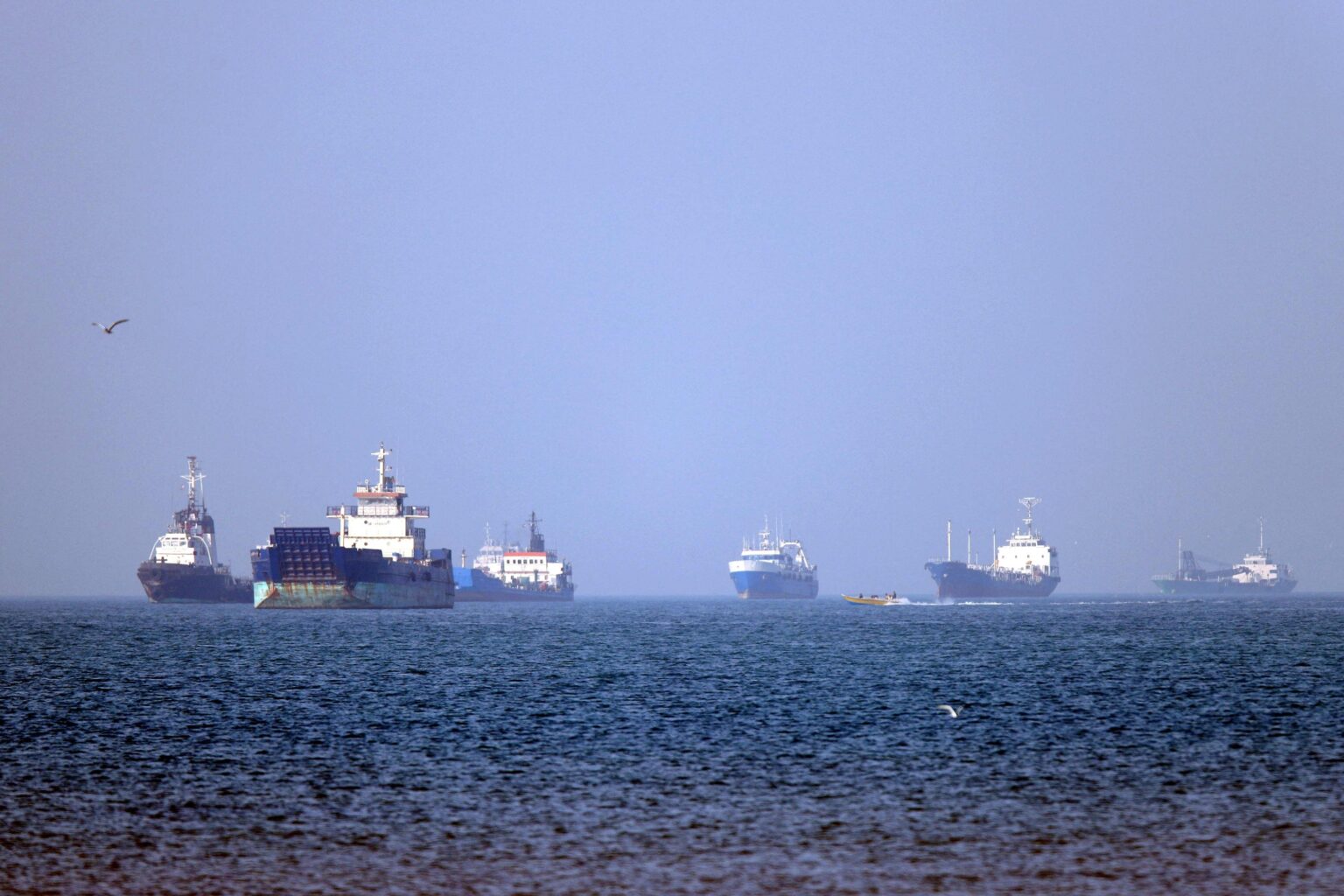
Iran has unveiled a bitcoin‑backed maritime insurance initiative for the Strait of Hormuz, branded Hormuz Safe. According to the government, the program could generate $10 billion or more in revenue, the state-linked outlet Fars reported. The brief announcement, however, did not outline when the offering would begin, how it would be administered, or what risks it would cover. In the absence of technical documentation, the scope of the proposal remains unclear, including whether it targets transits through the waterway exclusively, near‑waterway voyages, or a broader set of regional operations. The report’s framing emphasizes potential revenue and a new insurance mechanism but provides scant detail on execution.
Fars did not present a timeline for launch, a breakdown of projected earnings, or the underpinning method by which bitcoin would function in the model—whether as reserve asset, collateral, settlement medium, or another role. The announcement does not specify eligibility criteria for shipowners, charterers, or cargo types; it does not describe premium structures or policy limits; and it does not indicate claims handling, dispute resolution, or any external validation. Without clarity on coverage, exclusions, and capital adequacy, stakeholders are left to infer little beyond the branding and the revenue target cited by the government.
Key uncertainties and potential implications
The proposal’s unanswered questions are numerous. Pricing and risk selection would depend on clearly defined perils, navigation zones, and loss histories—none of which are included in the initial communication. If digital assets are central to capital or settlement, volatility management, custody, and auditing would be crucial, yet these pillars are not discussed. Cross‑border recognition and enforceability of policies are similarly unspecified. Acceptance by global counterparties typically hinges on transparent policy wordings, robust financial backing, and reliable claims processes; whether Hormuz Safe will meet those benchmarks cannot be assessed based on the information provided.


The government’s revenue projection—stated as more than $10 billion—suggests an ambition to capture meaningful scale. But without a view into assumed premium volumes, risk appetite, or expected loss ratios, that figure remains a headline without analytical context. Key operational details—governance arrangements, underwriting oversight, and any partnerships with established market entities—are absent. The program’s credibility will depend on how these building blocks are specified and documented, and whether third parties can scrutinize them. For now, the revenue claim stands alone, unaccompanied by mechanisms that would allow observers to evaluate feasibility.
Clarity on implementation is equally important. It is not clear whether policies would be denominated in fiat, digital assets, or both; whether bitcoin would serve as claims collateral; how reserves would be safeguarded; or how exchange‑rate risk would be handled. Disclosures on audit standards, regulatory permissions, and reinsurance—if any—would help determine resilience in the face of large or clustered losses. Absent those disclosures, it is difficult to gauge how the initiative would interact with existing maritime insurance practices or how it would respond to complex incidents involving multiple jurisdictions and counterparties.
Market reaction is likewise undefined. The report does not cite commitments from shipowners, brokers, or other intermediaries to purchase or place coverage, nor does it reference any pilot deployments. Without contracts, policy wordings, and capacity limits in view, potential buyers will likely withhold judgment. Indicators to watch, should additional information emerge, include the number of bound policies, stated aggregate limits, premium benchmarks relative to comparable risk covers, and the speed and transparency of any claims paid under the program.
As presented, Hormuz Safe remains a government‑announced concept as reported by Fars, without supporting documentation. The proposition centers on a novel financial backbone and a significant revenue aspiration, but the essentials of governance, product design, and operational control are not yet disclosed. Until a comprehensive term sheet, regulatory framework, and audited capital model are public, third‑party assessment will remain provisional. Additional official materials—cover wording, underwriting guidelines, financial statements, and an implementation roadmap—will be necessary to determine whether this initiative evolves into a functioning insurance solution or remains an early‑stage announcement.