

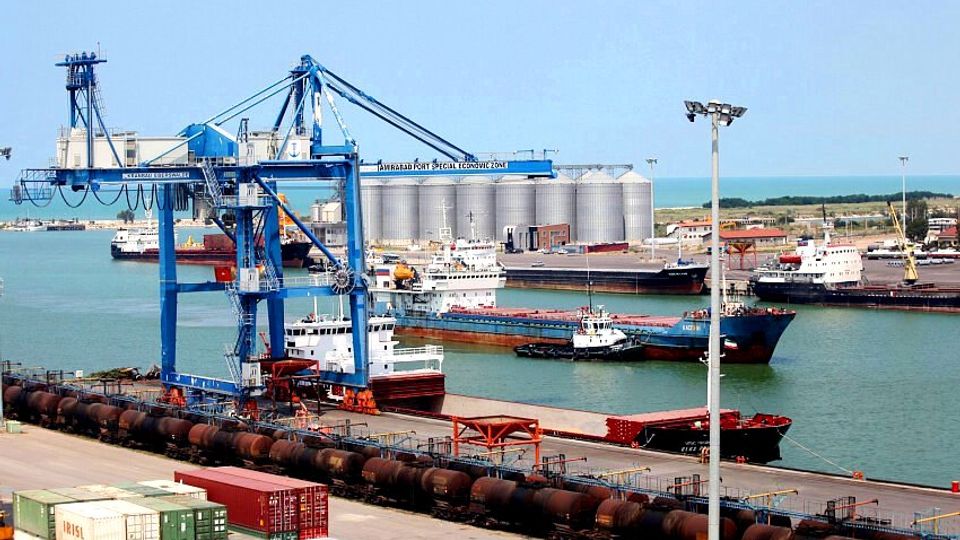
A vessel carrying wheat has arrived at Iran’s Amirabad port to boost reserves, according to a brief report published by Ports Europe. The announcement underscores the immediate objective of strengthening national wheat availability while avoiding operational disclosures. No additional information accompanied the notice, and the source did not specify the vessel’s name, flag, origin, discharge timetable, or handling arrangements at the terminal. Nevertheless, the stated purpose is explicit: the cargo is intended to reinforce domestic stocks at a time when many import-dependent markets continue to prioritize resilience in essential food commodities.
Arrival signals effort to reinforce wheat stockpiles
The report emphasizes the consignment’s role in augmenting wheat stockpiles, but refrains from any further quantification or description of the call. In the absence of granular data, the development can be read as a routine yet consequential step in sustaining availability of a staple grain. Such arrivals typically proceed under established procurement frameworks and port protocols designed to expedite safe berthing, discharge, and transfer into storage or onward distribution channels. While the brief does not cite any particular drivers or constraints, the focus on reserves aligns with widely observed strategies for insulating basic food markets from volatility.
Maintaining strategic grain inventories is a common approach used by many countries to manage seasonal consumption patterns, mitigate external shocks, and ease pressure on prices. The reference to reserves suggests an intent to provide near-term assurance of coverage while affording time for subsequent procurement decisions. Without specifying volumes or scheduling, the report leaves open questions about the scale and duration of the cushion this shipment may provide. Even so, the immediate effect—adding to buffer buffers—is clear from the stated purpose and is consistent with prudent stock management practices.


On the operational side, maritime arrivals of bulk commodities generally involve coordinated planning between the ship agent, terminal operator, port authority, and quality-control entities. Preliminary documentation, draft surveys, sampling procedures, and discharge sequencing are typical components of these workflows. Although the report offers no view into local arrangements at Amirabad, routine processes would be expected to facilitate a safe and orderly turnaround. After unloading, routing decisions—whether to silos, warehouses, or onward transport—are normally guided by national allocation priorities and the condition of existing logistics corridors.
From a market standpoint, steps to reinforce wheat inventories can help moderate domestic price pressures by signaling adequate cover to millers and other buyers. Assurance on availability tends to stabilize expectations, especially when visibility into pipeline flows is limited. The brief nature of the announcement does not indicate any deliberate market signaling, yet the practical outcome—more physical supply on hand—is typically supportive of steadier conditions. In parallel, authorities and commercial counterparties often track procurement windows to avoid bunching arrivals or creating short-term storage congestion.
International grain trade is shaped by a matrix of harvest cycles, freight costs, currency dynamics, and regulatory requirements. Against that backdrop, inbound cargoes of staples like wheat proceed when contracts, scheduling, and port capacity align. The notice provides no insight into those variables in this instance, nor does it detail quality specifications, milling characteristics, or final use. Even without those particulars, the central point stands: a wheat vessel has made port with the declared aim of reinforcing the country’s overall stocks.
The scarcity of disclosed details is not unusual for short port notes, which often prioritize immediacy over comprehensiveness. Missing data—such as tonnage, consignment origin, or discharge rate—limits external assessment of the shipment’s relative weight in national balance sheets. Still, the core information furnishes a useful marker for tracking stock trends over time, especially when similar notices can be collated to infer cadence, seasonality, and the intensity of replenishment cycles.
Looking ahead, the significance of this development will hinge on follow-up movements—whether through additional arrivals, drawdowns into milling channels, or policy communications on procurement. If subsequent calls proceed on a predictable rhythm, they could help smooth inventory profiles and reduce exposure to timing mismatches between demand and incoming flows. For now, the reported docking at Amirabad confirms that wheat imports are continuing, with the immediate, stated purpose of fortifying reserves. Absent further disclosures, observers will likely watch for corroborating data points from trade summaries, terminal activity indicators, or official statements to clarify scale and pace.

