

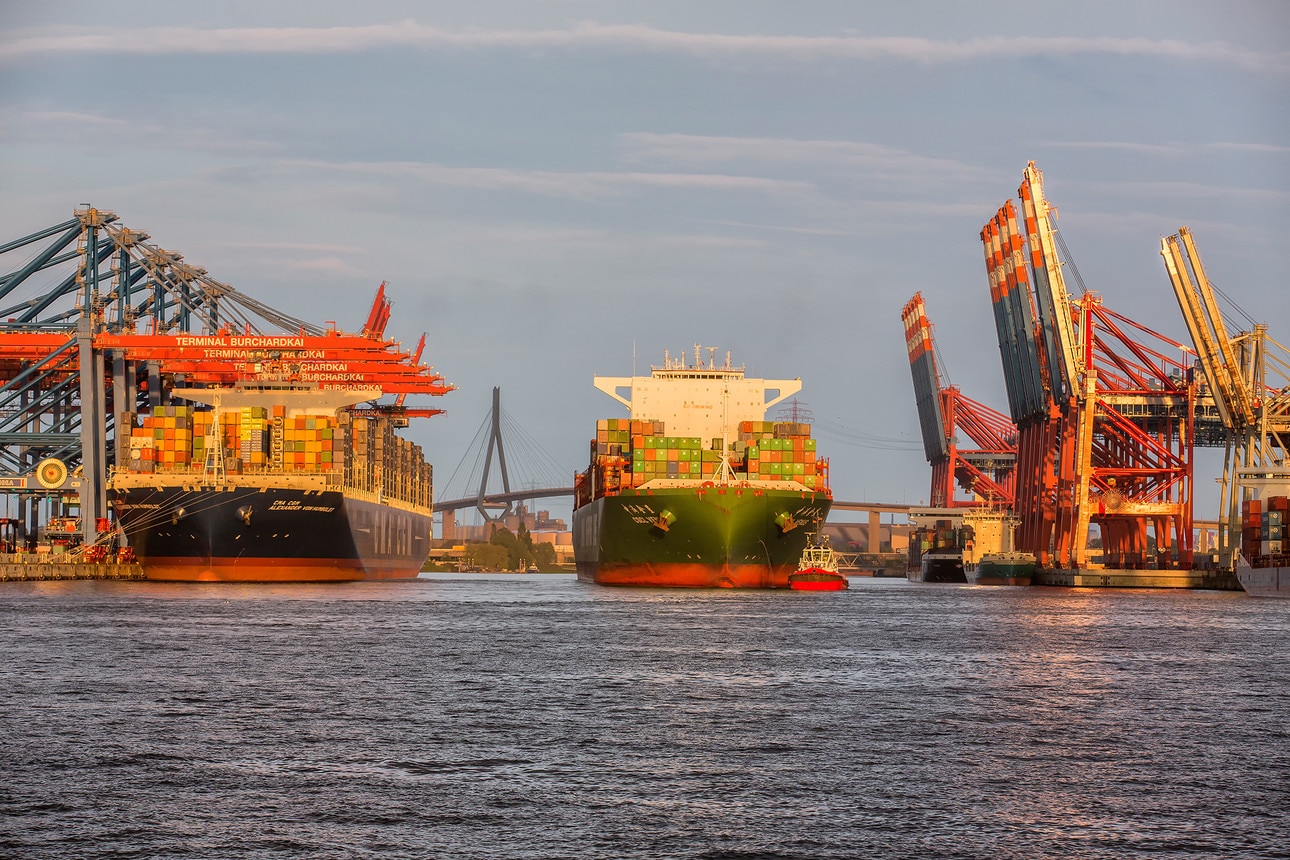
Hamburg is seeking clarity on federal port funding commitments, asking for confirmation about the scope and timing of national support related to the city’s port. The request highlights the importance of transparent commitments to guide investment decisions and operational planning. While specific figures or schedules were not disclosed, the emphasis is on certainty: understanding what resources are available, when they will arrive, and under which conditions they can be used. In practice, such clarity shapes how authorities and operators sequence projects, align procurement, and manage risks associated with large-scale maritime infrastructure.
Ports typically rely on multi-year investments that span maintenance, capacity upgrades, safety enhancements, and digital systems. Ambiguous funding can complicate those processes, especially when projects require phased procurement or regulatory approvals. Clear statements from federal authorities help public and private actors calibrate timelines, coordinate with contractors, and secure complementary financing. For a major port city, the stakes include safeguarding competitiveness, ensuring reliable services for shipping and logistics partners, and sustaining employment linked to maritime operations and ancillary industries that depend on predictable infrastructure programs.
Why clarity on funding matters
Clear federal commitments provide an anchor for long-term planning. They reduce uncertainty in contracting, help prioritize critical works, and enable efficient allocation of resources across competing needs. Without reliable guidance on timing and eligibility, public entities may postpone tenders, limit the scope of interventions, or delay decisions that hinge on matching funds. Conversely, predictable frameworks give city authorities and port stakeholders a reference point for capacity planning, resilience measures, and incremental improvements that minimize disruption while preserving service quality during construction phases.


Predictability also supports coordination across the supply chain. Terminal operators, shipping lines, logistics companies, and service providers depend on visibility into future port conditions. When funding parameters are known, stakeholders can prepare for berthing changes, yard reconfigurations, traffic management adjustments, and technology integration. That visibility strengthens early engagement with contractors and regulators, reduces the likelihood of bottlenecks during high-demand periods, and helps maintain the reliability that shippers expect for both regional and international flows.
Ambiguity carries costs. It can delay approvals, increase contingency pricing from contractors, and shift risks to later stages of implementation where they are harder to manage. In competitive maritime markets, slow or piecemeal interventions may erode service levels. By contrast, explicit federal guidance enables the city and its partners to phase works, align outages with calmer traffic windows, and advance infrastructure investment without disruption. It also helps synchronize port-side projects with linked transport corridors, ensuring that landside and waterside improvements reinforce each other.
Governance and documentation matter as much as the headline sums. Clear eligibility rules, stable co-financing ratios, and transparent reporting obligations help port authorities structure tenders and performance metrics. Written assurances, realistic timelines, and defined decision gates give investors and operators a workable roadmap. This approach supports financial predictability and encourages collaboration: public agencies can coordinate with private partners on design standards, safety protocols, and operational continuity plans that keep the port functional while works proceed.
Looking ahead, clarity on commitments would allow Hamburg to pace projects according to available resources and operational needs. It would also facilitate communication with businesses that use the port, enabling them to plan for potential reconfigurations or scheduling adjustments. The city’s request underscores a practical objective: align investment intentions with executable plans. With a common understanding of what is funded and when, authorities and industry can prioritize critical upgrades, safeguard resilience, and maintain the port’s role as a reliable node in regional and global trade networks.

