

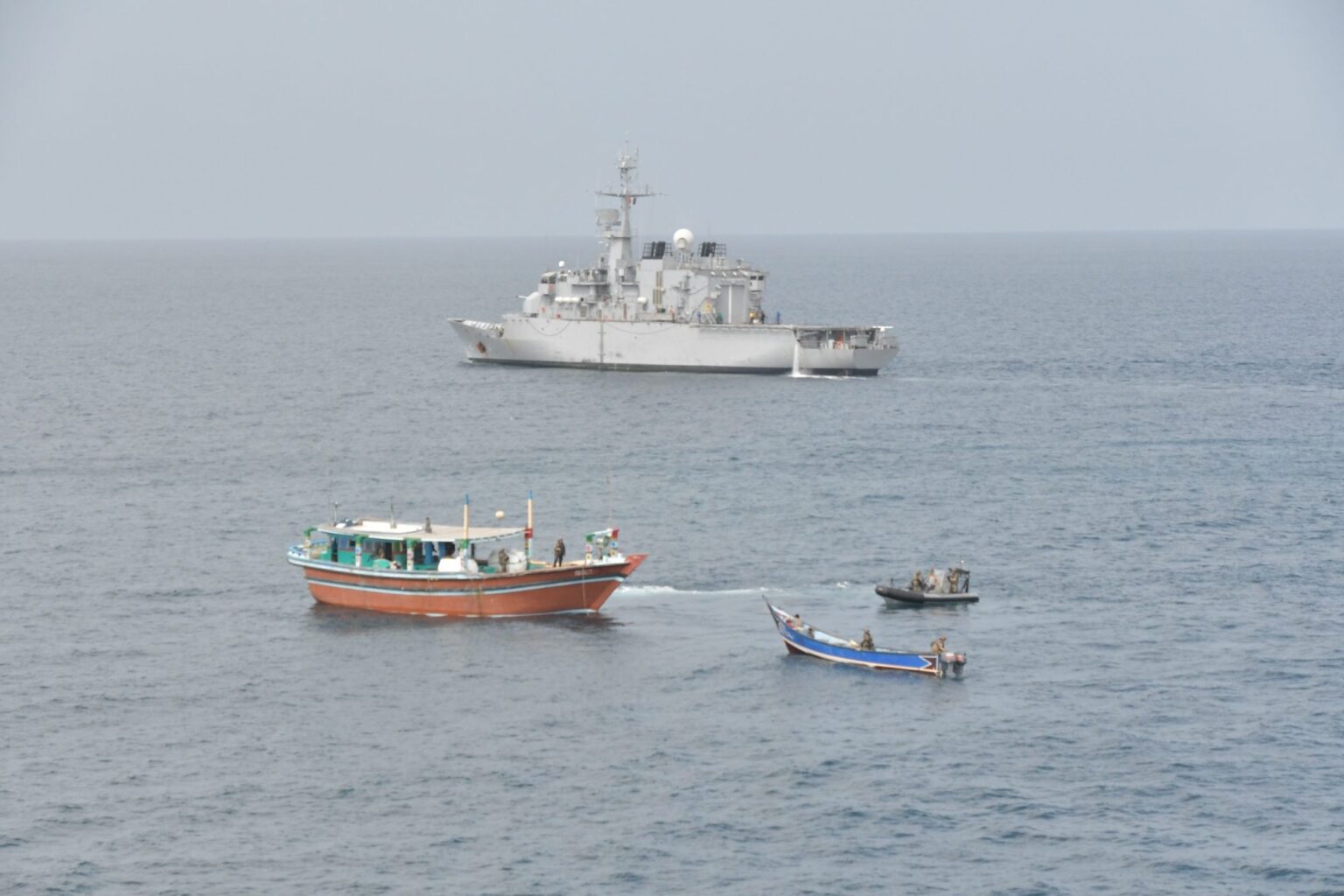
Two two French Navy frigates operating under the Saudi-led Combined Task Force 150 intercepted illicit cargo from multiple vessels in the Arabian Sea, seizing contraband valued at more than $142 million. The interdictions, carried out as part of sustained coalition activity, mark a notable disruption to maritime trafficking in the region. While precise locations, timings and ship identities were not included in the initial information, the announcement emphasizes the capacity of coordinated naval patrols to locate, stop and secure suspect consignments at sea.
According to the information released, the actions involved more than one vessel and were executed by a pair of French warships operating under the umbrella of Combined Task Force 150. The task force, led by Saudi Arabia, coordinates multinational patrols in a framework designed to maintain vigilance over key maritime routes. In this instance, the combined valuation of the contraband reflects seizures consolidated across the separate boardings.
Coalition patrols and maritime interdiction focus
Publicly available details remain limited. The report does not specify the types of narcotics seized, the flag states of the boarded vessels, the exact locations of the stops, or the timeline of the interdictions. It likewise does not identify the French frigates by name or disclose whether any arrests were made at sea. What is clear is that the multiple-vessel nature of the operation and the declared valuation indicate an effort with substantial operational reach.


The Arabian Sea regularly features in reporting on maritime drug trafficking due to the expanse of waters and the volume of commercial and non-state activity. In such environments, coalition announcements often serve to underline sustained presence and readiness, even when operational specifics are withheld for security, legal or diplomatic reasons. The emphasis here on multiple interdictions and a consolidated value communicates scope without disclosing sensitive details.
By citing a figure exceeding $142 million, the announcement conveys the scale of the disruption without venturing into commodity breakdowns or route analysis. Valuation figures in public statements typically provide an indicative measure of impact rather than a full accounting of evidentiary specifics. Regardless of the calculation method, the declared total suggests a sizable footprint distributed across more than one hull.
Maritime interdictions involving more than one vessel generally require synchronized planning, clear command-and-control structures and disciplined execution at sea. Even absent granular disclosure, the reference to a pair of French frigates operating in a coalition framework points to coordinated patrols and boarding actions grounded in established procedures for crew safety, evidence handling and custody of seized goods.
Pending further official detail, the key facts remain direct: two French frigates, acting within a Saudi-led coalition, intercepted illicit drugs across multiple vessels in the Arabian Sea and reported a combined valuation above $142 million. Any subsequent updates on the sequence of events, the identity of the vessels, the disposition of the narcotics and related legal outcomes will clarify the full extent and implications of these interdictions.

