

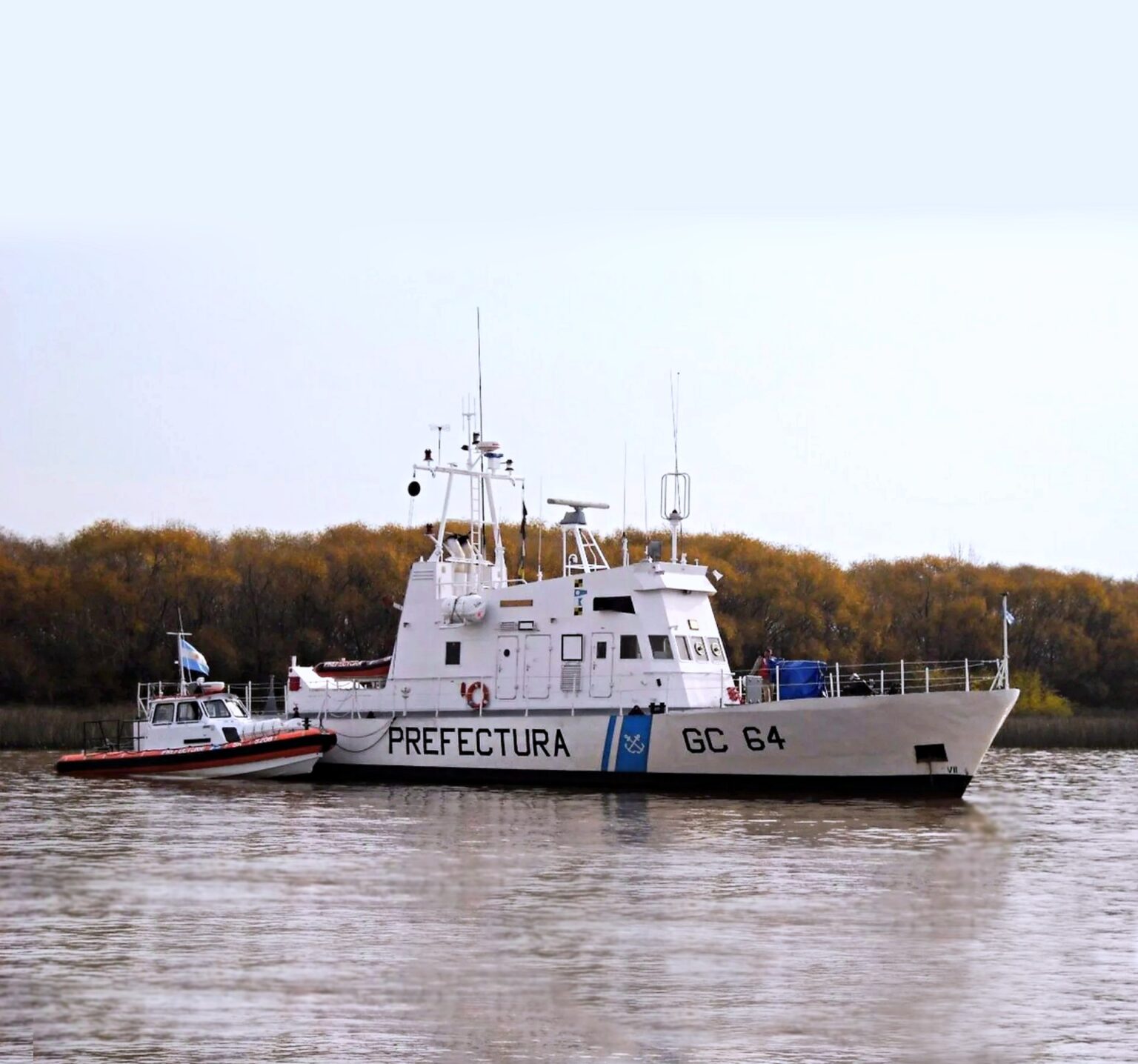
Argentina has formally launched Plan Paraná following the publication of Resolution 1307/2025 in the nation’s Official Gazette on Monday, marking the official start of what is described as the most ambitious federal initiative in recent years for comprehensive control of the Paraná waterway. Positioned as a key instrument against narcotrafficking, terrorism and smuggling across the Hidrovía, the measure sets a formal framework for a wide-ranging program of oversight along the corridor.
Resolution 1307/2025 formalizes Plan Paraná
The resolution’s appearance in the Boletín Oficial establishes the legal footing for the plan and signals executive prioritization of an integrated approach to the waterway. In the notice, Plan Paraná is characterized as a federal program of unusual breadth for recent years, centered on integral control of the Hidrovía to confront illicit flows and associated risks named in the document. The emphasis on formalization underscores the state’s intention to coordinate action in a structured manner under a single programmatic umbrella.
While the text highlights the plan’s strategic purpose, the excerpt made public does not enumerate operational mechanisms, institutional responsibilities, funding arrangements, timelines or performance indicators. It frames the program’s ambition and national scope but withholds technical specifics about implementation. As such, the resolution functions as a foundational act that codifies the plan’s existence and overarching intent, anchoring subsequent administrative steps to the formal designation of Plan Paraná.


The language used in the notice stresses the dual character of the initiative: federal in reach and integral in method. Federal status points to cross-jurisdictional applicability, while the notion of comprehensive control indicates a unified lens on monitoring and enforcement across the waterway. Together, these elements outline a structure aimed at deterring and disrupting the illicit activities explicitly cited—narcotrafficking, terrorism and smuggling—within the scope of the Paraná corridor.
By confirming the plan in the Official Gazette, the government confers normative validity and public notice, which are essential preconditions for any subsequent regulatory, administrative or operational measures that may follow under the same heading. The act of publication itself defines the baseline: Plan Paraná exists in law and policy as a discrete, named program, described as the most ambitious federal initiative of recent years for the waterway’s comprehensive control. Any further detail would need to derive from additional instruments or official communications beyond the brief reference provided.
The announcement’s direct references to the Paraná waterway—known locally as the Hidrovía—and to the three priority threats give a clear outline of intent without delving into modalities. No additional commentary accompanies the notice to clarify which agencies will lead specific tasks, the metrics for success, or the geographic phasing of actions within the corridor. In this sense, the resolution delineates the what and the why of Plan Paraná, leaving the how for subsequent disclosures.
The source notice points readers to the formalization step as the central development: the plan now has an official identity and a legal anchor. With that, the government defines a reference point for federal coordination, policy alignment and future operational design. For now, the public record confines itself to the program’s existence, ambition and focus areas. Further information, when published, will determine the practical reach of this framework and the specific mechanisms through which oversight will be exercised along the Hidrovía.
Source: Nuestro Mar.

