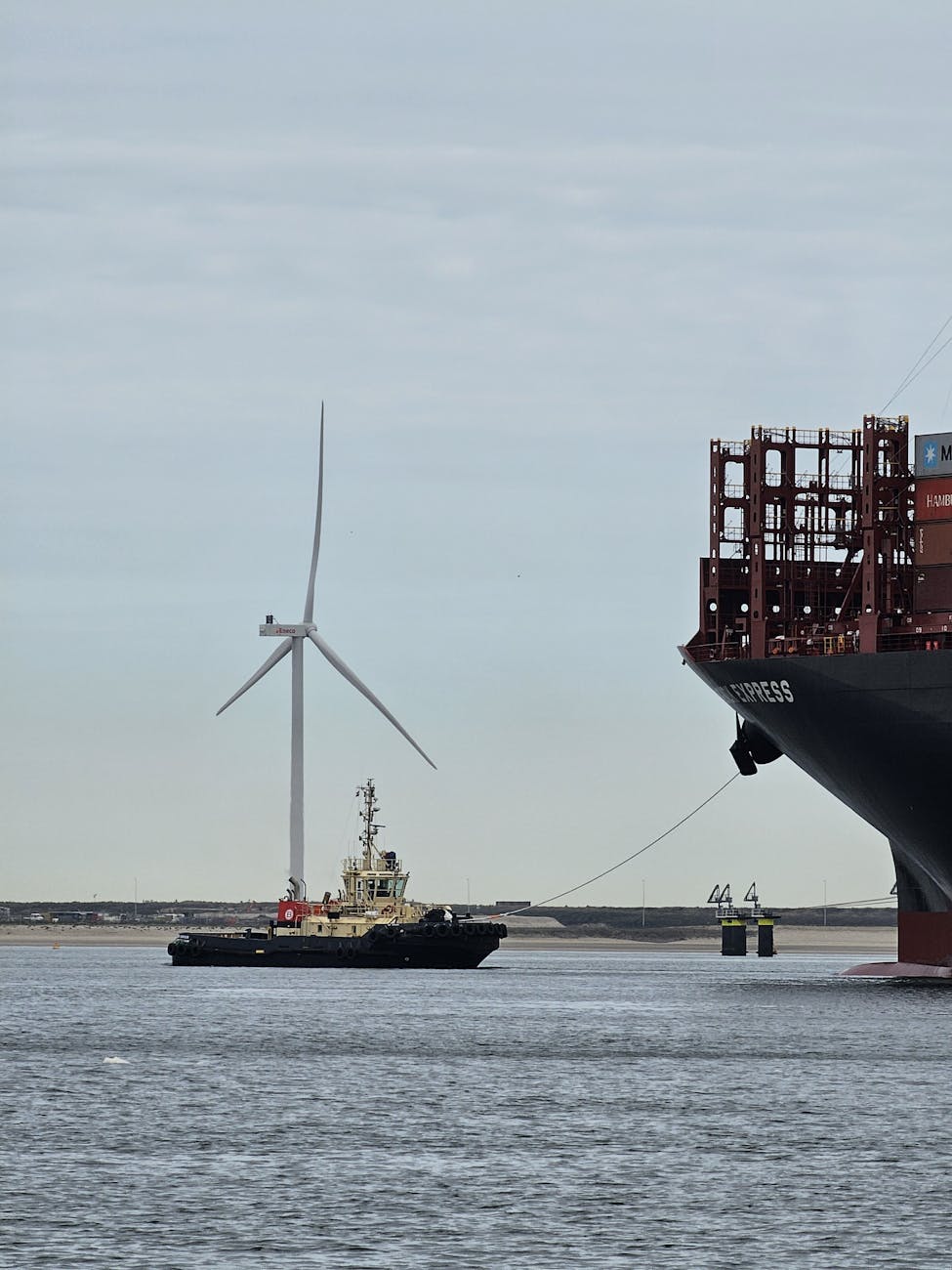
Emissions associated with activity at the Port of Rotterdam were reported to have increased by 11% in 2025, according to a brief item published by Ports Europe. The short notice did not provide further context or supporting figures, but it framed the change as a year‑on‑year rise. In the absence of underlying data, the figure should be treated as an indicative headline rather than a comprehensive inventory. Given the port’s role in regional trade and logistics, any material movement in its emissions profile, if confirmed, would be closely watched by regulators, operators and financiers.
The notice does not specify whether the metric covers direct emissions from port‑authority operations (often termed scope 1), electricity‑related scope 2 emissions, or broader scope 3 sources tied to tenants, visiting vessels and hinterland transport. It also does not state the baseline year, the calculation boundaries, or whether the 11% refers to absolute tonnes of CO2‑equivalent or an intensity metric. Without published methodology, comparisons across time or against peers carry a high risk of misinterpretation, and policy relevance remains unclear.
What the brief report does and does not say
From the available information, the only verifiable point is the claimed 11% rise in 2025. There is no breakdown by source (e.g., marine fuel use at berth, terminal equipment, building energy), no indication of seasonal effects, and no link to traffic volumes. The item does not attribute causes, announce mitigation measures, or cite verification. For readers, that means the headline should be read as a preliminary signal rather than as a trend analysis, pending publication of a complete inventory and supporting documentation.


In many ports, emissions accounting spans Scope 1, Scope 2 and the far larger and more diffuse Scope 3. Changes of this magnitude can reflect multiple factors: shifts in cargo mix, fluctuations in vessel calls and dwell time, availability of shore power, electrification progress in cargo‑handling equipment, or changes in the carbon intensity of grid electricity. Method changes can also produce apparent jumps, especially when inventories add or remove sources, adopt updated emissions factors, or refine activity data gathering.
The broader regulatory setting is tightening. The European Union is phasing maritime transport into the EU ETS from 2024 through 2027, and the FuelEU Maritime regulation begins applying from 2025 to drive lower‑carbon energy use in shipping. While these frameworks target ship emissions rather than port‑authority footprints per se, they influence operational choices at terminals and during port calls. However, an annual port emissions figure may not be directly comparable to compliance data under those policies, given differing scopes and accounting rules.
If the reported increase is confirmed by a full inventory, it would sit uneasily with decarbonisation trajectories many European logistics hubs publicly endorse. Typical levers available to ports and tenants include expanded shore‑power availability, electrification of cranes and yard equipment, efficiency upgrades in buildings, procurement of lower‑carbon electricity, and facilitation of alternative‑fuel bunkering infrastructure. The effectiveness and timing of such measures vary widely by site and investment cycle, and they often depend on multi‑year capital programmes.
For stakeholders—residents, workers, customers, and investors—the immediate need is transparency. A robust disclosure would state the boundary, scopes, gases covered, baseline, absolute versus intensity metrics, activity drivers, and any methodological changes. It would also note whether independent verification was obtained and provide downloadable time‑series data. Such clarity allows outsiders to assess whether a single‑year swing reflects structural change, data updates, or normal variability in port and shipping operations.
Ports Europe’s brief alert places a spotlight on Rotterdam’s climate footprint, but more information is necessary to understand the drivers and implications of the reported 11% rise. Further statements from the port authority or relevant Dutch institutions would help clarify the scope and basis of the number, as well as any corrective actions underway. Until those details are released, the figure should be treated cautiously: notable, but not yet a firm indicator of a sustained trend.