

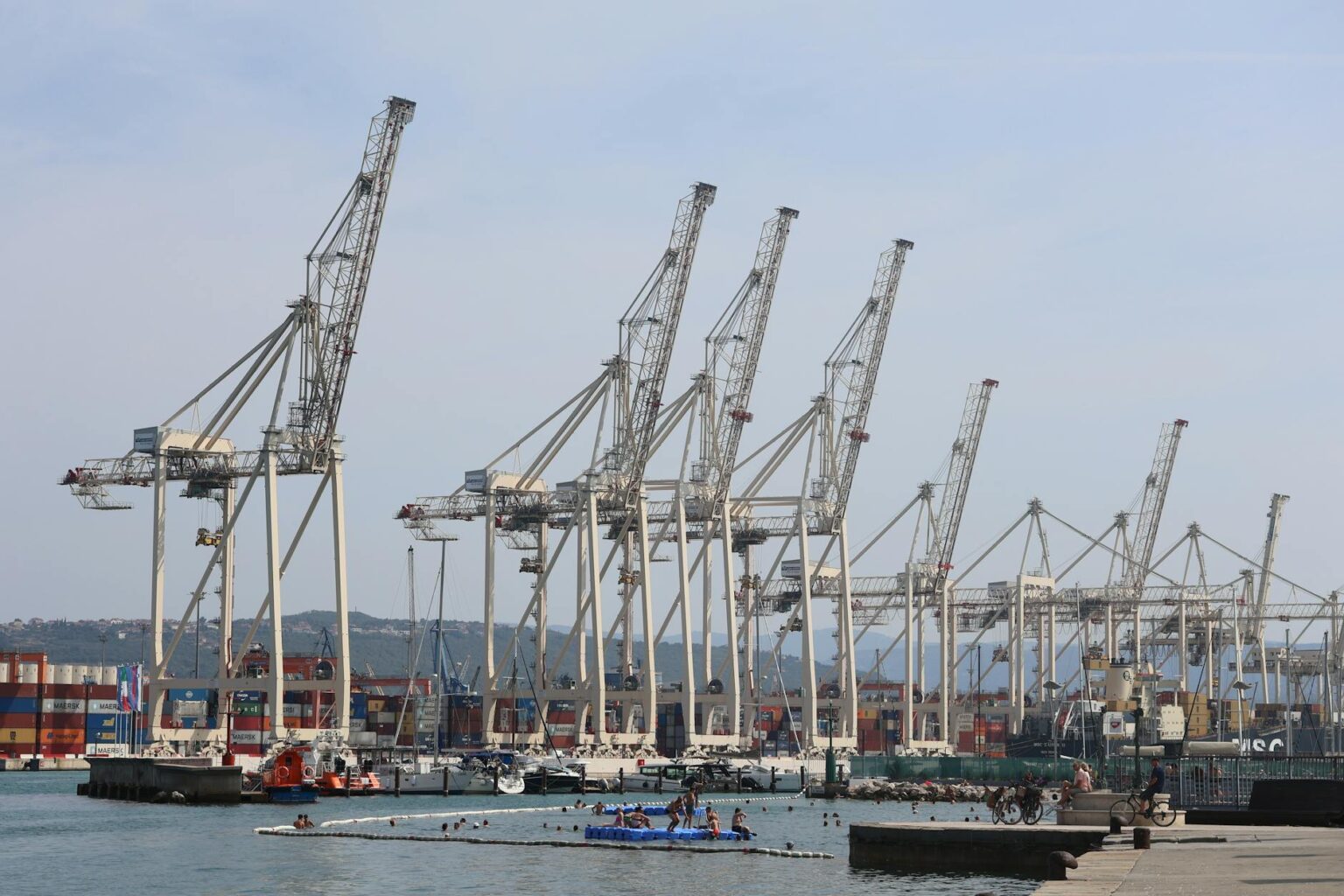
Ports Europe has published a post titled “Emerging opportunities for maritime automation.” While the content of that post is not reproduced here, the headline itself captures a theme reshaping global shipping and port operations. Maritime automation refers to technologies and processes that reduce manual intervention while preserving oversight, and its perceived opportunities span terminals, vessels, and logistics corridors. By flagging this topic, Ports Europe points to a conversation unfolding across ports, shipping lines, and supply-chain partners about how, why, and when to adopt advanced systems.
Any discussion of maritime automation typically encompasses remote equipment control, assisted navigation, yard optimization, predictive maintenance, and digital coordination with hinterland transport. In practice, these tools are introduced incrementally, often beginning with narrow use cases and expanding as reliability improves. Stakeholders tend to evaluate human–machine teaming, exception handling, and safety cases before scaling. The headline’s emphasis on “opportunities” suggests attention to benefits such as improved safety, higher efficiency, and more consistent reliability, set against the practical constraints of cost, integration, and workforce readiness.
Key questions for stakeholders
In business terms, opportunities are usually framed along operational, financial, and service dimensions. Operationally, automation can reduce variability in repetitive tasks; financially, it can reshape cost structures over asset lifecycles; and in service, it can stabilize schedules by lowering disruption frequency. Yet durable value depends on context: terminal layout, cargo mix, labor models, and regulatory permissions all shape outcomes. Moreover, the absence of common interfaces can slow interoperability, making it harder to connect new tools with legacy systems without prolonged commissioning or custom middleware.


Governance is another recurring theme. Clear ownership of technology roadmaps, risk controls, and change management helps organizations avoid fragmented pilots that never mature. Transparent decision criteria—covering safety cases, return thresholds, and service-level impacts—give executives and frontline teams a common frame for trade-offs, especially when trial results are ambiguous or uneven.
Financing pathways vary by asset and jurisdiction, but the logic is similar: align capital and operating budgets with measurable performance gains. Leaders often stage commitments, requiring proof points before scaling. They also weigh vendor lock-in risks against lifecycle support. Where possible, they explore contracting models that tie payments to outcomes. In all cases, disciplined investment hinges on traceable metrics, robust baselines, and independent verification of claimed improvements.
People remain central. Even when tasks are automated, oversight, exception response, and maintenance intensify. Effective programs typically include reskilling, procedural updates, and drills that validate new operating envelopes. Emphasis on targeted training and clear role design can reduce transition friction and support safety culture. Communication matters: crews and terminal staff need to understand not only what will change, but also why, how, and when it will change.
External requirements can define the feasible pace. Certification, pilot permissions, and port-state controls shape deployment timelines. Evolving regulation influences sensor suites, redundancy levels, and reporting obligations. Alongside compliance, cybersecurity and data governance are now inseparable from automation, given expanded connectivity and machine-to-machine interfaces. Establishing minimal viable standards for encryption, identity, and event logging reduces exposure while keeping integration manageable.
Finally, strategy should connect automation with broader environmental and service goals. When managed thoughtfully, digital scheduling and smoother equipment cycles can support fuel savings and emissions reporting, though real-world effects depend on fleet, energy sources, and operating patterns. Framing projects within credible sustainability plans, and within customer service commitments, helps prioritize what to build now versus what to prototype, monitor, or defer. In that sense, the title’s focus on emerging opportunities underscores a practical imperative: move deliberately, measure rigorously, and scale only when the evidence merits it.

